
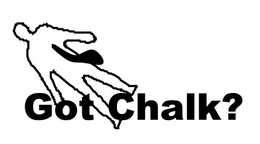
USPTO serial 78686206
GOT CHALK?
Reviewed by CopyMark Law Group
- Filing date
- Status date
- Registration date
- Jun 26, 2007
- Examiner
- POWELL, LINDA
- Law office
- PUBLICATION AND ISSUE SECTION
What this means
Status 710 means the registration was cancelled because a required Section 8 declaration of continued use was not filed within the deadline (including any grace period). The federal registration is no longer active. Evaluate filing a new application if you still use the mark, or petition if cancellation was erroneous. Consult counsel on remaining common-law rights.
Need help with GOT CHALK??
If you own this trademark, we can monitor new filings and help with USPTO deadlines. If you do not, we can file a new U.S. application.
Owner
Imprimus Forensic Services, LLC
Arlington Heights, IL
Imprimus Forensic Services, LLC
Arlington Heights, IL
Imprimus Forensic Services, LLC
Arlington Heights, IL
Goods and services
| Class | Description | Status | First use |
|---|---|---|---|
| 041 | Training and educational services, namely, classes, workshops and seminars for professional development in the field of forensic science, criminalistics and criminal investigation and the distribution of printed and other course materials in connection therewith | SECTION 8 - CANCELLED | Jun 6, 2005 |
| 045 | Consultation in the fields of forensic science, criminalistics, criminal investigation and forensic death investigation | SECTION 8 - CANCELLED | Jun 6, 2005 |
Related trademarks
CopyMark links this record to cited §2(d) serials, the owner's other marks, Nice classes, similar mark names, and recently changed USPTO applications.
- Other trademarks owned by Imprimus Forensic Services, LLC
- Other trademarks owned by Imprimus Forensic Services, LLC
- Other trademarks owned by Imprimus Forensic Services, LLC
- Other trademarks in Class 041
- Other trademarks in Class 045
- Similar marks named GOT CHALK?
- Recently changed USPTO trademarks
- Recently filed trademarks
- Browse all trademark records
Prosecution history
| Date | Code | Event | What it means |
|---|---|---|---|
| Jan 31, 2014 | C8.. | CANCELLED SEC. 8 (6-YR) | — |
| Jun 26, 2007 | R.PR | REGISTERED-PRINCIPAL REGISTER | Your trademark is registered on the Principal Register — the strongest form of federal trademark protection. You may use the ® symbol for the covered goods and services. Maintenance filings (Section 8 and renewals) are required to keep the registration alive. |
| Apr 10, 2007 | PUBO | PUBLISHED FOR OPPOSITION | Your mark was published in the USPTO Official Gazette for a 30-day opposition window. During that period, third parties who believe they would be harmed can file an opposition. If no opposition is filed, prosecution usually continues toward registration or a Notice of Allowance. |
| Mar 21, 2007 | NPUB | NOTICE OF PUBLICATION | — |
| Oct 26, 2006 | ALIE | ASSIGNED TO LIE | — |
| Oct 20, 2006 | PREV | LAW OFFICE PUBLICATION REVIEW COMPLETED | — |
| Oct 19, 2006 | ALIE | ASSIGNED TO LIE | — |
| Oct 5, 2006 | CNSA | APPROVED FOR PUB - PRINCIPAL REGISTER | — |
| Oct 5, 2006 | XAEC | EXAMINER'S AMENDMENT ENTERED | — |
| Oct 5, 2006 | GNEA | EXAMINERS AMENDMENT E-MAILED | — |
| Oct 5, 2006 | CNEA | EXAMINERS AMENDMENT -WRITTEN | — |
| Sep 21, 2006 | TEME | TEAS/EMAIL CORRESPONDENCE ENTERED | — |
| Aug 19, 2006 | CRFA | CORRESPONDENCE RECEIVED IN LAW OFFICE | — |
| Aug 19, 2006 | TROA | TEAS RESPONSE TO OFFICE ACTION RECEIVED | This event means the applicant filed a response to a USPTO Office Action — typically arguments, amendments, or evidence addressing the examiner's objections. The USPTO will review the response and either allow the mark to proceed or issue another action. |
| Feb 23, 2006 | GNRT | NON-FINAL ACTION E-MAILED | A non-final Office Action means the USPTO examining attorney has raised at least one issue with your trademark application but has not made a final decision. You usually have three months to respond with arguments, amendments, or evidence. Missing the deadline can abandon the application. |
| Feb 23, 2006 | CNRT | NON-FINAL ACTION WRITTEN | A non-final Office Action means the USPTO examining attorney has raised at least one issue with your trademark application but has not made a final decision. You usually have three months to respond with arguments, amendments, or evidence. Missing the deadline can abandon the application. |
| Feb 21, 2006 | DOCK | ASSIGNED TO EXAMINER | — |
| Aug 11, 2005 | NWAP | NEW APPLICATION ENTERED | — |