
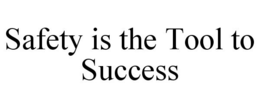
USPTO serial 78760197
SAFETY IS THE TOOL TO SUCCESS
Reviewed by CopyMark Law Group
- Filing date
- Status date
- Registration date
- May 8, 2007
- Examiner
- COLLIER, DAVID E
- Law office
- PUBLICATION AND ISSUE SECTION
What this means
Status 710 means the registration was cancelled because a required Section 8 declaration of continued use was not filed within the deadline (including any grace period). The federal registration is no longer active. Evaluate filing a new application if you still use the mark, or petition if cancellation was erroneous. Consult counsel on remaining common-law rights.
Need help with SAFETY IS THE TOOL TO SUCCESS?
If you own this trademark, we can monitor new filings and help with USPTO deadlines. If you do not, we can file a new U.S. application.
Owner
NEW IBERIA, LA
NEW IBERIA, LA
NEW IBERIA, LA
Attorney of record
The USPTO lists this attorney as the applicant's representative for correspondence on this application.
Ted M. Anthony
Ted M. Anthony Babineaux, Poche', Anthony & Slavich, LLCP.O. Box 52169Lafayette, LA 70505UNITED STATESGoods and services
| Class | Description | Status | First use |
|---|---|---|---|
| 037 | Oil well casing, tubing, and drill pipe installation | SECTION 8 - CANCELLED | Mar 15, 2005 |
Related trademarks
CopyMark links this record to cited §2(d) serials, the owner's other marks, Nice classes, similar mark names, and recently changed USPTO applications.
Prosecution history
| Date | Code | Event | What it means |
|---|---|---|---|
| Dec 13, 2013 | C8.. | CANCELLED SEC. 8 (6-YR) | — |
| Mar 17, 2010 | CORV | REVIEW OF CORRESPONDENCE COMPLETE | — |
| Mar 11, 2010 | APRE | CASE ASSIGNED TO POST REGISTRATION PARALEGAL | — |
| Oct 15, 2009 | TCCA | TEAS CHANGE OF CORRESPONDENCE RECEIVED | — |
| Oct 5, 2009 | PAPER RECEIVED | — | |
| May 8, 2007 | R.PR | REGISTERED-PRINCIPAL REGISTER | Your trademark is registered on the Principal Register — the strongest form of federal trademark protection. You may use the ® symbol for the covered goods and services. Maintenance filings (Section 8 and renewals) are required to keep the registration alive. |
| Feb 20, 2007 | PUBO | PUBLISHED FOR OPPOSITION | Your mark was published in the USPTO Official Gazette for a 30-day opposition window. During that period, third parties who believe they would be harmed can file an opposition. If no opposition is filed, prosecution usually continues toward registration or a Notice of Allowance. |
| Jan 31, 2007 | NPUB | NOTICE OF PUBLICATION | — |
| Jan 4, 2007 | PREV | LAW OFFICE PUBLICATION REVIEW COMPLETED | — |
| Jan 3, 2007 | CNSA | APPROVED FOR PUB - PRINCIPAL REGISTER | — |
| Dec 23, 2006 | TEME | TEAS/EMAIL CORRESPONDENCE ENTERED | — |
| Dec 23, 2006 | ALIE | ASSIGNED TO LIE | — |
| Nov 24, 2006 | CRFA | CORRESPONDENCE RECEIVED IN LAW OFFICE | — |
| Nov 24, 2006 | TROA | TEAS RESPONSE TO OFFICE ACTION RECEIVED | This event means the applicant filed a response to a USPTO Office Action — typically arguments, amendments, or evidence addressing the examiner's objections. The USPTO will review the response and either allow the mark to proceed or issue another action. |
| May 24, 2006 | GNRT | NON-FINAL ACTION E-MAILED | A non-final Office Action means the USPTO examining attorney has raised at least one issue with your trademark application but has not made a final decision. You usually have three months to respond with arguments, amendments, or evidence. Missing the deadline can abandon the application. |
| May 24, 2006 | CNRT | NON-FINAL ACTION WRITTEN | A non-final Office Action means the USPTO examining attorney has raised at least one issue with your trademark application but has not made a final decision. You usually have three months to respond with arguments, amendments, or evidence. Missing the deadline can abandon the application. |
| May 22, 2006 | DOCK | ASSIGNED TO EXAMINER | — |
| Nov 29, 2005 | NWAP | NEW APPLICATION ENTERED | — |