
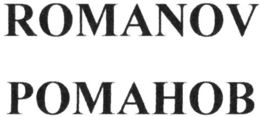
USPTO serial 79280360
ROMANOV
Reviewed by CopyMark Law Group
- Filing date
- Status date
- Registration date
- —
- Examiner
- HA, PAULINE T.
- Law office
- TMO LAW OFFICE 115 - EXAMINING ATTORNEY ASSIGNED
What this means
These status codes mean the trademark application is abandoned and no longer pending. Common reasons include missing an Office Action response (600), filing without a valid basis (602), express abandonment by the applicant (604), or failure to respond to an examiner's inquiry (618). Revival may be possible in limited circumstances. If abandonment was unintentional, consult counsel about a petition to revive. Otherwise file a new application if protection is still needed.
Need help with ROMANOV?
If you own this trademark, we can monitor new filings and help with USPTO deadlines. If you do not, we can file a new U.S. application.
Owner
Goods and services
| Class | Description | Status | First use |
|---|---|---|---|
| 032 | Beer; ginger beer; malt beer; preparations for making liqueurs (Terms too vague in the opinion of the International Bureau Rule 13 (2) (b) of the Common Regulations); beer wort; malt wort; extracts of hops for making beer | ACTIVE | — |
| 033 | Aperitifs; arrack [arak]; brandy; wine; sparkling wine; piquette; whisky; vodka; kirsch; gin; cocktails; curacao; liqueurs; alcoholic beverages, except beer; pre-mixed alcoholic beverages, other than beer-based; alcoholic beverages containing fruit; distilled beverages; peppermint liqueurs; bitters; rum; sake; perry; cider; rice alcohol; alcoholic extracts; fruit extracts, alcoholic; alcoholic essences | ACTIVE | — |
Related trademarks
CopyMark links this record to cited §2(d) serials, the owner's other marks, Nice classes, similar mark names, and recently changed USPTO applications.
Prosecution history
| Date | Code | Event | What it means |
|---|---|---|---|
| Apr 16, 2026 | NREP | NEW REPRESENTATIVE AT IB RECEIVED | — |
| Nov 4, 2021 | FINT | FINAL DECISION TRANSACTION PROCESSED BY IB | — |
| Oct 13, 2021 | FICS | FINAL DISPOSITION NOTICE SENT TO IB | — |
| Oct 13, 2021 | FICR | FINAL DISPOSITION NOTICE CREATED, TO BE SENT TO IB | — |
| Aug 29, 2021 | OPNX | NOTIFICATION OF POSSIBLE OPPOSITION - PROCESSED BY IB | — |
| Aug 11, 2021 | OPNS | NOTIFICATION OF POSSIBLE OPPOSITION SENT TO IB | — |
| Aug 11, 2021 | OPNR | NOTIFICATION OF POSSIBLE OPPOSITION CREATED, TO BE SENT TO IB | — |
| Oct 13, 2020 | MAB2 | ABANDONMENT NOTICE MAILED - FAILURE TO RESPOND | The trademark application was abandoned because a required response or document was not filed by the deadline — usually a missed Office Action response. The application is dead unless a petition to revive is granted within a limited time. |
| Oct 13, 2020 | ABN2 | ABANDONMENT - FAILURE TO RESPOND OR LATE RESPONSE | The trademark application was abandoned because a required response or document was not filed by the deadline — usually a missed Office Action response. The application is dead unless a petition to revive is granted within a limited time. |
| Apr 18, 2020 | RFNT | REFUSAL PROCESSED BY IB | — |
| Apr 2, 2020 | RFCS | NON-FINAL ACTION MAILED - REFUSAL SENT TO IB | — |
| Apr 1, 2020 | RFRR | REFUSAL PROCESSED BY MPU | — |
| Mar 14, 2020 | MAFR | APPLICATION FILING RECEIPT MAILED | — |
| Mar 13, 2020 | RFCR | NON-FINAL ACTION (IB REFUSAL) PREPARED FOR REVIEW | — |
| Mar 12, 2020 | CNRT | NON-FINAL ACTION WRITTEN | A non-final Office Action means the USPTO examining attorney has raised at least one issue with your trademark application but has not made a final decision. You usually have three months to respond with arguments, amendments, or evidence. Missing the deadline can abandon the application. |
| Mar 10, 2020 | DOCK | ASSIGNED TO EXAMINER | — |
| Mar 10, 2020 | NWOS | NEW APPLICATION OFFICE SUPPLIED DATA ENTERED | — |
| Mar 5, 2020 | REPR | SN ASSIGNED FOR SECT 66A APPL FROM IB | — |