
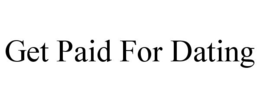
USPTO serial 85281320
GET PAID FOR DATING
Reviewed by CopyMark Law Group
- Filing date
- Status date
- Registration date
- Jul 10, 2012
- Examiner
- LOVELACE, JAMES B
- Law office
- PUBLICATION AND ISSUE SECTION
What this means
Status 710 means the registration was cancelled because a required Section 8 declaration of continued use was not filed within the deadline (including any grace period). The federal registration is no longer active. Evaluate filing a new application if you still use the mark, or petition if cancellation was erroneous. Consult counsel on remaining common-law rights.
Need help with GET PAID FOR DATING?
If you own this trademark, we can monitor new filings and help with USPTO deadlines. If you do not, we can file a new U.S. application.
Owner
Attorney of record
The USPTO lists this attorney as the applicant's representative for correspondence on this application.
Michael D. Downs
Michael D. Downs Fincham Downs LLC90 Grove St., Suite 205Docketing: TrademarkRidgefield, CT 06877Goods and services
| Class | Description | Status | First use |
|---|---|---|---|
| 045 | Internet-based dating, social introduction and social networking services | SECTION 8 - CANCELLED | Nov 7, 2011 |
Related trademarks
CopyMark links this record to cited §2(d) serials, the owner's other marks, Nice classes, similar mark names, and recently changed USPTO applications.
- Other trademarks owned by Infostream Group, Inc.
- Other trademarks owned by Infostream Group, Inc.
- Other trademarks owned by CLOVER8 INVESTMENTS PTE. LTD..
- Other trademarks in Class 045
- Similar marks named GET PAID FOR DATING
- Recently changed USPTO trademarks
- Recently filed trademarks
- Browse all trademark records
Prosecution history
| Date | Code | Event | What it means |
|---|---|---|---|
| Feb 15, 2019 | C8.. | CANCELLED SEC. 8 (6-YR) | — |
| Aug 25, 2017 | ARAA | ATTORNEY/DOM.REP.REVOKED AND/OR APPOINTED | This event means the applicant filed a response to a USPTO Office Action — typically arguments, amendments, or evidence addressing the examiner's objections. The USPTO will review the response and either allow the mark to proceed or issue another action. |
| Aug 25, 2017 | REAP | TEAS REVOKE/APP/CHANGE ADDR OF ATTY/DOM REP RECEIVED | — |
| Jul 10, 2017 | REM1 | COURTESY REMINDER - SEC. 8 (6-YR) E-MAILED | — |
| Mar 18, 2015 | ASGN | AUTOMATIC UPDATE OF ASSIGNMENT OF OWNERSHIP | — |
| Jan 6, 2014 | NOSU | NOTICE OF SUIT | — |
| Jul 10, 2012 | R.SR | REGISTERED-SUPPLEMENTAL REGISTER | Your mark is registered on the Supplemental Register, which is available for marks that are not yet distinctive enough for the Principal Register but can still identify a source. Protection is more limited than Principal Register registration but can later support a Principal Register application. |
| Jun 4, 2012 | PREV | LAW OFFICE PUBLICATION REVIEW COMPLETED | — |
| May 25, 2012 | CNTA | APPROVED FOR REGISTRATION SUPPLEMENTAL REGISTER | — |
| May 24, 2012 | TEME | TEAS/EMAIL CORRESPONDENCE ENTERED | — |
| May 24, 2012 | CRFA | CORRESPONDENCE RECEIVED IN LAW OFFICE | — |
| May 18, 2012 | ALIE | ASSIGNED TO LIE | — |
| May 8, 2012 | TROA | TEAS RESPONSE TO OFFICE ACTION RECEIVED | This event means the applicant filed a response to a USPTO Office Action — typically arguments, amendments, or evidence addressing the examiner's objections. The USPTO will review the response and either allow the mark to proceed or issue another action. |
| Nov 9, 2011 | AAUA | NOTICE OF ACCEPTANCE OF AMENDMENT TO ALLEGE USE E-MAILED | — |
| Nov 8, 2011 | GNRN | NOTIFICATION OF NON-FINAL ACTION E-MAILED | A non-final Office Action means the USPTO examining attorney has raised at least one issue with your trademark application but has not made a final decision. You usually have three months to respond with arguments, amendments, or evidence. Missing the deadline can abandon the application. |
| Nov 8, 2011 | GNRT | NON-FINAL ACTION E-MAILED | A non-final Office Action means the USPTO examining attorney has raised at least one issue with your trademark application but has not made a final decision. You usually have three months to respond with arguments, amendments, or evidence. Missing the deadline can abandon the application. |
| Nov 8, 2011 | CNRT | NON-FINAL ACTION WRITTEN | A non-final Office Action means the USPTO examining attorney has raised at least one issue with your trademark application but has not made a final decision. You usually have three months to respond with arguments, amendments, or evidence. Missing the deadline can abandon the application. |
| Nov 8, 2011 | IUAA | USE AMENDMENT ACCEPTED | — |
| Nov 8, 2011 | TEME | TEAS/EMAIL CORRESPONDENCE ENTERED | — |
| Nov 8, 2011 | AUPC | AMENDMENT TO USE PROCESSING COMPLETE | — |
| Nov 8, 2011 | IUAF | USE AMENDMENT FILED | — |
| Nov 7, 2011 | CRFA | CORRESPONDENCE RECEIVED IN LAW OFFICE | — |
| Nov 7, 2011 | TROA | TEAS RESPONSE TO OFFICE ACTION RECEIVED | This event means the applicant filed a response to a USPTO Office Action — typically arguments, amendments, or evidence addressing the examiner's objections. The USPTO will review the response and either allow the mark to proceed or issue another action. |
| Nov 7, 2011 | EAAU | TEAS AMENDMENT OF USE RECEIVED | — |
| May 5, 2011 | GNRN | NOTIFICATION OF NON-FINAL ACTION E-MAILED | A non-final Office Action means the USPTO examining attorney has raised at least one issue with your trademark application but has not made a final decision. You usually have three months to respond with arguments, amendments, or evidence. Missing the deadline can abandon the application. |
| May 5, 2011 | GNRT | NON-FINAL ACTION E-MAILED | A non-final Office Action means the USPTO examining attorney has raised at least one issue with your trademark application but has not made a final decision. You usually have three months to respond with arguments, amendments, or evidence. Missing the deadline can abandon the application. |
| May 5, 2011 | CNRT | NON-FINAL ACTION WRITTEN | A non-final Office Action means the USPTO examining attorney has raised at least one issue with your trademark application but has not made a final decision. You usually have three months to respond with arguments, amendments, or evidence. Missing the deadline can abandon the application. |
| May 4, 2011 | DOCK | ASSIGNED TO EXAMINER | — |
| Apr 4, 2011 | NWOS | NEW APPLICATION OFFICE SUPPLIED DATA ENTERED | — |
| Apr 3, 2011 | NWAP | NEW APPLICATION ENTERED | — |