
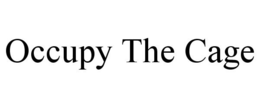
USPTO serial 85486618
OCCUPY THE CAGE
Reviewed by CopyMark Law Group
- Filing date
- Status date
- Registration date
- —
- Examiner
- HELLMAN, ELI J
- Law office
- TMO LAW OFFICE 112 - EXAMINING ATTORNEY ASSIGNED
What this means
These status codes mean the trademark application is abandoned and no longer pending. Common reasons include missing an Office Action response (600), filing without a valid basis (602), express abandonment by the applicant (604), or failure to respond to an examiner's inquiry (618). Revival may be possible in limited circumstances. If abandonment was unintentional, consult counsel about a petition to revive. Otherwise file a new application if protection is still needed.
Need help with OCCUPY THE CAGE?
If you own this trademark, we can monitor new filings and help with USPTO deadlines. If you do not, we can file a new U.S. application.
Owner
Portland, ME
Goods and services
| Class | Description | Status | First use |
|---|---|---|---|
| 025 | A-shirts; Adult novelty gag clothing item, namely, socks; Ankle socks; Anklets; Anti-perspirant socks; Apparel for dancers, namely, tee shirts, sweatshirts, pants, leggings, shorts and jackets; Athletic apparel, namely, shirts, pants, jackets, footwear, hats and caps, athletic uniforms; Baseball caps and hats; Bermuda shorts; Bib shorts; Board shorts; Body shirts; Boots for sport; Boxer shorts; Boxing shorts; Button down shirts; Button-front aloha shirts; Camouflage shirts; Camp shirts; Chef's hats; Children's and infant's apparel, namely, jumpers, overall sleepwear, pajamas, rompers and one-piece garments; Children's and infants' apparel treated with fire and heat retardants, namely, jumpers, overall sleepwear, pajamas, rompers and one-piece garments; Cleats for attachment to sports shoes; Clothing for athletic use, namely, padded shirts; Clothing for athletic use, namely, padded shorts; Clothing for babies, toddlers and children, treated with fire and heat retardants, namely, pajamas, jackets, shirts, pants, jumpers; Clothing shields, namely, pads applied to the underarms of shirts, blouses and sweaters; Collared shirts; Combative sports uniforms; Cycling shorts; Dress shirts; Fishing shirts; Fleece shorts; Footwear not for sports; Fur hats; Gift packages sold as a unit consisting primarily of a sweatshirt and also including a photo frame, a coffee mug, and a tote bag; Gloves for apparel; Golf pants, shirts and skirts; Golf shirts; Golf shorts; Gym shorts; Hat bands; Hats; Hats for infants, babies, toddlers and children; Hooded sweat shirts; Hooded sweatshirts; Hunting shirts; Jackets and socks; Japanese style socks (tabi covers); Japanese style socks (tabi); Knit shirts; Leather hats; Leather shirts; Long-sleeved shirts; Men's dress socks; Men's socks; Moisture-wicking sports bras; Moisture-wicking sports pants; Moisture-wicking sports shirts; Night shirts; Non-slip socks; Open-necked shirts; Over shirts; Panties, shorts and briefs; Paper hats for use as clothing items; Paper shoes used when going through metal detectors to keep feet and socks clean; Party hats; Perspiration absorbent strap to be used in the bill of a hat; Pinnies in the nature of scrimmage vests for use in sports; Pique shirts; Polo shirts; Rain hats; Rugby shirts; Rugby shorts; Scientific and technological apparel, namely, shirts, pants, jackets, footwear, hats and caps, uniforms; Sedge hats (suge-gasa); Shirt fronts; Shirt inserts, namely, dickies; Shirt yokes; Shirts; Shirts and short-sleeved shirts; Shirts and slips; Shirts for infants, babies, toddlers and children; Shirts for suits; Short overcoat for kimono (haori); Short petticoats; Short sets; Short trousers; Short-sleeved or long-sleeved t-shirts; Short-sleeved shirts; Shorts; Sleep shirts; Sleeves worn separate and apart from blouses, shirts and other tops; Sliding shorts; Slipper socks; Small hats; Snap crotch shirts for infants and toddlers; Sock suspenders; Socks; Socks and stockings; Sport coats; Sport shirts; Sport stockings; Sports bra; Sports bras; Sports caps and hats; Sports jackets; Sports jerseys; Sports jerseys and breeches for sports; Sports over uniforms; Sports over uniforms; Sports pants; Sports shirts; Sports shirts with short sleeves; Sports vests; Sweat shirts; Sweat shorts; Sweatshirts; T-shirts; Tee shirts; Thermal socks; Toboggan hats, pants and caps; Triathlon clothing, namely, triathlon tights, triathlon shorts, triathlon singlets, triathlon shirts, triathlon suits; Turtle neck shirts; Underwear, namely, boy shorts; Viscous gel polymer sold as a component of finished custom cushioned footwear for non-orthopedic purposes and apparel; Walking shorts; Water socks; Wearable garments and clothing, namely, shirts; Wind shirts; Women's clothing, namely, shirts, dresses, skirts, blouses; Women's hats and hoods; Woollen socks; Woolly hats; Yoga shirts | ACTIVE | — |
Related trademarks
CopyMark links this record to cited §2(d) serials, the owner's other marks, Nice classes, similar mark names, and recently changed USPTO applications.
Prosecution history
| Date | Code | Event | What it means |
|---|---|---|---|
| Dec 19, 2013 | MAB2 | ABANDONMENT NOTICE MAILED - FAILURE TO RESPOND | The trademark application was abandoned because a required response or document was not filed by the deadline — usually a missed Office Action response. The application is dead unless a petition to revive is granted within a limited time. |
| Dec 19, 2013 | ABN2 | ABANDONMENT - FAILURE TO RESPOND OR LATE RESPONSE | The trademark application was abandoned because a required response or document was not filed by the deadline — usually a missed Office Action response. The application is dead unless a petition to revive is granted within a limited time. |
| Jul 3, 2013 | DOCK | ASSIGNED TO EXAMINER | — |
| May 23, 2013 | GNFN | NOTIFICATION OF FINAL REFUSAL EMAILED | — |
| May 23, 2013 | GNFR | FINAL REFUSAL E-MAILED | A final Office Action (final refusal) means the examining attorney is maintaining at least one refusal and your options are narrower. You can file a response addressing the refusal, appeal to the Trademark Trial and Appeal Board, or let the application abandon. |
| May 23, 2013 | CNFR | FINAL REFUSAL WRITTEN | A final Office Action (final refusal) means the examining attorney is maintaining at least one refusal and your options are narrower. You can file a response addressing the refusal, appeal to the Trademark Trial and Appeal Board, or let the application abandon. |
| Apr 10, 2013 | RCCK | SUSPENSION CHECKED - TO ATTORNEY FOR ACTION | — |
| Apr 6, 2013 | ALIE | ASSIGNED TO LIE | — |
| Oct 6, 2012 | GNS3 | NOTIFICATION OF LETTER OF SUSPENSION E-MAILED | — |
| Oct 6, 2012 | GNSL | LETTER OF SUSPENSION E-MAILED | — |
| Oct 6, 2012 | CNSL | SUSPENSION LETTER WRITTEN | — |
| Sep 10, 2012 | TEME | TEAS/EMAIL CORRESPONDENCE ENTERED | — |
| Sep 9, 2012 | CRFA | CORRESPONDENCE RECEIVED IN LAW OFFICE | — |
| Sep 9, 2012 | TROA | TEAS RESPONSE TO OFFICE ACTION RECEIVED | This event means the applicant filed a response to a USPTO Office Action — typically arguments, amendments, or evidence addressing the examiner's objections. The USPTO will review the response and either allow the mark to proceed or issue another action. |
| Mar 8, 2012 | GNRN | NOTIFICATION OF NON-FINAL ACTION E-MAILED | A non-final Office Action means the USPTO examining attorney has raised at least one issue with your trademark application but has not made a final decision. You usually have three months to respond with arguments, amendments, or evidence. Missing the deadline can abandon the application. |
| Mar 8, 2012 | GNRT | NON-FINAL ACTION E-MAILED | A non-final Office Action means the USPTO examining attorney has raised at least one issue with your trademark application but has not made a final decision. You usually have three months to respond with arguments, amendments, or evidence. Missing the deadline can abandon the application. |
| Mar 8, 2012 | CNRT | NON-FINAL ACTION WRITTEN | A non-final Office Action means the USPTO examining attorney has raised at least one issue with your trademark application but has not made a final decision. You usually have three months to respond with arguments, amendments, or evidence. Missing the deadline can abandon the application. |
| Feb 28, 2012 | DOCK | ASSIGNED TO EXAMINER | — |
| Jan 12, 2012 | DOCK | ASSIGNED TO EXAMINER | — |
| Dec 8, 2011 | NWOS | NEW APPLICATION OFFICE SUPPLIED DATA ENTERED | — |
| Dec 7, 2011 | NWAP | NEW APPLICATION ENTERED | — |