
USPTO serial 85759512
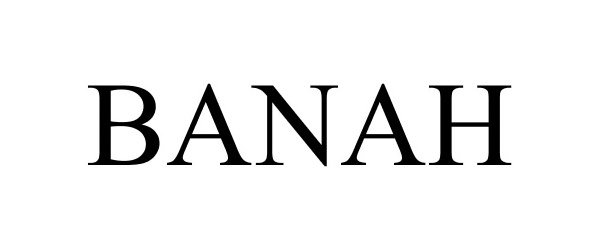
BANAH
Reviewed by CopyMark Law Group
- Filing date
- Status date
- Registration date
- —
- Examiner
- LATTUCA, FRANK J
- Law office
- TMEG LAW OFFICE 109 - EXAMINING ATTORNEY ASSIGNED
What this means
These status codes mean the trademark application is abandoned and no longer pending. Common reasons include missing an Office Action response (600), filing without a valid basis (602), express abandonment by the applicant (604), or failure to respond to an examiner's inquiry (618). Revival may be possible in limited circumstances. If abandonment was unintentional, consult counsel about a petition to revive. Otherwise file a new application if protection is still needed.
Need help with BANAH?
If you own this trademark, we can monitor new filings and help with USPTO deadlines. If you do not, we can file a new U.S. application.
Owner
Goods and services
| Class | Description | Status | First use |
|---|---|---|---|
| 030 | Artificial coffee; Artificial coffee and tea; Artificial rice; Baked goods, namely, crumbles; Baking powder; Baking powders; Baking soda; Baking spices; Baking-powder; Barley flour; Beverages made of coffee; Beverages made of tea; Beverages with a coffee base; Bicarbonate of soda for cooking purposes; Bonbons made of sugar; Brown sugar; Buckwheat flour; Caffeine-free coffee; Cakes of sugar-bounded millet or popped rice (okoshi); Candy with cocoa; Chicory and chicory mixtures, all for use as substitutes for coffee; Chicory based coffee substitute; Chinese rice noodles (bifun, uncooked); Chocolate bark containing ground coffee beans; Chocolate covered cocoa nibs; Chocolate covered roasted coffee beans; Cocoa; Cocoa; Cocoa beverages with milk; Cocoa extracts for human consumption; Cocoa mixes; Cocoa powder; Cocoa spreads; Cocoa-based beverages; Cocoa-based condiments and seasonings for food and drink; Cocoa-based ingredient in confectionery products; Coffee; Coffee; Coffee extracts; Coffee extracts for use as substitutes for coffee; Coffee flavored syrup used in making food beverages; Coffee pods; Coffee substitutes; Coffee substitutes; Coffee-based beverage containing milk; Coffee-based beverages; Combination meals consisting primarily of pasta or rice-based entrees and soup or salad for consumption on or off the premises; Confectionery chips for baking; Cooked dish consisting primarily of sliced oval rice cakes with broth (tteokguk); Cooked rice; Cooked rice mixed with vegetables and beef (bibimbap); Cooking powder, namely, bacon-flavored seasoning powder; Corn flour; Cream of tartar for cooking and baking purposes; Cube sugar; Curry powder; Dough-enrobed foods consisting of a dough-based wrapper with fillings consisting primarily of pasta and rice; Dried cooked-rice; Dried sugared cakes of rice flour (rakugan); Edible cupcake liners that bake onto the cupcake itself; Enriched rice; Fermenting malted rice (Koji); Flour; Flour for food; Flour for making dumplings of glutinous rice; Flour-based chips; Flour-based gnocchi; Frozen flour-free foods, namely, pancakes, crepes, sandwich wraps, muffins and griddle cake sandwiches which are protein-enriched; Frozen flour-free foods, namely, waffles, pancakes, crepes, sandwich wraps, muffins and griddle cake sandwiches which are protein-enriched; Garlic powder; Ginger; Glutinous pounded rice cake coated with bean powder; Granulated sugar; Green coffee; Ground coffee beans; Half-moon-shaped cake of rice containing sweet or semi-sweet fillings; Honey; Honey; Honey and treacle; Honey buns; Honey substitutes; Hot pepper powder; Husked rice; Ice cream powder; Iced coffee; Instant coffee; Jambalaya, namely, a spicy Creole rice dish with a mixture of fish and meat such as shrimp, chicken, ham and spicy sausage; Japanese arrowroot powder (kudzu-ko, for food); Japanese horseradish powder spice (wasabi powder); Japanese pepper powder spice (sansho powder); Korean-style dried seaweed rolls containing cooked rice (gimbap); Masala powder and spices; Masala rice for biryani; Mixes for making baking batters; Mixes in the nature of concentrates, syrups or powders used in the preparation of tea based beverages; Mixtures of coffee and chicory; Mustard powder; Natural brown sugar; Packaged meal kits consisting primarily of pasta or rice; Pellet-shaped rice crackers (arare); Pepper powder; Potato flour; Pounded rice cakes (mochi); Powdered garlic; Powdered starch syrup; Powdered sugar; Prepared cocoa and cocoa-based beverages; Prepared coffee and coffee-based beverages; Protein reduced and gluten free flour and bread; Puffed rice; Pulse flour for food; Rice; Rice and seasoning mix combined in unitary packages; Rice cakes; Rice crackers (senbei); Rice dumplings dressed with sweet bean jam (ankoro); Rice flour; Rice noodles; Rice pudding; Rice salad; Rice starch flour; Rice, seasonings, and flavorings combined in unitary packages; Rice-based pudding dessert; Rice-based pudding dessert (arroz con leche); Rice-based snack foods; Roasted coffee beans; Seasoned rice cakes with fish, meat, chicken and vegetable toppings; Snack food chews made primarily from brown rice syrup; Soft pin-rolled cakes of pounded rice (gyuhi); Soya flour; Stabilized rice bran; Steamed rice; Sugar; Sugar and sugar substitutes; Sugar substitutes; Sugar-coated coffee beans; Sweet pounded rice cakes (mochi-gashi); Sweet rice with nuts and jujubes (yaksik); Syrups for making tea; Tapioca flour; Tea; Tea of parched powder of barley with husk (mugi-cha); Tea of salty kelp powder (kombu-cha); Tea-based beverages; Tea-based beverages with fruit flavoring; Teff flour; Theine-free tea sweetened with sweeteners; Treacle; Unrefined sugar, namely, evaporated sugar cane juice; Wheat flour; Wheat starch flour; White sugar; Wholemeal rice; Yeast; Yeast extracts; Yeast extracts for food; Yeast extracts for human consumption; Yeast for use as an ingredient in foods; Yeast in pill form, not for medical use; Yeast powder; Yeast, baking powder; Yeast, baking powder and flavourings | ACTIVE | — |
Related trademarks
CopyMark links this record to cited §2(d) serials, the owner's other marks, Nice classes, similar mark names, and recently changed USPTO applications.
Prosecution history
| Date | Code | Event | What it means |
|---|---|---|---|
| Oct 22, 2013 | MAB2 | ABANDONMENT NOTICE MAILED - FAILURE TO RESPOND | The trademark application was abandoned because a required response or document was not filed by the deadline — usually a missed Office Action response. The application is dead unless a petition to revive is granted within a limited time. |
| Oct 22, 2013 | ABN2 | ABANDONMENT - FAILURE TO RESPOND OR LATE RESPONSE | The trademark application was abandoned because a required response or document was not filed by the deadline — usually a missed Office Action response. The application is dead unless a petition to revive is granted within a limited time. |
| Mar 26, 2013 | GNRN | NOTIFICATION OF NON-FINAL ACTION E-MAILED | A non-final Office Action means the USPTO examining attorney has raised at least one issue with your trademark application but has not made a final decision. You usually have three months to respond with arguments, amendments, or evidence. Missing the deadline can abandon the application. |
| Mar 26, 2013 | GNRT | NON-FINAL ACTION E-MAILED | A non-final Office Action means the USPTO examining attorney has raised at least one issue with your trademark application but has not made a final decision. You usually have three months to respond with arguments, amendments, or evidence. Missing the deadline can abandon the application. |
| Mar 26, 2013 | CNRT | NON-FINAL ACTION WRITTEN | A non-final Office Action means the USPTO examining attorney has raised at least one issue with your trademark application but has not made a final decision. You usually have three months to respond with arguments, amendments, or evidence. Missing the deadline can abandon the application. |
| Feb 25, 2013 | GNRN | NOTIFICATION OF NON-FINAL ACTION E-MAILED | A non-final Office Action means the USPTO examining attorney has raised at least one issue with your trademark application but has not made a final decision. You usually have three months to respond with arguments, amendments, or evidence. Missing the deadline can abandon the application. |
| Feb 25, 2013 | GNRT | NON-FINAL ACTION E-MAILED | A non-final Office Action means the USPTO examining attorney has raised at least one issue with your trademark application but has not made a final decision. You usually have three months to respond with arguments, amendments, or evidence. Missing the deadline can abandon the application. |
| Feb 25, 2013 | CNRT | NON-FINAL ACTION WRITTEN | A non-final Office Action means the USPTO examining attorney has raised at least one issue with your trademark application but has not made a final decision. You usually have three months to respond with arguments, amendments, or evidence. Missing the deadline can abandon the application. |
| Feb 20, 2013 | DOCK | ASSIGNED TO EXAMINER | — |
| Oct 25, 2012 | NWOS | NEW APPLICATION OFFICE SUPPLIED DATA ENTERED | — |
| Oct 25, 2012 | NWAP | NEW APPLICATION ENTERED | — |