
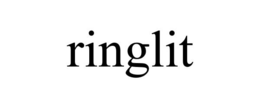
USPTO serial 85910321
RINGLIT
Reviewed by CopyMark Law Group
- Filing date
- Status date
- Registration date
- —
- Examiner
- FIORELLI, JOANNA ELISA-HOLGUI
- Law office
- TMEG LAW OFFICE 105 - EXAMINING ATTORNEY ASSIGNED
What this means
These status codes mean the trademark application is abandoned and no longer pending. Common reasons include missing an Office Action response (600), filing without a valid basis (602), express abandonment by the applicant (604), or failure to respond to an examiner's inquiry (618). Revival may be possible in limited circumstances. If abandonment was unintentional, consult counsel about a petition to revive. Otherwise file a new application if protection is still needed.
Need help with RINGLIT?
If you own this trademark, we can monitor new filings and help with USPTO deadlines. If you do not, we can file a new U.S. application.
Owner
Goods and services
| Class | Description | Status | First use |
|---|---|---|---|
| 009 | Accessories for lighting fixtures, namely, plastic pole with electrical source in protective cover; An optical metrology inspection system comprised of a light source, one or more cameras and sensors in communication with computer software and hardware; Apparatus that employs light concentrating optics to concentrate sunlight and to aid in the conversion of sunlight into electric and thermal energy; Art kit for use in assembly of art installation that creates a kaleidoscope painting of moving patterns and changing colors consisting of a custom designed incandescent/LED lamp with interchangeable colored glass filtered lenses, glass crystals with custom designed sterling silver bails, plastic mounting hooks, filaments for suspending crystals, a remote control for light color and dimming preferences, micro-fiber cleaning cloths, and instructions; Automotive, industrial, construction, locomotive, aviation, navigation and marine safety-warning lights, namely, strobes, rotating lights and bar lights; Ballasts for halogen lights; Batteries for lighting; Collapsible light directors and diffusers for use with photographic lighting equipment for professional and high-end photography; Computer cursor control devices, namely, light pens; Counterfeit money detection light to be used in retail stores and banks; Discharge tubes, electric, other than for lighting; Electric audio playback units with lights and speakers; Electric light dimmers; Electric light switches; Electric warning light systems; Electric warning lights; Electrical lights for use in professional quality photography; Electronic alert system for scuba divers comprised primarily of computer software, electric transducer, vibrating motor, antenna and lights for the purpose of requesting the dive partner's attention through vibration, sound and illumination; Electronic control gears (ECGs) for LED lamps and light fixtures; Electronic regulating and control devices for the operation of light emitting diodes; Electronic signaling mechanism, namely, a train control system used in the railway industry for detecting and controlling trains, ground faults, broken rails, power failures, track switches and lights; Emergency warning lights; Fiber optic light and image conduits; Flashing and steady safety lights; Flashing safety light in the form of a pendant for providing visibility for people, inanimate articles, or animals; Flashing safety lights; Flashlights with light emitting diodes for use in photography; Fluorescent lamp ballast for electric lights; Golf club swing aids, namely target laser and lights; Hand-held security device that disables assailants using flashing light emitting diodes; Helmet safety lights; Home and office automation systems comprising wireless and wired controllers, controlled devices, and software for lighting, HVAC, security, safety and other home and office monitoring and control applications; Humidity sensor with integrated digital and analog output circuitry used in automotive, appliance and light industrial applications to sense both relative humidity and temperature environmental conditions; Indicator lights; Indicator lights for circuit boards; Laboratory instruments, namely, radiation devices in the nature of ultraviolet, visible, or infra-red light boxes for the analysis of bodily fluids; LED and HID light controls; Lidar; Light conducting filaments; Light diodes; Light directors and photographic lighting tents, all for use with photographic lighting equipment for professional and high-end photography; Light emitting diode (LED) displays; Light emitting diodes (LEDs); Light pens; Light switches; Light systems comprising light sensors and switches; Light-conducting filaments; Light-dependent resistors; Lighting ballasts; Lighting control apparatus; Lighting control panels; Lighting control software for use in commercial and industrial facilities; Lighting controls; Lighting devices for taking pictures; Lighting panel control boards; Lights for use on video cameras; Luminous variable/dynamic signs using light emitting diodes and electronic controllers to produce real-time and programmable messages and information displays; Motion sensitive security lights; Occupancy sensors, namely, electronic devices which detect the presence of occupants and control the lighting system accordingly; Optical apparatus, namely, a non-lethal security device that uses a light source to detect, warn, repel, temporarily blind, disorient, nauseate, disable, confuse, debilitate, stun, subdue, stop, or incapacitate persons or animals; Portable detection and identification instruments using light sources and light detectors for detecting and identifying chemical and biological substances not for medical purposes; Portable LED safety lighting devices for personal use for safety purposes; Portable photography equipment, namely, reflectors, tripods, light stands and supports and bags specially adapted for these goods; Power supplies for lights, sirens and public address systems; Radio receivers and transmitters for monitoring and controlling light emitting diodes in a network of street lights and for processing emergency signals transmitted to individual street lights; Radio transmitters, receivers, and controllers for monitoring and controlling public lighting; Retinal imaging display device, namely, a device using image projection technology that focuses light onto the retina to create afterimages for the user; Rotating lights; Safety equipment, namely, beacon lights; Security lighting system for vehicles using radio frequency device; Security lights for outdoor use; Solid state light based emissive imagers; Starters for fluorescent lights; Strobe light apparatus for use in professional quality photography; Thin-film solar (TFS), vertical axis wind turbine (VAWT) and Hybrid TFS VAWT off-grid power and deep cycle battery storage systems composed of batteries, charge controllers and inverters with integrated LED bulbs and LED light fixtures; Traffic lights; Traffic-light apparatus; Wave reflectors for acoustic speakers, lighting apparatus, and air flow devices | ACTIVE | — |
Related trademarks
CopyMark links this record to cited §2(d) serials, the owner's other marks, Nice classes, similar mark names, and recently changed USPTO applications.
Prosecution history
| Date | Code | Event | What it means |
|---|---|---|---|
| Apr 17, 2014 | MAB2 | ABANDONMENT NOTICE MAILED - FAILURE TO RESPOND | The trademark application was abandoned because a required response or document was not filed by the deadline — usually a missed Office Action response. The application is dead unless a petition to revive is granted within a limited time. |
| Apr 17, 2014 | ABN2 | ABANDONMENT - FAILURE TO RESPOND OR LATE RESPONSE | The trademark application was abandoned because a required response or document was not filed by the deadline — usually a missed Office Action response. The application is dead unless a petition to revive is granted within a limited time. |
| Sep 19, 2013 | GNFN | NOTIFICATION OF FINAL REFUSAL EMAILED | — |
| Sep 19, 2013 | GNFR | FINAL REFUSAL E-MAILED | A final Office Action (final refusal) means the examining attorney is maintaining at least one refusal and your options are narrower. You can file a response addressing the refusal, appeal to the Trademark Trial and Appeal Board, or let the application abandon. |
| Sep 19, 2013 | CNFR | FINAL REFUSAL WRITTEN | A final Office Action (final refusal) means the examining attorney is maintaining at least one refusal and your options are narrower. You can file a response addressing the refusal, appeal to the Trademark Trial and Appeal Board, or let the application abandon. |
| Aug 29, 2013 | TEME | TEAS/EMAIL CORRESPONDENCE ENTERED | — |
| Aug 29, 2013 | CRFA | CORRESPONDENCE RECEIVED IN LAW OFFICE | — |
| Aug 29, 2013 | TROA | TEAS RESPONSE TO OFFICE ACTION RECEIVED | This event means the applicant filed a response to a USPTO Office Action — typically arguments, amendments, or evidence addressing the examiner's objections. The USPTO will review the response and either allow the mark to proceed or issue another action. |
| Aug 19, 2013 | GNRN | NOTIFICATION OF NON-FINAL ACTION E-MAILED | A non-final Office Action means the USPTO examining attorney has raised at least one issue with your trademark application but has not made a final decision. You usually have three months to respond with arguments, amendments, or evidence. Missing the deadline can abandon the application. |
| Aug 19, 2013 | GNRT | NON-FINAL ACTION E-MAILED | A non-final Office Action means the USPTO examining attorney has raised at least one issue with your trademark application but has not made a final decision. You usually have three months to respond with arguments, amendments, or evidence. Missing the deadline can abandon the application. |
| Aug 19, 2013 | CNRT | NON-FINAL ACTION WRITTEN | A non-final Office Action means the USPTO examining attorney has raised at least one issue with your trademark application but has not made a final decision. You usually have three months to respond with arguments, amendments, or evidence. Missing the deadline can abandon the application. |
| Aug 8, 2013 | DOCK | ASSIGNED TO EXAMINER | — |
| Apr 30, 2013 | MPMK | NOTICE OF PSEUDO MARK E-MAILED | — |
| Apr 27, 2013 | NWOS | NEW APPLICATION OFFICE SUPPLIED DATA ENTERED | — |
| Apr 25, 2013 | NWAP | NEW APPLICATION ENTERED | — |