
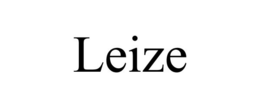
USPTO serial 87292454
LEIZE
Reviewed by CopyMark Law Group
- Filing date
- Status date
- Registration date
- —
- Examiner
- JONES, JACQUELYN ANDREA
- Law office
- TMO LAW OFFICE 120 - EXAMINING ATTORNEY ASSIGNED
What this means
These status codes mean the trademark application is abandoned and no longer pending. Common reasons include missing an Office Action response (600), filing without a valid basis (602), express abandonment by the applicant (604), or failure to respond to an examiner's inquiry (618). Revival may be possible in limited circumstances. If abandonment was unintentional, consult counsel about a petition to revive. Otherwise file a new application if protection is still needed.
Need help with LEIZE?
If you own this trademark, we can monitor new filings and help with USPTO deadlines. If you do not, we can file a new U.S. application.
Owner
Shenzhen, CN
Shenzhen, CN
Goods and services
| Class | Description | Status | First use |
|---|---|---|---|
| 007 | 3D printers; Apparatus for aerating beverages; Apparatus for aerating water; Barking machines; Bellows being parts of machines; Belts for conveyors; Cables for lifts; Capping machines; Cemented carbide tips; Clothes washing machines; Coal-cutting machines; Concrete construction machines; Conveyer belts; Corn and grain husking machines; Dispensing valves being machine parts; Driving chains, other than for land vehicles; Electric brooms; Electric ice crushing machines; Electric screwdrivers; Electric spiral slicers; Electric starter motors; Electric steam mops; Elevating or lifting work platforms; Elevator doors; Elevator gears; Elevator motors; Engines and motors for the generation of electricity; Engraving machines; Envelope stuffing and inserting machines; Extrusion moulding machines; Felt milling machines; Filter rod making machines; Forge bellows; Forging machines; Forging moulds; Fuel injectors; Gas welding machines; Gasifiers; Gear cutting and finishing machines; Gears for weaving looms; Generators for wind turbines; Glass-working machines; Grinding tools for grinding machines; Hoists that are mounted on military and law enforcement vehicles for raising and lowering equipment thereon; Hosiery looms; Hot adhesive guns; Hydraulic excavators; Hydraulic hammers; Jet engines, other than for land vehicles; Lattice mast cranes; Lawnmowers; Locomotive cranes; Lumbering band saws; Machine parts, namely, joints and joint parts for connecting sliding strips, plates and guides; Machine parts, namely, wear plates and strips; Machine wheelwork; Machines for the production of mineral water; Machines for the production of sugar; Meat and food grinder attachments for electric mixers for household use; Multi-phase screw pumps; Nailing machines; Oil centrifuges; Oil filters for motors and engines; Ore treating machines; Paint spray guns; Paper bag making machines; Paper coating machines; Paper reeling machines; Permanent magnet motors; Pile-drivers; Pile-extractors; Piston rings being engine parts; Pistons for engines; Plywood clipping machines; Plywood finishing machines; Plywood gluing machines; Plywood jointing machines; Plywood presses; Pneumatic jacks; Portable hoist systems; Power jacks; Power-operated hoists; Power-operated tools, namely, drill hammers; Power-operated tools, namely, lawn and garden edgers; Pumps and compressors as parts of machines, motors and engines; Rail-laying machines; Reapers and threshers; Road building machines; Rubber tracks being parts of crawlers on snow ploughs; Servo motors; Sifting machines; Ski edge sharpening tools, electric; Smoothing presses; Steam engine boilers for power generation, other than for land vehicles; Stone-working machines; Stropping machines; Tin openers, electric; Waste and trash separator machines; Wringing machines for laundry | ACTIVE | Jan 1, 2016 |
Related trademarks
CopyMark links this record to cited §2(d) serials, the owner's other marks, Nice classes, similar mark names, and recently changed USPTO applications.
Prosecution history
| Date | Code | Event | What it means |
|---|---|---|---|
| Sep 14, 2018 | MAB2 | ABANDONMENT NOTICE MAILED - FAILURE TO RESPOND | The trademark application was abandoned because a required response or document was not filed by the deadline — usually a missed Office Action response. The application is dead unless a petition to revive is granted within a limited time. |
| Sep 14, 2018 | ABN2 | ABANDONMENT - FAILURE TO RESPOND OR LATE RESPONSE | The trademark application was abandoned because a required response or document was not filed by the deadline — usually a missed Office Action response. The application is dead unless a petition to revive is granted within a limited time. |
| Feb 16, 2018 | GNRN | NOTIFICATION OF NON-FINAL ACTION E-MAILED | A non-final Office Action means the USPTO examining attorney has raised at least one issue with your trademark application but has not made a final decision. You usually have three months to respond with arguments, amendments, or evidence. Missing the deadline can abandon the application. |
| Feb 16, 2018 | GNRT | NON-FINAL ACTION E-MAILED | A non-final Office Action means the USPTO examining attorney has raised at least one issue with your trademark application but has not made a final decision. You usually have three months to respond with arguments, amendments, or evidence. Missing the deadline can abandon the application. |
| Feb 16, 2018 | CNRT | SU - NON-FINAL ACTION - WRITTEN | A non-final Office Action means the USPTO examining attorney has raised at least one issue with your trademark application but has not made a final decision. You usually have three months to respond with arguments, amendments, or evidence. Missing the deadline can abandon the application. |
| Jan 26, 2018 | SUPC | STATEMENT OF USE PROCESSING COMPLETE | — |
| Jan 22, 2018 | AITU | CASE ASSIGNED TO INTENT TO USE PARALEGAL | — |
| Jan 11, 2018 | IUAF | USE AMENDMENT FILED | — |
| Jan 11, 2018 | EISU | TEAS STATEMENT OF USE RECEIVED | The applicant filed a Statement of Use with specimens showing the mark in actual commerce. The USPTO will review the filing for compliance. If accepted, the mark can proceed to registration; if deficient, the USPTO may issue a requirement or office action. |
| Jul 11, 2017 | NOAM | NOA E-MAILED - SOU REQUIRED FROM APPLICANT | A Notice of Allowance means your intent-to-use application cleared examination and opposition but is not registered yet. You must file a Statement of Use showing the mark in commerce, or request an extension, before the deadline — usually six months from the notice date. |
| May 16, 2017 | NPUB | OFFICIAL GAZETTE PUBLICATION CONFIRMATION E-MAILED | — |
| May 16, 2017 | PUBO | PUBLISHED FOR OPPOSITION | Your mark was published in the USPTO Official Gazette for a 30-day opposition window. During that period, third parties who believe they would be harmed can file an opposition. If no opposition is filed, prosecution usually continues toward registration or a Notice of Allowance. |
| Apr 26, 2017 | NONP | NOTIFICATION OF NOTICE OF PUBLICATION E-MAILED | — |
| Apr 4, 2017 | CNSA | APPROVED FOR PUB - PRINCIPAL REGISTER | — |
| Mar 30, 2017 | DOCK | ASSIGNED TO EXAMINER | — |
| Mar 30, 2017 | DOCK | ASSIGNED TO EXAMINER | — |
| Jan 13, 2017 | NWOS | NEW APPLICATION OFFICE SUPPLIED DATA ENTERED | — |
| Jan 10, 2017 | NWAP | NEW APPLICATION ENTERED | — |