
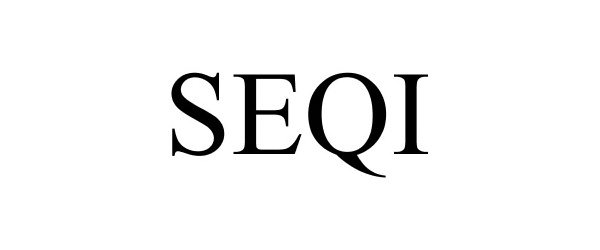
USPTO serial 87395386
SEQI
Reviewed by CopyMark Law Group
- Filing date
- Status date
- Registration date
- Jun 11, 2019
- Examiner
- DERBY,KAREN SHEREE
- Law office
- PUBLICATION AND ISSUE SECTION
What this means
Status 710 means the registration was cancelled because a required Section 8 declaration of continued use was not filed within the deadline (including any grace period). The federal registration is no longer active. Evaluate filing a new application if you still use the mark, or petition if cancellation was erroneous. Consult counsel on remaining common-law rights.
Need help with SEQI?
If you own this trademark, we can monitor new filings and help with USPTO deadlines. If you do not, we can file a new U.S. application.
Owner
SHENZHEN GIANT PLANET TECHNOLOGY CO., LTD.
SHENZHEN, GUANGDONG, CN
Other trademarks owned by SHENZHEN GIANT PLANET TECHNOLOGY CO., LTD.
Shenzhen Seqi Technology Co.,Ltd.
shenzhen, CN
Shenzhen Seqi Technology Co.,Ltd.
shenzhen, CN
Shenzhen Seqi Technology Co.,Ltd.
shenzhen, CN
Attorney of record
The USPTO lists this attorney as the applicant's representative for correspondence on this application.
Xionghui murong
12900 Oxon RoadHerndon, VA 20171Goods and services
| Class | Description | Status | First use |
|---|---|---|---|
| 009 | Home and office automation systems comprising wireless and wired controllers, controlled devices, and software for lighting, HVAC, security, safety and other home and office monitoring and control applications; Home and office electrical power automation systems comprising wireless and wired controllers, controlled devices, and software for appliances, lighting, HVAC, security and other home and office electrical power monitoring and control applications; Monitor signal amplifiers; Monitoring devices for monitoring battery performance characteristics; Monitoring devices for the aquaculture industry used to monitor dissolved oxygen and temperature; Access control and alarm monitoring systems; Alarm monitoring systems; Alarm that utilizes pressure sensitive pads to monitor patients or resident movement; Anti-glare filters for televisions and computer monitors; Atmospheric oxygen monitors; Automated process control system comprised of logic based hardware used to monitor the status of industrial machinery, namely, turbines, generators and compressors; Automated process control system, namely, micro-processor based hardware and software used to monitor the status of industrial machinery, namely, turbines, generators and compressors; Automated process control system, namely, micro-processor based hardware and software used to monitor the status of industrial processes, namely, power generation, electrical distribution and oil and gas processing; Automated systems, namely, software, hardware and communications devices for planning, scheduling, controlling, monitoring and providing information on transportation assets and parts thereof; Baby monitors; Battery monitoring devices that may be attached to a battery to monitor the performance of the battery and operating software for use therewith, sold as a unit; Battery monitors; Battery performance monitors; Cases for music, audio and related electronic equipment, namely, cases for audio tuners, audio receivers, amplifiers, tape players, compact disc players, MP3 controllers/players, audio mixers, audio speakers in the nature of music studio monitors, microphones, audio speakers, compact discs, audio tapes, portable computers, antennas, phonographic record players, audio recording equipment, and the cables associated with all of the foregoing equipment; Closed circuit TV systems for security and surveillance, namely, cameras, switchers, monitors, microphones, and recorders; Computer monitor arms; Computer monitor frames; Computer monitor mounts; Computer monitors; Computer game equipment, namely, discs; Computer hardware and software system for remotely monitoring environmental conditions and controlling devices within a building, facility, grounds, or designated spatial area; Computer hardware and software, for use with medical patient monitoring equipment, for receiving, processing, transmitting and displaying data; Computer software to monitor and control factory manufacturing processes; Cover for an electric door bell that attaches to the doorbell to block its use; Day and night vision systems primarily comprising day and night sensors, day and night cameras, power sources, communication means, monitors and operating software; Digital signage monitors; Electric, electronic, or electrochemical oxygen monitors and sensors for environmental use; Electrical conductivity monitor for monitoring doorbell; Electronic monitors and monitor modules for monitoring electric current and electrical signals; Electronic monitors for monitoring flowmeters; Electronic monitors to collect operational data and settings, including temperature data and settings, from HVAC equipment to ensure proper functioning; Electronic carbon dioxide monitors, other than for medical purposes; Electronic devices, namely, energy meters for tracking and monitoring energy usage; Electronic devices, namely, energy submeters for tracking and monitoring energy usage; Electronic devices, namely, radio frequency repeaters used in long range communication for tracking and monitoring energy usage; Electronic equipment for point-of-sales (POS) systems, namely, point-of-sale terminals, bar code readers, optical readers, advertisement display monitors, keyboards, printers, scanners, radio transmitters, radio receivers, computer hardware, and computer operating software; Electronic motor vehicle ignition tuning kits comprised of an electronic control unit that monitors engine performances and delivers re-calculated sensor values to the original engine control unit to increase engine performance; Elevator performance monitoring system, namely, embedded software in controllers for monitoring elevator functions; Environmental monitoring system comprised of meters and sensors that measure pressure, humidity, temperature and includes alarm and reporting functions; Environmentally friendly automation systems, namely, embedded operating systems and pc based software, for monitoring specified conditions and controlling respective innovative devices within a designated area; Fire fighting equipment, namely, fire fighting monitors that spray foam or liquids on fires; Flow switches for monitoring and controlling the flow of gases or liquids; Food safety monitoring devices, namely, thermometers, alarms; Frames for attachment to computer monitors; Hardened units composed of microprocessors and integrated transmitters and receivers installed in the field at large scale mining, construction, and industrial sites to collect data from monitoring and control installations, to transmit the data to central processing facilities, and to receive data transmissions directed to the installations; Heat detection systems comprised of fiber optic linear loop configurations, heat detectors, monitors; In-ear monitors not for medical purposes; LCD monitors for security purposes; Level switches and level indicators for monitoring and controlling liquids in tanks and vessels; Level switches for monitoring and controlling liquids in tanks and vessels; Liquid crystal display (LCD) monitors; Medical imaging software that records, monitors and analyzes data using a catheter based ultrasound imaging probe; Mounting brackets adapted for computer monitors; Mounting devices for monitors; Mounting devices for cameras and monitors; Portable electronic devices for monitoring and analyzing ball movement in sports; Pressure switches and sensors for monitoring, controlling, and switching hydraulic or pneumatic systems; Pressure transducers and transmitters that convert hydraulic or pneumatic pressure into analog electrical signals for monitoring and controlling hydraulic or pneumatic systems; Radio receivers and monitors for reproduction of sound and signals; Radio receivers and transmitters for monitoring and controlling light emitting diodes in a network of street lights and for processing emergency signals transmitted to individual street lights; Radio transmitters, receivers, and controllers for monitoring and controlling public lighting; Remote video monitoring system consisting primarily of a camera and video monitor for recording and transmitting images to a remote location; Safety and driving assistant system for mobile vehicles and vessels comprised of electronic proximity sensors and switches, high-resolution cameras, integrated circuits for the purpose of imaging processing, and display monitors; Software for monitoring and controlling communication between computers and automated machine systems; Software utilizing bidirectional communication via ethernet and internet to monitor and/or configure programmable logic controls for wine cellars; Stetoclip hearing aid listeners; Telecommunications hardware and software for monitoring and alerting remote sensor status via the Internet; Television monitors; Television monitors with television tuners; Televisions and monitors; Temperature switches and sensors for monitoring, controlling, and switching hydraulic or pneumatic systems; Touchscreen monitors; Traffic management equipment, namely, display monitors, computers, auto compasses, and software to manage traffic; TV monitors; Vehicle detection equipment, namely, display monitors, computers, image sensors, video cameras, and operating system and application software to detect vehicle location; Vehicle safety equipment, namely, an on-board vehicular surveillance system comprised of cameras and monitors for exposing and eliminating the blind spots on both sides of the vehicle; Vehicle safety equipment, namely, electronic tire pressure monitors; Vehicle safety equipment, namely, electronic vibration, shock, motion, angle, temperature and voltage monitors; Vehicle tracking devices comprised of cellular radio modules, computer software and computer hardware, sensors, transmitters, receivers and global positioning satellite receivers, all for use in connection with vehicle tracking, vehicle monitoring and anti-theft vehicle alarms; Video monitors; Video baby monitors; Voice display monitors; Voltage monitor modules; Water testing instrumentation for monitoring and detecting contamination; Wireless controllers to monitor and control the functioning of other electronic devices; Wireless controllers to remotely monitor and control the function and status of other electrical, electronic, and mechanical devices or systems, namely, doorbell; Wireless remote temperature and humidity monitors for building maintenance | SECTION 8 - CANCELLED | Nov 1, 2017 |
Related trademarks
CopyMark links this record to cited §2(d) serials, the owner's other marks, Nice classes, similar mark names, and recently changed USPTO applications.
- Other trademarks owned by SHENZHEN GIANT PLANET TECHNOLOGY CO., LTD.
- Other trademarks owned by Shenzhen Seqi Technology Co.,Ltd.
- Other trademarks owned by Shenzhen Seqi Technology Co.,Ltd.
- Other trademarks owned by Shenzhen Seqi Technology Co.,Ltd.
- Other trademarks in Class 009
- Similar marks named SEQI
- Recently changed USPTO trademarks
- Recently filed trademarks
- Browse all trademark records
Prosecution history
| Date | Code | Event | What it means |
|---|---|---|---|
| Dec 26, 2025 | C8.. | CANCELLED SEC. 8 (6-YR) | — |
| Jun 11, 2024 | REM1 | COURTESY REMINDER - SEC. 8 (6-YR) E-MAILED | — |
| Nov 29, 2023 | ASGN | AUTOMATIC UPDATE OF ASSIGNMENT OF OWNERSHIP | — |
| Nov 25, 2023 | TCCA | TEAS CHANGE OF CORRESPONDENCE RECEIVED | — |
| Nov 25, 2023 | ARAA | ATTORNEY/DOM.REP.REVOKED AND/OR APPOINTED | This event means the applicant filed a response to a USPTO Office Action — typically arguments, amendments, or evidence addressing the examiner's objections. The USPTO will review the response and either allow the mark to proceed or issue another action. |
| Nov 25, 2023 | REAP | TEAS REVOKE/APP/CHANGE ADDR OF ATTY/DOM REP RECEIVED | — |
| Nov 25, 2023 | CHAN | APPLICANT/CORRESPONDENCE CHANGES (NON-RESPONSIVE) ENTERED | — |
| Nov 25, 2023 | COAR | TEAS CHANGE OF OWNER ADDRESS RECEIVED | — |
| Jun 11, 2019 | R.PR | REGISTERED-PRINCIPAL REGISTER | Your trademark is registered on the Principal Register — the strongest form of federal trademark protection. You may use the ® symbol for the covered goods and services. Maintenance filings (Section 8 and renewals) are required to keep the registration alive. |
| Mar 26, 2019 | NPUB | OFFICIAL GAZETTE PUBLICATION CONFIRMATION E-MAILED | — |
| Mar 26, 2019 | PUBO | PUBLISHED FOR OPPOSITION | Your mark was published in the USPTO Official Gazette for a 30-day opposition window. During that period, third parties who believe they would be harmed can file an opposition. If no opposition is filed, prosecution usually continues toward registration or a Notice of Allowance. |
| Mar 6, 2019 | NONP | NOTIFICATION OF NOTICE OF PUBLICATION E-MAILED | — |
| Feb 18, 2019 | CNSA | APPROVED FOR PUB - PRINCIPAL REGISTER | — |
| Jan 25, 2019 | TEME | TEAS/EMAIL CORRESPONDENCE ENTERED | — |
| Jan 25, 2019 | CRFA | CORRESPONDENCE RECEIVED IN LAW OFFICE | — |
| Jan 22, 2019 | TROA | TEAS RESPONSE TO OFFICE ACTION RECEIVED | This event means the applicant filed a response to a USPTO Office Action — typically arguments, amendments, or evidence addressing the examiner's objections. The USPTO will review the response and either allow the mark to proceed or issue another action. |
| Dec 18, 2018 | AAUA | NOTICE OF ACCEPTANCE OF AMENDMENT TO ALLEGE USE E-MAILED | — |
| Dec 17, 2018 | GNRN | NOTIFICATION OF NON-FINAL ACTION E-MAILED | A non-final Office Action means the USPTO examining attorney has raised at least one issue with your trademark application but has not made a final decision. You usually have three months to respond with arguments, amendments, or evidence. Missing the deadline can abandon the application. |
| Dec 17, 2018 | GNRT | NON-FINAL ACTION E-MAILED | A non-final Office Action means the USPTO examining attorney has raised at least one issue with your trademark application but has not made a final decision. You usually have three months to respond with arguments, amendments, or evidence. Missing the deadline can abandon the application. |
| Dec 17, 2018 | CNRT | NON-FINAL ACTION WRITTEN | A non-final Office Action means the USPTO examining attorney has raised at least one issue with your trademark application but has not made a final decision. You usually have three months to respond with arguments, amendments, or evidence. Missing the deadline can abandon the application. |
| Dec 17, 2018 | IUAA | USE AMENDMENT ACCEPTED | — |
| Nov 22, 2018 | AUPC | AMENDMENT TO USE PROCESSING COMPLETE | — |
| Nov 22, 2018 | IUAF | USE AMENDMENT FILED | — |
| Nov 21, 2018 | EAAU | TEAS AMENDMENT OF USE RECEIVED | — |
| Nov 14, 2018 | GNRN | NOTIFICATION OF NON-FINAL ACTION E-MAILED | A non-final Office Action means the USPTO examining attorney has raised at least one issue with your trademark application but has not made a final decision. You usually have three months to respond with arguments, amendments, or evidence. Missing the deadline can abandon the application. |
| Nov 14, 2018 | GNRT | NON-FINAL ACTION E-MAILED | A non-final Office Action means the USPTO examining attorney has raised at least one issue with your trademark application but has not made a final decision. You usually have three months to respond with arguments, amendments, or evidence. Missing the deadline can abandon the application. |
| Nov 14, 2018 | CNRT | NON-FINAL ACTION WRITTEN | A non-final Office Action means the USPTO examining attorney has raised at least one issue with your trademark application but has not made a final decision. You usually have three months to respond with arguments, amendments, or evidence. Missing the deadline can abandon the application. |
| Oct 1, 2018 | TEME | TEAS/EMAIL CORRESPONDENCE ENTERED | — |
| Oct 1, 2018 | CRFA | CORRESPONDENCE RECEIVED IN LAW OFFICE | — |
| Sep 21, 2018 | ALIE | ASSIGNED TO LIE | — |
| Sep 14, 2018 | TROA | TEAS RESPONSE TO OFFICE ACTION RECEIVED | This event means the applicant filed a response to a USPTO Office Action — typically arguments, amendments, or evidence addressing the examiner's objections. The USPTO will review the response and either allow the mark to proceed or issue another action. |
| Jul 18, 2018 | GNRN | NOTIFICATION OF NON-FINAL ACTION E-MAILED | A non-final Office Action means the USPTO examining attorney has raised at least one issue with your trademark application but has not made a final decision. You usually have three months to respond with arguments, amendments, or evidence. Missing the deadline can abandon the application. |
| Jul 18, 2018 | GNRT | NON-FINAL ACTION E-MAILED | A non-final Office Action means the USPTO examining attorney has raised at least one issue with your trademark application but has not made a final decision. You usually have three months to respond with arguments, amendments, or evidence. Missing the deadline can abandon the application. |
| Jul 18, 2018 | CNRT | NON-FINAL ACTION WRITTEN | A non-final Office Action means the USPTO examining attorney has raised at least one issue with your trademark application but has not made a final decision. You usually have three months to respond with arguments, amendments, or evidence. Missing the deadline can abandon the application. |
| Jun 6, 2018 | TEME | TEAS/EMAIL CORRESPONDENCE ENTERED | — |
| Jun 6, 2018 | CRFA | CORRESPONDENCE RECEIVED IN LAW OFFICE | — |
| Jun 6, 2018 | TROA | TEAS RESPONSE TO OFFICE ACTION RECEIVED | This event means the applicant filed a response to a USPTO Office Action — typically arguments, amendments, or evidence addressing the examiner's objections. The USPTO will review the response and either allow the mark to proceed or issue another action. |
| Feb 21, 2018 | GAUN | NOTIFICATION OF NOTICE OF UNRESPONSIVE AMENDMENT - E-MAILED | — |
| Feb 21, 2018 | GAUD | NOTICE OF UNRESPONSIVE AMENDMENT - E-MAILED | — |
| Feb 21, 2018 | NAUD | REPORT UNRESPONSIVE AMENDMENT - COMPLETED | — |
| Jan 12, 2018 | TEME | TEAS/EMAIL CORRESPONDENCE ENTERED | — |
| Jan 12, 2018 | CRFA | CORRESPONDENCE RECEIVED IN LAW OFFICE | — |
| Jan 12, 2018 | TROA | TEAS RESPONSE TO OFFICE ACTION RECEIVED | This event means the applicant filed a response to a USPTO Office Action — typically arguments, amendments, or evidence addressing the examiner's objections. The USPTO will review the response and either allow the mark to proceed or issue another action. |
| Jan 10, 2018 | GNRN | NOTIFICATION OF NON-FINAL ACTION E-MAILED | A non-final Office Action means the USPTO examining attorney has raised at least one issue with your trademark application but has not made a final decision. You usually have three months to respond with arguments, amendments, or evidence. Missing the deadline can abandon the application. |
| Jan 10, 2018 | GNRT | NON-FINAL ACTION E-MAILED | A non-final Office Action means the USPTO examining attorney has raised at least one issue with your trademark application but has not made a final decision. You usually have three months to respond with arguments, amendments, or evidence. Missing the deadline can abandon the application. |
| Jan 10, 2018 | CNRT | NON-FINAL ACTION WRITTEN | A non-final Office Action means the USPTO examining attorney has raised at least one issue with your trademark application but has not made a final decision. You usually have three months to respond with arguments, amendments, or evidence. Missing the deadline can abandon the application. |
| Nov 27, 2017 | TEME | TEAS/EMAIL CORRESPONDENCE ENTERED | — |
| Nov 26, 2017 | CRFA | CORRESPONDENCE RECEIVED IN LAW OFFICE | — |
| Nov 26, 2017 | TROA | TEAS RESPONSE TO OFFICE ACTION RECEIVED | This event means the applicant filed a response to a USPTO Office Action — typically arguments, amendments, or evidence addressing the examiner's objections. The USPTO will review the response and either allow the mark to proceed or issue another action. |
| Jun 27, 2017 | GNRN | NOTIFICATION OF NON-FINAL ACTION E-MAILED | A non-final Office Action means the USPTO examining attorney has raised at least one issue with your trademark application but has not made a final decision. You usually have three months to respond with arguments, amendments, or evidence. Missing the deadline can abandon the application. |
| Jun 27, 2017 | GNRT | NON-FINAL ACTION E-MAILED | A non-final Office Action means the USPTO examining attorney has raised at least one issue with your trademark application but has not made a final decision. You usually have three months to respond with arguments, amendments, or evidence. Missing the deadline can abandon the application. |
| Jun 27, 2017 | CNRT | NON-FINAL ACTION WRITTEN | A non-final Office Action means the USPTO examining attorney has raised at least one issue with your trademark application but has not made a final decision. You usually have three months to respond with arguments, amendments, or evidence. Missing the deadline can abandon the application. |
| Jun 24, 2017 | DOCK | ASSIGNED TO EXAMINER | — |
| Apr 7, 2017 | NWOS | NEW APPLICATION OFFICE SUPPLIED DATA ENTERED | — |
| Apr 5, 2017 | NWAP | NEW APPLICATION ENTERED | — |