
USPTO serial 87526706
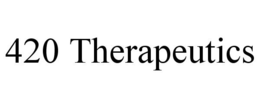
420 THERAPEUTICS
Reviewed by CopyMark Law Group
- Filing date
- Status date
- Registration date
- —
- Examiner
- STRUCK, ROBERT J
- Law office
- TMEG LAW OFFICE 109 - EXAMINING ATTORNEY ASSIGNED
What this means
These status codes mean the trademark application is abandoned and no longer pending. Common reasons include missing an Office Action response (600), filing without a valid basis (602), express abandonment by the applicant (604), or failure to respond to an examiner's inquiry (618). Revival may be possible in limited circumstances. If abandonment was unintentional, consult counsel about a petition to revive. Otherwise file a new application if protection is still needed.
Need help with 420 THERAPEUTICS?
If you own this trademark, we can monitor new filings and help with USPTO deadlines. If you do not, we can file a new U.S. application.
Owner
Attorney of record
The USPTO lists this attorney as the applicant's representative for correspondence on this application.
Avrom Warren Brown
AVROM WARREN BROWN GARFINKLE BIDERMAN LLP1 ADELAIDE STREET EASTSUITE 801,TORONTO, ONTARIO, M5C2V9Goods and services
| Class | Description | Status | First use |
|---|---|---|---|
| 005 | Nutraceuticals for the treatment of pain, palliative care, nausea and vomiting, wasting syndrome and loss of appetite in AIDS and cancer patients, anorexia nervosa, Multiple sclerosis, amyotrophic lateral sclerosis, spinal cord injury, epilepsy, pain, arthritides and musculoskeletal disorders, movement disorders, glaucoma, asthma, hypertension, psychiatric disorders, anxiety, depression, sleep disorders, post-traumatic stress disorder, alcohol and opioid withdrawal symptoms, schizophrenia and psychosis, Alzheimer's disease, dementia, inflammation, inflammatory skin diseases, gastrointestinal system disorders, irritable bowel syndrome, inflammatory bowel diseases, diseases of the liver, metabolic syndrome, obesity, diabetes, diseases of the pancreas, anti-neoplastic properties, and atherosclerosis;pharmaceuticals and nutraceuticals containing cannabis, cannabinoids or cannabis compounds for the treatment of pain, palliative care, nausea and vomiting, wasting syndrome and loss of appetite in AIDS and cancer patients, anorexia nervosa, Multiple sclerosis, amyotrophic lateral sclerosis, spinal cord injury, epilepsy, pain, arthritides and musculoskeletal disorders, movement disorders, glaucoma, asthma, hypertension, psychiatric disorders, anxiety, depression, sleep disorders, post-traumatic stress disorder, alcohol and opioid withdrawal symptoms, schizophrenia and psychosis, Alzheimer's disease, dementia, inflammation, inflammatory skin diseases, gastrointestinal system disorders, irritable bowel syndrome, inflammatory bowel diseases, diseases of the liver, metabolic syndrome, obesity, diabetes, diseases of the pancreas, anti-neoplastic properties, and atherosclerosis; prescription synthetic narcotics for medical use; pharmaceutical preparations for the treatment of pain, palliative care, nausea and vomiting, wasting syndrome and loss of appetite in AIDS and cancer patients, anorexia nervosa, Multiple sclerosis, amyotrophic lateral sclerosis, spinal cord injury, epilepsy, pain, arthritides and musculoskeletal disorders, movement disorders, glaucoma, asthma, hypertension, psychiatric disorders, anxiety, depression, sleep disorders, post-traumatic stress disorder, alcohol and opioid withdrawal symptoms, schizophrenia and psychosis, Alzheimer's disease, dementia, inflammation, inflammatory skin diseases, gastrointestinal system disorders, irritable bowel syndrome, inflammatory bowel diseases, diseases of the liver, metabolic syndrome, obesity, diabetes, diseases of the pancreas, anti-neoplastic properties, and atherosclerosis; pharmaceutical preparations containing one or more cannabinoids as the active ingredient for the treatment of pain, palliative care, nausea and vomiting, wasting syndrome and loss of appetite in AIDS and cancer patients, anorexia nervosa, Multiple sclerosis, amyotrophic lateral sclerosis, spinal cord injury, epilepsy, pain, arthritides and musculoskeletal disorders, movement disorders, glaucoma, asthma, hypertension, psychiatric disorders, anxiety, depression, sleep disorders, post-traumatic stress disorder, alcohol and opioid withdrawal symptoms, schizophrenia and psychosis, Alzheimer's disease, dementia, inflammation, inflammatory skin diseases, gastrointestinal system disorders, irritable bowel syndrome, inflammatory bowel diseases, diseases of the liver, metabolic syndrome, obesity, diabetes, diseases of the pancreas, anti-neoplastic properties, and atherosclerosis; medicines containing a tetrahydrocannabinol extract for the treatment of pain, palliative care, nausea and vomiting, wasting syndrome and loss of appetite in AIDS and cancer patients, anorexia nervosa, Multiple sclerosis, amyotrophic lateral sclerosis, spinal cord injury, epilepsy, pain, arthritides and musculoskeletal disorders, movement disorders, glaucoma, asthma, hypertension, psychiatric disorders, anxiety, depression, sleep disorders, post-traumatic stress disorder, alcohol and opioid withdrawal symptoms, schizophrenia and psychosis, Alzheimer's disease, dementia, inflammation, inflammatory skin diseases, gastrointestinal system disorders, irritable bowel syndrome, inflammatory bowel diseases, diseases of the liver, metabolic syndrome, obesity, diabetes, diseases of the pancreas, anti-neoplastic properties, and atherosclerosis;medicines derived from cannabis for the treatment of pain, palliative care, nausea and vomiting, wasting syndrome and loss of appetite in AIDS and cancer patients, anorexia nervosa, Multiple sclerosis, amyotrophic lateral sclerosis, spinal cord injury, epilepsy, pain, arthritides and musculoskeletal disorders, movement disorders, glaucoma, asthma, hypertension, psychiatric disorders, anxiety, depression, sleep disorders, post-traumatic stress disorder, alcohol and opioid withdrawal symptoms, schizophrenia and psychosis, Alzheimer's disease, dementia, inflammation, inflammatory skin diseases, gastrointestinal system disorders, irritable bowel syndrome, inflammatory bowel diseases, diseases of the liver, metabolic syndrome, obesity, diabetes, diseases of the pancreas, anti-neoplastic properties, and atherosclerosis | PARTIALLY PAID | — |
Related trademarks
CopyMark links this record to cited §2(d) serials, the owner's other marks, Nice classes, similar mark names, and recently changed USPTO applications.
Prosecution history
| Date | Code | Event | What it means |
|---|---|---|---|
| Aug 28, 2018 | MAB2 | ABANDONMENT NOTICE MAILED - FAILURE TO RESPOND | The trademark application was abandoned because a required response or document was not filed by the deadline — usually a missed Office Action response. The application is dead unless a petition to revive is granted within a limited time. |
| Aug 28, 2018 | ABN2 | ABANDONMENT - FAILURE TO RESPOND OR LATE RESPONSE | The trademark application was abandoned because a required response or document was not filed by the deadline — usually a missed Office Action response. The application is dead unless a petition to revive is granted within a limited time. |
| Jan 30, 2018 | GNRN | NOTIFICATION OF NON-FINAL ACTION E-MAILED | A non-final Office Action means the USPTO examining attorney has raised at least one issue with your trademark application but has not made a final decision. You usually have three months to respond with arguments, amendments, or evidence. Missing the deadline can abandon the application. |
| Jan 30, 2018 | GNRT | NON-FINAL ACTION E-MAILED | A non-final Office Action means the USPTO examining attorney has raised at least one issue with your trademark application but has not made a final decision. You usually have three months to respond with arguments, amendments, or evidence. Missing the deadline can abandon the application. |
| Jan 30, 2018 | CNRT | NON-FINAL ACTION WRITTEN | A non-final Office Action means the USPTO examining attorney has raised at least one issue with your trademark application but has not made a final decision. You usually have three months to respond with arguments, amendments, or evidence. Missing the deadline can abandon the application. |
| Jan 30, 2018 | RFTP | REMOVED FROM TEAS PLUS | — |
| Jan 23, 2018 | DOCK | ASSIGNED TO EXAMINER | — |
| Aug 1, 2017 | DOCK | ASSIGNED TO EXAMINER | — |
| Jul 20, 2017 | NWOS | NEW APPLICATION OFFICE SUPPLIED DATA ENTERED | — |
| Jul 17, 2017 | NWAP | NEW APPLICATION ENTERED | — |