
USPTO serial 87638123
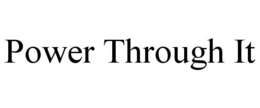
POWER THROUGH IT
Reviewed by CopyMark Law Group
Status 601
- Filing date
- Status date
- Registration date
- —
- Examiner
- DANG, PETER T
- Law office
- TMO LAW OFFICE 121 - EXAMINING ATTORNEY ASSIGNED
What this means
This page summarizes the public USPTO record for this serial number, including owners, goods and services, and prosecution history.
Need help with POWER THROUGH IT?
If you own this trademark, we can monitor new filings and help with USPTO deadlines. If you do not, we can file a new U.S. application.
Current trademark owner
Monitor this mark, or talk with CopyMark about this registration.
Not the owner?
File a new U.S. trademark application, or speak with our attorneys.
Owner
Attorney of record
The USPTO lists this attorney as the applicant's representative for correspondence on this application.
Jill Horton-Miller
JILL HORTON-MILLER PEARCE LAW, LLC25 MAIN STREETCOURT PLAZA NORTH, SUITE 602HACKENSACK, NJ 07601Goods and services
| Class | Description | Status | First use |
|---|---|---|---|
| 035 | Marketing services | ACTIVE | Jul 30, 2017 |
Related trademarks
CopyMark links this record to cited §2(d) serials, the owner's other marks, Nice classes, similar mark names, and recently changed USPTO applications.
Prosecution history
| Date | Code | Event | What it means |
|---|---|---|---|
| Feb 8, 2019 | MAB1 | ABANDONMENT NOTICE E-MAILED - EXPRESS ABANDONMENT | — |
| Feb 8, 2019 | ABN1 | ABANDONMENT - EXPRESS MAILED | — |
| Feb 7, 2019 | EXAR | TEAS EXPRESS ABANDONMENT RECEIVED | — |
| Aug 10, 2018 | GNRN | NOTIFICATION OF NON-FINAL ACTION E-MAILED | A non-final Office Action means the USPTO examining attorney has raised at least one issue with your trademark application but has not made a final decision. You usually have three months to respond with arguments, amendments, or evidence. Missing the deadline can abandon the application. |
| Aug 10, 2018 | GNRT | NON-FINAL ACTION E-MAILED | A non-final Office Action means the USPTO examining attorney has raised at least one issue with your trademark application but has not made a final decision. You usually have three months to respond with arguments, amendments, or evidence. Missing the deadline can abandon the application. |
| Aug 10, 2018 | CNRT | NON-FINAL ACTION WRITTEN | A non-final Office Action means the USPTO examining attorney has raised at least one issue with your trademark application but has not made a final decision. You usually have three months to respond with arguments, amendments, or evidence. Missing the deadline can abandon the application. |
| Aug 6, 2018 | TEME | TEAS/EMAIL CORRESPONDENCE ENTERED | — |
| Aug 6, 2018 | CRFA | CORRESPONDENCE RECEIVED IN LAW OFFICE | — |
| Aug 4, 2018 | ALIE | ASSIGNED TO LIE | — |
| Jul 17, 2018 | TROA | TEAS RESPONSE TO OFFICE ACTION RECEIVED | This event means the applicant filed a response to a USPTO Office Action — typically arguments, amendments, or evidence addressing the examiner's objections. The USPTO will review the response and either allow the mark to proceed or issue another action. |
| Jan 18, 2018 | GNRN | NOTIFICATION OF NON-FINAL ACTION E-MAILED | A non-final Office Action means the USPTO examining attorney has raised at least one issue with your trademark application but has not made a final decision. You usually have three months to respond with arguments, amendments, or evidence. Missing the deadline can abandon the application. |
| Jan 18, 2018 | GNRT | NON-FINAL ACTION E-MAILED | A non-final Office Action means the USPTO examining attorney has raised at least one issue with your trademark application but has not made a final decision. You usually have three months to respond with arguments, amendments, or evidence. Missing the deadline can abandon the application. |
| Jan 18, 2018 | CNRT | NON-FINAL ACTION WRITTEN | A non-final Office Action means the USPTO examining attorney has raised at least one issue with your trademark application but has not made a final decision. You usually have three months to respond with arguments, amendments, or evidence. Missing the deadline can abandon the application. |
| Jan 18, 2018 | DOCK | ASSIGNED TO EXAMINER | — |
| Oct 16, 2017 | NWOS | NEW APPLICATION OFFICE SUPPLIED DATA ENTERED | — |
| Oct 12, 2017 | NWAP | NEW APPLICATION ENTERED | — |