
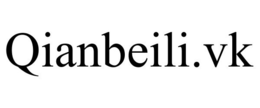
USPTO serial 87739623
QIANBEILI.VK
Reviewed by CopyMark Law Group
- Filing date
- Status date
- Registration date
- —
- Examiner
- SPARER, KATERINA DOROTHY
- Law office
- TMO LAW OFFICE 120 - EXAMINING ATTORNEY ASSIGNED
What this means
These status codes mean the trademark application is abandoned and no longer pending. Common reasons include missing an Office Action response (600), filing without a valid basis (602), express abandonment by the applicant (604), or failure to respond to an examiner's inquiry (618). Revival may be possible in limited circumstances. If abandonment was unintentional, consult counsel about a petition to revive. Otherwise file a new application if protection is still needed.
Need help with QIANBEILI.VK?
If you own this trademark, we can monitor new filings and help with USPTO deadlines. If you do not, we can file a new U.S. application.
Owner
Goods and services
| Class | Description | Status | First use |
|---|---|---|---|
| 025 | (Based on Use in Commerce) Underpants; Adhesive bras; Baby bibs not of paper; Bandeaux; Baseball caps; Beach coverups; Bicycle gloves; Body linen; Breeches; Caftans; Capri pants; Capris; Chemisettes; Children's and infant's apparel, namely, jumpers, overall sleepwear, pajamas, rompers and one-piece garments; Children's and infants' apparel treated with fire and heat retardants, namely, jumpers, overall sleepwear, pajamas, rompers and one-piece garments; Children's cloth eating bibs; Clogs; Cloth bibs for adult diners; Clothing, namely, folk costumes; Collars; Finished textile linings for garments; Foundation garments; Foundation garments worn around the midsection or thighs to keep the stomach in and create a slimming effect; Frocks; Girdles; Golf shoes; Gowns; Headwear; Japanese style socks (tabi); Japanese style wooden clogs (geta); Jogging pants; Judo suits; Kaftans; Karate suits; Keffiyehs (Yashmaghs); Kendo outfits; Leather pants; Leather shoes; Leather slippers; Leg-warmers; Long jackets; Long sleeved vests; Low wooden clogs (hiyori-geta); Mantillas; Mantles; Men's socks; Men's suits; Mufflers as neck scarves; Muu muus; Neck scarfs; Neck bands; One-piece garments for children; Over coats; Pedicure sandals; Pedicure slippers; Plastic baby bibs; Polo shirts; Pyjamas; Rain boots; Rain trousers; Raincoats; Rainproof jackets; Removable collars; Sandals; Sarees; Sashes; Scarves; Shapewear; Shawls; Shirts for suits; Shoe soles; Shoes; Short overcoat for kimono (haori); Short petticoats; Short trousers; Short-sleeved or long-sleeved t-shirts; Shorts; Shoulder scarves; Shoulder wraps; Silk scarves; Ski bibs; Ski jackets; Ski pants; Ski suits for competition; Skirt suits; Skirts; Sleeping garments; Sleeveless jerseys; Slipper soles; Smoking jackets; Snow boarding suits; Soccer boots; Soccer shoes; Sock suspenders; Sport coats; Sport shirts; Sports jackets; Sports overuniforms; Sports shirts; Sports shirts with short sleeves; Strapless bras; String fasteners for haori (haori-himo); Suede jackets; Suits of leather; Suspender belts for men; Suspender belts for women; Suspenders; Sweat pants; Sweat shirts; Sweatshirts for leisure; Swim caps; Swim wear for gentlemen and ladies; Swimming caps; Swimming costumes; Swimming trunks; T-shirts; Tank-tops; Tennis shoes; Tightening-up strings for kimonos (datejime); Tips for footwear; Toe straps for Japanese style wooden clogs; Track pants; Track suits; Training shoes; Training suits; Travel clothing contained in a package comprising reversible jackets, pants, skirts, tops and a belt or scarf; Trench coats; Trousers for sweating; Trousers of leather; Turtlenecks; Tuxedo belts; Under garments; Underclothes; Undershirts; Undershirts for kimonos (juban); Undershirts for kimonos (koshimaki); Underskirts; Uppers for Japanese style sandals; Uppers of woven rattan for Japanese style sandals; Volleyball shoes; Waist belts; Waist strings for kimonos (koshihimo); Waistbands; Wedding dresses; Wind coats; Wind resistant jackets; Wind vests; Wind-jackets; Winter boots; Women's ceremonial dresses; Women's shoes; Wooden main bodies of Japanese style wooden clogs; Wooden supports of Japanese style wooden clogs; Woollen socks; Working overalls; Wrap belts for kimonos (datemaki); (Based on Intent to Use) Bow ties; Cap peaks; Cap visors; Caps being headwear; Caps with visors; Hat bands; Hat frames; Hat liners; Hats; Hats for infants, babies, toddlers and children; Pajama bottoms; Pajamas; Pajamas for sleeping; Pajamas treated with fire and heat retardants; Pyjamas; Scarfs; Socks; Socks and stockings; Ties as clothing; Underwear; Adult novelty gag clothing item, namely, socks; Ankle socks; Anklets; Anti-perspirant socks; Baby doll pyjamas; Bucket caps; Bustle holder bands for obi (obiage); Clothing for babies, toddlers and children, treated with fire and heat retardants, namely, pajamas, jackets, shirts, pants, jumpers; Clothing, namely, cowls and smoke ring scarves; Cycling caps; Disposable underwear; Eternity scarves; Fascinator hats; Fur hats; Garrison caps; Golf caps; Head scarves; Headwear, namely, cap; Infinity scarves; Jackets and socks; Japanese style socks (tabi covers); Knitted underwear; Knot caps; Ladies' underwear; Leather hats; Long underwear; Men's dress socks; Neck scarves; Non-slip socks; Outerwear, namely, cap; Paper hats for use as clothing items; Paper shoes used when going through metal detectors to keep feet and socks clean; Perspiration absorbent strap to be used in the bill of a hat; Plastic socks used in the airport environment when going through security to keep feet clean, dry and sanitary; Plastic slippers used in the airport environment when going through security to keep feet and socks clean, dry and sanitary; Rain hats; Sash bands for kimono (obi); Sedge hats (suge-gasa); Shower caps; Slipper socks; Small hats; Stocking caps; Stocking hats; Thermal socks; Thermal underwear; Toboggan hats; Toe caps; Top hats; Trouser socks; Water socks; Women's hats and hoods; Woolly hats; Wrist bands as clothing | ACTIVE | Jul 28, 2013 |
Related trademarks
CopyMark links this record to cited §2(d) serials, the owner's other marks, Nice classes, similar mark names, and recently changed USPTO applications.
Prosecution history
| Date | Code | Event | What it means |
|---|---|---|---|
| Nov 14, 2018 | MAB2 | ABANDONMENT NOTICE MAILED - FAILURE TO RESPOND | The trademark application was abandoned because a required response or document was not filed by the deadline — usually a missed Office Action response. The application is dead unless a petition to revive is granted within a limited time. |
| Nov 14, 2018 | ABN2 | ABANDONMENT - FAILURE TO RESPOND OR LATE RESPONSE | The trademark application was abandoned because a required response or document was not filed by the deadline — usually a missed Office Action response. The application is dead unless a petition to revive is granted within a limited time. |
| Apr 18, 2018 | GNRN | NOTIFICATION OF NON-FINAL ACTION E-MAILED | A non-final Office Action means the USPTO examining attorney has raised at least one issue with your trademark application but has not made a final decision. You usually have three months to respond with arguments, amendments, or evidence. Missing the deadline can abandon the application. |
| Apr 18, 2018 | GNRT | NON-FINAL ACTION E-MAILED | A non-final Office Action means the USPTO examining attorney has raised at least one issue with your trademark application but has not made a final decision. You usually have three months to respond with arguments, amendments, or evidence. Missing the deadline can abandon the application. |
| Apr 18, 2018 | CNRT | NON-FINAL ACTION WRITTEN | A non-final Office Action means the USPTO examining attorney has raised at least one issue with your trademark application but has not made a final decision. You usually have three months to respond with arguments, amendments, or evidence. Missing the deadline can abandon the application. |
| Apr 11, 2018 | DOCK | ASSIGNED TO EXAMINER | — |
| Jan 17, 2018 | NWOS | NEW APPLICATION OFFICE SUPPLIED DATA ENTERED | — |
| Jan 4, 2018 | NWAP | NEW APPLICATION ENTERED | — |