
USPTO serial 87775262
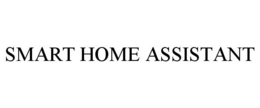
SMART HOME ASSISTANT
Reviewed by CopyMark Law Group
- Filing date
- Status date
- Registration date
- —
- Examiner
- KUYKENDALL, LYNDSEY
- Law office
- TMO LAW OFFICE 124 - EXAMINING ATTORNEY ASSIGNED
What this means
These status codes mean the trademark application is abandoned and no longer pending. Common reasons include missing an Office Action response (600), filing without a valid basis (602), express abandonment by the applicant (604), or failure to respond to an examiner's inquiry (618). Revival may be possible in limited circumstances. If abandonment was unintentional, consult counsel about a petition to revive. Otherwise file a new application if protection is still needed.
Need help with SMART HOME ASSISTANT?
If you own this trademark, we can monitor new filings and help with USPTO deadlines. If you do not, we can file a new U.S. application.
Owner
Attorney of record
The USPTO lists this attorney as the applicant's representative for correspondence on this application.
John C. Stringham
John C. Stringham WORKMAN NYDEGGER60 EAST SOUTH TEMPLE, SUITE 1000SALT LAKE CITY, UT 84111UNITED STATESGoods and services
| Class | Description | Status | First use |
|---|---|---|---|
| 009 | Voice command and recognition software, speech to text conversion software, and voice-enabled software applications for personal information management; home automation and home device integration software; wireless communication software for voice, audio, video, and data transmission; computer software used for controlling stand-alone voice controlled information and personal assistant devices; computer software for personal information management; computer software for use to connect and control internet of things (Iot) electronic devices; computer software for connecting, operating, integrating, controlling, and managing networked consumer electronic devices, home climate devices and lighting products via wireless networks; software for reading and reporting data from sensors that detect motion, temperature and patterns of behavior within a physical location or locations for energy management purposes; software development kits (SDKs) consisting of computer software development tools for the development of voice service delivery and nature language understanding technology across global computer networks, wireless networks, and electronic communications networks; software development kits (SDKs) consisting of computer software for the development, use, and interoperability of APIs that are used by electronic devices, systems, and interchanges that exchange data via communications networks and the internet and that connect with cloud-based data storage and exchange services; software development kits (SDKs) comprising of software development tools and software for use as an application programming interface (API) for creating software and applications related to internet connected consumer electronic devices; application programming interface (API), namely, software facilitating the development voice service delivery and personal assistant capability tools in connection with consumer electronic devices; computer application software for handheld wireless devices, namely, software for controlling, integrating, operating, connecting, and managing voice controlled information devices, namely, cloud-connected and voice-controlled smart consumer electronic devices and electronic personal assistant devices; Computer hardware and software system for monitoring and tracking users use of automation system; Computer hardware and software system for communicating between user and voice recognition automation system; Computer hardware and software system for sending alerts, notifications and recommendations concerning use and status of automation system; downloadable software application for mobile phones, smart phones, tablets, handheld computers, namely, software for reporting data from sensors that detect motion, temperature, and patterns of behavior for energy management and security purposes within locations in a home; downloadable software application for mobile phones, smart phones, tablets, handheld computers, namely, software for sending alerts, notifications concerning use and status of automation system; Computer software for the processing and analysis of pattern recognition data using artificial intelligence and natural language processing; computer software for artificial intelligence and machine learning and user behavior analytics and reporting data back to users | ACTIVE | — |
Related trademarks
CopyMark links this record to cited §2(d) serials, the owner's other marks, Nice classes, similar mark names, and recently changed USPTO applications.
Prosecution history
| Date | Code | Event | What it means |
|---|---|---|---|
| Nov 20, 2024 | ASCK | ASSIGNMENT OF OWNERSHIP NOT UPDATED AUTOMATICALLY | — |
| Nov 6, 2024 | ASCK | ASSIGNMENT OF OWNERSHIP NOT UPDATED AUTOMATICALLY | — |
| Sep 12, 2019 | MAB2 | ABANDONMENT NOTICE E-MAILED - FAILURE TO RESPOND | The trademark application was abandoned because a required response or document was not filed by the deadline — usually a missed Office Action response. The application is dead unless a petition to revive is granted within a limited time. |
| Sep 12, 2019 | ABN2 | ABANDONMENT - FAILURE TO RESPOND OR LATE RESPONSE | The trademark application was abandoned because a required response or document was not filed by the deadline — usually a missed Office Action response. The application is dead unless a petition to revive is granted within a limited time. |
| May 29, 2019 | ASCK | ASSIGNMENT OF OWNERSHIP NOT UPDATED AUTOMATICALLY | — |
| Feb 14, 2019 | GNFN | NOTIFICATION OF FINAL REFUSAL EMAILED | — |
| Feb 14, 2019 | GNFR | FINAL REFUSAL E-MAILED | A final Office Action (final refusal) means the examining attorney is maintaining at least one refusal and your options are narrower. You can file a response addressing the refusal, appeal to the Trademark Trial and Appeal Board, or let the application abandon. |
| Feb 14, 2019 | CNFR | FINAL REFUSAL WRITTEN | A final Office Action (final refusal) means the examining attorney is maintaining at least one refusal and your options are narrower. You can file a response addressing the refusal, appeal to the Trademark Trial and Appeal Board, or let the application abandon. |
| Jan 8, 2019 | DPCC | DIVISIONAL PROCESSING COMPLETE | — |
| Jan 7, 2019 | AITU | CASE ASSIGNED TO INTENT TO USE PARALEGAL | — |
| Nov 27, 2018 | TEME | TEAS/EMAIL CORRESPONDENCE ENTERED | — |
| Nov 27, 2018 | CRFA | CORRESPONDENCE RECEIVED IN LAW OFFICE | — |
| Nov 27, 2018 | ALIE | ASSIGNED TO LIE | — |
| Nov 15, 2018 | DRRR | DIVISIONAL REQUEST RECEIVED | — |
| Nov 15, 2018 | TCCA | TEAS CHANGE OF CORRESPONDENCE RECEIVED | — |
| Nov 15, 2018 | TROA | TEAS RESPONSE TO OFFICE ACTION RECEIVED | This event means the applicant filed a response to a USPTO Office Action — typically arguments, amendments, or evidence addressing the examiner's objections. The USPTO will review the response and either allow the mark to proceed or issue another action. |
| Nov 15, 2018 | ERTD | TEAS REQUEST TO DIVIDE RECEIVED | — |
| Sep 12, 2018 | ASCK | ASSIGNMENT OF OWNERSHIP NOT UPDATED AUTOMATICALLY | — |
| May 16, 2018 | GNRN | NOTIFICATION OF NON-FINAL ACTION E-MAILED | A non-final Office Action means the USPTO examining attorney has raised at least one issue with your trademark application but has not made a final decision. You usually have three months to respond with arguments, amendments, or evidence. Missing the deadline can abandon the application. |
| May 16, 2018 | GNRT | NON-FINAL ACTION E-MAILED | A non-final Office Action means the USPTO examining attorney has raised at least one issue with your trademark application but has not made a final decision. You usually have three months to respond with arguments, amendments, or evidence. Missing the deadline can abandon the application. |
| May 16, 2018 | CNRT | NON-FINAL ACTION WRITTEN | A non-final Office Action means the USPTO examining attorney has raised at least one issue with your trademark application but has not made a final decision. You usually have three months to respond with arguments, amendments, or evidence. Missing the deadline can abandon the application. |
| May 9, 2018 | DOCK | ASSIGNED TO EXAMINER | — |
| Feb 8, 2018 | NWOS | NEW APPLICATION OFFICE SUPPLIED DATA ENTERED | — |
| Feb 1, 2018 | NWAP | NEW APPLICATION ENTERED | — |