
USPTO serial 88393112
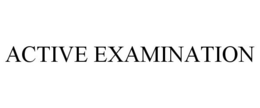
ACTIVE EXAMINATION
Reviewed by CopyMark Law Group
- Filing date
- Status date
- Registration date
- —
- Examiner
- MAKHDOOM, SAIMA
- Law office
- TMEG LAW OFFICE 101 - EXAMINING ATTORNEY ASSIGNED
What this means
These status codes mean the trademark application is abandoned and no longer pending. Common reasons include missing an Office Action response (600), filing without a valid basis (602), express abandonment by the applicant (604), or failure to respond to an examiner's inquiry (618). Revival may be possible in limited circumstances. If abandonment was unintentional, consult counsel about a petition to revive. Otherwise file a new application if protection is still needed.
Need help with ACTIVE EXAMINATION?
If you own this trademark, we can monitor new filings and help with USPTO deadlines. If you do not, we can file a new U.S. application.
Owner
White Plains, GA
Attorney of record
The USPTO lists this attorney as the applicant's representative for correspondence on this application.
James D. Withers
James D. Withers WITHERS & KEYS, LLCP.O. BOX 2049MCDONOUGH, GA 30253UNITED STATESGoods and services
| Class | Description | Status | First use |
|---|---|---|---|
| 041 | Conducting educational classes and training of healthcare and fitness professionals in the field of neuro-musculo-skeletal-fascial systems, exercise physiology, ortho-neurology examination, biotensegrity science, neuroplasticity and epigenetics to enable the healthcare and fitness professionals to provide tailored guidance for an individual/patient with regard to activities of daily living, athletics, injury predisposition, injury prevention and performance; conducting educational classes and providing training of healthcare and fitness professionals and practitioners of clinical professional licensure concerning techniques for evaluating an individual to provide tailored guidance for the individual with regard to activities of daily living, athletics, injury predisposition, injury prevention and performance, the practitioners of clinical professional licensure including chiropractors, physical therapists, rolfers, athletic trainers, acupuncturists, dentists and medical doctors; conducting educational classes and providing training of healthcare clinicians and fitness professionals techniques to create a universal evaluation and language which can become a bridge so as to integrate the clinicians with the fitness professionals with the goal being to enhance communication between the professions to develop clinical treatment/performance programs designed for client participation and to improve patient results; conducting educational classes and providing training concerning techniques to provide a standardized, reproducable progressive system of patient/client examination and evaluation to determine symmetry, asymmetry, strength and conditioning imbalances, proper range of motion and the inflexibility of hard and soft tissue components of the patient resulting in data for use in creating a measured and displayable image of the patient's system and general comprehensive neuro-musculo-skeletal-fascial physical preparedness and physical capacity; conducting educational classes and providing training concerning techniques to determine imbalances of a patient by evaluating and scoring single axis movements in standard planes of motion, graduating to multi-axial skilled movement patterns, and ultimately, creating an image of the patient that provides guidance with regard to open skilled activity in daily life or in elite athletic performance and results in the assistance of the integration of professional treatment recommendations and specific clinical exercise for the patient; conducting educational classes and providing training of healthcare and fitness professionals and practitioners of clinical professional licensure concerning techniques for evaluating a patient, how to perform the individual technique, what the individual technique provides regarding the patient's locally tested area, and what the individual technique provides regarding the patient's entire body so as to provide tailored guidance to the patient with regard to activities of daily living, athletics, injury predisposition, injury prevention and performance, the practitioners of clinical professional licensure including chiropractors, physical therapists, rolfers, athletic trainers, acupuncturists, dentists and medical doctors | ACTIVE | Apr 19, 2019 |
Related trademarks
CopyMark links this record to cited §2(d) serials, the owner's other marks, Nice classes, similar mark names, and recently changed USPTO applications.
Prosecution history
| Date | Code | Event | What it means |
|---|---|---|---|
| Feb 16, 2021 | MAB2 | ABANDONMENT NOTICE E-MAILED - FAILURE TO RESPOND | The trademark application was abandoned because a required response or document was not filed by the deadline — usually a missed Office Action response. The application is dead unless a petition to revive is granted within a limited time. |
| Feb 13, 2021 | ABN2 | ABANDONMENT - FAILURE TO RESPOND OR LATE RESPONSE | The trademark application was abandoned because a required response or document was not filed by the deadline — usually a missed Office Action response. The application is dead unless a petition to revive is granted within a limited time. |
| Aug 5, 2020 | GNRN | NOTIFICATION OF NON-FINAL ACTION E-MAILED | A non-final Office Action means the USPTO examining attorney has raised at least one issue with your trademark application but has not made a final decision. You usually have three months to respond with arguments, amendments, or evidence. Missing the deadline can abandon the application. |
| Aug 5, 2020 | GNRT | NON-FINAL ACTION E-MAILED | A non-final Office Action means the USPTO examining attorney has raised at least one issue with your trademark application but has not made a final decision. You usually have three months to respond with arguments, amendments, or evidence. Missing the deadline can abandon the application. |
| Aug 5, 2020 | CNRT | NON-FINAL ACTION WRITTEN | A non-final Office Action means the USPTO examining attorney has raised at least one issue with your trademark application but has not made a final decision. You usually have three months to respond with arguments, amendments, or evidence. Missing the deadline can abandon the application. |
| Jul 10, 2020 | TEME | TEAS/EMAIL CORRESPONDENCE ENTERED | — |
| Jul 9, 2020 | CRFA | CORRESPONDENCE RECEIVED IN LAW OFFICE | — |
| Jul 9, 2020 | ERFR | TEAS REQUEST FOR RECONSIDERATION RECEIVED | — |
| Jan 9, 2020 | GNFN | NOTIFICATION OF FINAL REFUSAL EMAILED | — |
| Jan 9, 2020 | GNFR | FINAL REFUSAL E-MAILED | A final Office Action (final refusal) means the examining attorney is maintaining at least one refusal and your options are narrower. You can file a response addressing the refusal, appeal to the Trademark Trial and Appeal Board, or let the application abandon. |
| Jan 9, 2020 | CNFR | FINAL REFUSAL WRITTEN | A final Office Action (final refusal) means the examining attorney is maintaining at least one refusal and your options are narrower. You can file a response addressing the refusal, appeal to the Trademark Trial and Appeal Board, or let the application abandon. |
| Dec 18, 2019 | TEME | TEAS/EMAIL CORRESPONDENCE ENTERED | — |
| Dec 17, 2019 | CRFA | CORRESPONDENCE RECEIVED IN LAW OFFICE | — |
| Dec 17, 2019 | TROA | TEAS RESPONSE TO OFFICE ACTION RECEIVED | This event means the applicant filed a response to a USPTO Office Action — typically arguments, amendments, or evidence addressing the examiner's objections. The USPTO will review the response and either allow the mark to proceed or issue another action. |
| Jun 17, 2019 | GNRN | NOTIFICATION OF NON-FINAL ACTION E-MAILED | A non-final Office Action means the USPTO examining attorney has raised at least one issue with your trademark application but has not made a final decision. You usually have three months to respond with arguments, amendments, or evidence. Missing the deadline can abandon the application. |
| Jun 17, 2019 | GNRT | NON-FINAL ACTION E-MAILED | A non-final Office Action means the USPTO examining attorney has raised at least one issue with your trademark application but has not made a final decision. You usually have three months to respond with arguments, amendments, or evidence. Missing the deadline can abandon the application. |
| Jun 17, 2019 | CNRT | NON-FINAL ACTION WRITTEN | A non-final Office Action means the USPTO examining attorney has raised at least one issue with your trademark application but has not made a final decision. You usually have three months to respond with arguments, amendments, or evidence. Missing the deadline can abandon the application. |
| Jun 11, 2019 | DOCK | ASSIGNED TO EXAMINER | — |
| May 6, 2019 | NWOS | NEW APPLICATION OFFICE SUPPLIED DATA ENTERED | — |
| Apr 23, 2019 | NWAP | NEW APPLICATION ENTERED | — |