
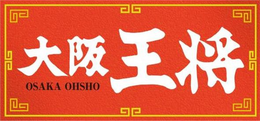
USPTO serial 88448463
OSAKA OHSHO
Reviewed by CopyMark Law Group
- Filing date
- Status date
- Registration date
- —
- Examiner
- OJEYEMI, ASHLEY CHRISTINE
- Law office
- TMO LAW OFFICE 128 - EXAMINING ATTORNEY ASSIGNED
What this means
These status codes mean the trademark application is abandoned and no longer pending. Common reasons include missing an Office Action response (600), filing without a valid basis (602), express abandonment by the applicant (604), or failure to respond to an examiner's inquiry (618). Revival may be possible in limited circumstances. If abandonment was unintentional, consult counsel about a petition to revive. Otherwise file a new application if protection is still needed.
Need help with OSAKA OHSHO?
If you own this trademark, we can monitor new filings and help with USPTO deadlines. If you do not, we can file a new U.S. application.
Owner
Osaka-shi, Osaka, JP
Attorney of record
The USPTO lists this attorney as the applicant's representative for correspondence on this application.
Bryant E. Wade/Jessica S. Sachs
Bryant E. Wade/Jessica S. Sachs HARNESS, DICKEY & PIERCE, P.L.C.5445 CORPORATE DRIVESUITE 200TROY, MI 48098Goods and services
| Class | Description | Status | First use |
|---|---|---|---|
| 030 | Confectionery, namely, pastilles, zefir, confectionery chips for baking; cereal-based snack foods being chips; potato-based flatbreads; rice crackers; rice-based snack foods; sweet pounded rice cakes (Manjughgashi); bread and buns; sandwiches; hamburger sandwiches; pizzas; hot dog sandwiches; meat pies; vegetable pies; Worcestershire sauce; meat gravies; ketchup; soy sauce; vinegar; vinegar mixes; seasoning soy sauce (Sobatsuyu); salad dressings; white sauce; mayonnaise; sauces for barbecued meat; oyster sauce; seasoning soup for Japanese hot pot dishes; seasonings, other than spices, except sauce for Gyoza, chili oil, Worcestershire sauce, gravy sauce, ketchup sauce, soy sauce, vinegar, vinegar mixes, seasoning soy sauce (Sobatsuyu), salad dressing, white sauce, mayonnaise, sauces for barbecue meat; dried noodles; chocolate-based spread; almond paste; yeast powder; fermenting malted rice (Koji); yeast; baking powder; rice byproduct for culinary purposes, namely, Sake lees; instant confectionery mixes, namely, sugar, edible adhesives, and ice cream; gluten additives for culinary purposes; ravioli; instant ice cream mixes; instant sorbet mixes; spices; chili oil being condiments; chili oil for use as a seasoning or condiment; sauces for Gyoza; pasta wrapping for Gyoza; pasta wrapping for spring rolls; pasta wrapping for wonton; liquid seasoning mix containing thickness adding agent for stir-fried liver and chive (Rebanira No Moto); liquid seasoning mix containing thickness adding agent for stir-fried meat, chive and bean sprouts (Nikuniramoyashi-itame No Moto); liquid seasoning and ingredients mix for fried rice (Chahan No Moto); liquid seasoning and ingredient mix for garlic fried rice (Garlic Chahan No Moto); liquid seasoning, and ingredients containing thickness adding agent for stir-fried crab meat and eggs (Kanitama No Moto); liquid and powder seasoning mix for Gyoza (Gyoza No Moto); liquid soy sauce seasoning for marinated meat and powder for frying mix for fried chicken. (Kara-age No Moto); liquid seasoning mix containing thickness adding agent for stir-fried pork and eggs (Butaniku To Tamago Itame No Moto); liquid seasoning mix containing thickness adding agent for Mapo Tofu (Mabo Dofu No Moto); liquid seasoning mix containing thickness adding agent for Tian Jin Rice (Tenshin Han No Moto); liquid seasoning mix containing thickness adding agent for Twice Cooked Pork (Hoikoro No Moto); Sushi; batter mix with small pieces of octopus for fried balls (Takoyaki); packaged meals consisting of rice, with added meat, fish or vegetables; Onigiri (rice balls); steamed buns stuffed with minced meat (Chuka-manjuh); frozen foods, namely, xialongbao (Shouronpo), Chinese steamed dumplings (Shumai), buns stuffed with minced pork (Buta-manjugh), buns stuffed with minced meat (Niku-manjugh and Chuka-manjugh), sweet pounded rice cakes with sesame (Gomadango), Chinese stuffed dumplings (Gyoza), Ramen (Japanese noodle-based dish), cooked fried noodle (Yakisoba), fried rice, pilaf; buns stuffed with minced roast pork; buns stuffed with Chinese chive (Nira-manjugh); buns stuffed with shrimp and Chinese chive (Ebi-nira-manjugh); xialongbao (Shouronpo); sweet pounded rice cakes with sesame (Gomadango); cooked, unheated pre-cooked, baked, boil, and fried Chinese stuffed dumplings (Gyoza); Chinese steamed dumplings (Shumai, cooked); Cooked Chinese noodles (Chuka-soba); noodles for cooked Chuka-soba with soup; noodle-based prepared meals; fried noodles (Yakisoba, cooked); fried rice (chahan); pilaf; spring rolls (Harumaki) | ACTIVE | — |
Related trademarks
CopyMark links this record to cited §2(d) serials, the owner's other marks, Nice classes, similar mark names, and recently changed USPTO applications.
Prosecution history
| Date | Code | Event | What it means |
|---|---|---|---|
| Apr 15, 2021 | MAB2 | ABANDONMENT NOTICE E-MAILED - FAILURE TO RESPOND | The trademark application was abandoned because a required response or document was not filed by the deadline — usually a missed Office Action response. The application is dead unless a petition to revive is granted within a limited time. |
| Apr 15, 2021 | ABN2 | ABANDONMENT - FAILURE TO RESPOND OR LATE RESPONSE | The trademark application was abandoned because a required response or document was not filed by the deadline — usually a missed Office Action response. The application is dead unless a petition to revive is granted within a limited time. |
| Dec 14, 2020 | DOCK | ASSIGNED TO EXAMINER | — |
| Oct 2, 2020 | GNFN | NOTIFICATION OF FINAL REFUSAL EMAILED | — |
| Oct 2, 2020 | GNFR | FINAL REFUSAL E-MAILED | A final Office Action (final refusal) means the examining attorney is maintaining at least one refusal and your options are narrower. You can file a response addressing the refusal, appeal to the Trademark Trial and Appeal Board, or let the application abandon. |
| Oct 2, 2020 | CNFR | FINAL REFUSAL WRITTEN | A final Office Action (final refusal) means the examining attorney is maintaining at least one refusal and your options are narrower. You can file a response addressing the refusal, appeal to the Trademark Trial and Appeal Board, or let the application abandon. |
| Sep 11, 2020 | TEME | TEAS/EMAIL CORRESPONDENCE ENTERED | — |
| Sep 11, 2020 | CRFA | CORRESPONDENCE RECEIVED IN LAW OFFICE | — |
| Sep 11, 2020 | TROA | TEAS RESPONSE TO OFFICE ACTION RECEIVED | This event means the applicant filed a response to a USPTO Office Action — typically arguments, amendments, or evidence addressing the examiner's objections. The USPTO will review the response and either allow the mark to proceed or issue another action. |
| Apr 1, 2020 | GNRN | NOTIFICATION OF NON-FINAL ACTION E-MAILED | A non-final Office Action means the USPTO examining attorney has raised at least one issue with your trademark application but has not made a final decision. You usually have three months to respond with arguments, amendments, or evidence. Missing the deadline can abandon the application. |
| Apr 1, 2020 | GNRT | NON-FINAL ACTION E-MAILED | A non-final Office Action means the USPTO examining attorney has raised at least one issue with your trademark application but has not made a final decision. You usually have three months to respond with arguments, amendments, or evidence. Missing the deadline can abandon the application. |
| Apr 1, 2020 | CNRT | NON-FINAL ACTION WRITTEN | A non-final Office Action means the USPTO examining attorney has raised at least one issue with your trademark application but has not made a final decision. You usually have three months to respond with arguments, amendments, or evidence. Missing the deadline can abandon the application. |
| Feb 25, 2020 | TEME | TEAS/EMAIL CORRESPONDENCE ENTERED | — |
| Feb 25, 2020 | CRFA | CORRESPONDENCE RECEIVED IN LAW OFFICE | — |
| Feb 25, 2020 | TROA | TEAS RESPONSE TO OFFICE ACTION RECEIVED | This event means the applicant filed a response to a USPTO Office Action — typically arguments, amendments, or evidence addressing the examiner's objections. The USPTO will review the response and either allow the mark to proceed or issue another action. |
| Aug 26, 2019 | GNRN | NOTIFICATION OF NON-FINAL ACTION E-MAILED | A non-final Office Action means the USPTO examining attorney has raised at least one issue with your trademark application but has not made a final decision. You usually have three months to respond with arguments, amendments, or evidence. Missing the deadline can abandon the application. |
| Aug 26, 2019 | GNRT | NON-FINAL ACTION E-MAILED | A non-final Office Action means the USPTO examining attorney has raised at least one issue with your trademark application but has not made a final decision. You usually have three months to respond with arguments, amendments, or evidence. Missing the deadline can abandon the application. |
| Aug 26, 2019 | CNRT | NON-FINAL ACTION WRITTEN | A non-final Office Action means the USPTO examining attorney has raised at least one issue with your trademark application but has not made a final decision. You usually have three months to respond with arguments, amendments, or evidence. Missing the deadline can abandon the application. |
| Aug 17, 2019 | DOCK | ASSIGNED TO EXAMINER | — |
| Jun 13, 2019 | MDSC | NOTICE OF DESIGN SEARCH CODE E-MAILED | — |
| Jun 12, 2019 | NWOS | NEW APPLICATION OFFICE SUPPLIED DATA ENTERED | — |
| May 31, 2019 | NWAP | NEW APPLICATION ENTERED | — |