
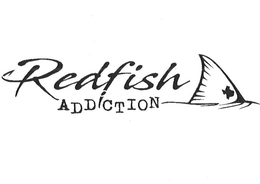
USPTO serial 88600235
REDFISH ADDICTION
Reviewed by CopyMark Law Group
- Filing date
- Status date
- Registration date
- Jun 16, 2020
- Examiner
- GALBO, AMANDA
- Law office
- PUBLICATION AND ISSUE SECTION
What this means
This registration is in, or will soon enter, a USPTO maintenance window. Missing a Section 8 or Section 9 filing can cancel the registration.
Deadline: June 16th, 2026
Need help with REDFISH ADDICTION?
If you own this trademark, we can monitor new filings and help with USPTO deadlines. If you do not, we can file a new U.S. application.
Current trademark owner
Get help with this Renewal, set up monitoring, or talk with CopyMark.
Get Attorney Assistance for just $399*
Plus Government fees of $425
Not the owner?
File a new U.S. trademark application, or speak with our attorneys.
Owner
Port O'Connor, TX
Port O'Connor, TX
Port O'Connor, TX
Goods and services
| Class | Description | Status | First use |
|---|---|---|---|
| 041 | Fishing guide services | ACTIVE | May 20, 2016 |
Related trademarks
CopyMark links this record to cited §2(d) serials, the owner's other marks, Nice classes, similar mark names, and recently changed USPTO applications.
Prosecution history
| Date | Code | Event | What it means |
|---|---|---|---|
| Jun 16, 2025 | REM1 | COURTESY REMINDER - SEC. 8 (6-YR) E-MAILED | — |
| Jun 16, 2020 | R.PR | REGISTERED-PRINCIPAL REGISTER | Your trademark is registered on the Principal Register — the strongest form of federal trademark protection. You may use the ® symbol for the covered goods and services. Maintenance filings (Section 8 and renewals) are required to keep the registration alive. |
| Mar 31, 2020 | NPUB | OFFICIAL GAZETTE PUBLICATION CONFIRMATION E-MAILED | — |
| Mar 31, 2020 | PUBO | PUBLISHED FOR OPPOSITION | Your mark was published in the USPTO Official Gazette for a 30-day opposition window. During that period, third parties who believe they would be harmed can file an opposition. If no opposition is filed, prosecution usually continues toward registration or a Notice of Allowance. |
| Mar 11, 2020 | NONP | NOTIFICATION OF NOTICE OF PUBLICATION E-MAILED | — |
| Feb 25, 2020 | CNSA | APPROVED FOR PUB - PRINCIPAL REGISTER | — |
| Feb 25, 2020 | TEME | TEAS/EMAIL CORRESPONDENCE ENTERED | — |
| Feb 25, 2020 | CRFA | CORRESPONDENCE RECEIVED IN LAW OFFICE | — |
| Feb 24, 2020 | TCCA | TEAS CHANGE OF CORRESPONDENCE RECEIVED | — |
| Feb 24, 2020 | ERFR | TEAS REQUEST FOR RECONSIDERATION RECEIVED | — |
| Feb 16, 2020 | GNFN | NOTIFICATION OF FINAL REFUSAL EMAILED | — |
| Feb 16, 2020 | GNFR | FINAL REFUSAL E-MAILED | A final Office Action (final refusal) means the examining attorney is maintaining at least one refusal and your options are narrower. You can file a response addressing the refusal, appeal to the Trademark Trial and Appeal Board, or let the application abandon. |
| Feb 16, 2020 | CNFR | FINAL REFUSAL WRITTEN | A final Office Action (final refusal) means the examining attorney is maintaining at least one refusal and your options are narrower. You can file a response addressing the refusal, appeal to the Trademark Trial and Appeal Board, or let the application abandon. |
| Jan 24, 2020 | TEME | TEAS/EMAIL CORRESPONDENCE ENTERED | — |
| Jan 24, 2020 | CRFA | CORRESPONDENCE RECEIVED IN LAW OFFICE | — |
| Jan 23, 2020 | ALIE | ASSIGNED TO LIE | — |
| Jan 13, 2020 | TROA | TEAS RESPONSE TO OFFICE ACTION RECEIVED | This event means the applicant filed a response to a USPTO Office Action — typically arguments, amendments, or evidence addressing the examiner's objections. The USPTO will review the response and either allow the mark to proceed or issue another action. |
| Dec 4, 2019 | GEAN | NOTIFICATION OF EXAMINER'S AMENDMENT/PRIORITY ACTION E-MAILED | — |
| Dec 4, 2019 | GEAP | EXAMINER'S AMENDMENT/PRIORITY ACTION E-MAILED | — |
| Dec 4, 2019 | EPEN | COMBINED EXAMINER'S AMENDMENT/PRIORITY ACTION AUTOMATIC ENTRY | — |
| Dec 4, 2019 | CPEA | EXAMINERS AMENDMENT AND/OR PRIORITY ACTION - COMPLETED | — |
| Dec 4, 2019 | DOCK | ASSIGNED TO EXAMINER | — |
| Sep 13, 2019 | MDSC | NOTICE OF DESIGN SEARCH CODE E-MAILED | — |
| Sep 12, 2019 | NWOS | NEW APPLICATION OFFICE SUPPLIED DATA ENTERED | — |
| Sep 3, 2019 | NWAP | NEW APPLICATION ENTERED | — |