
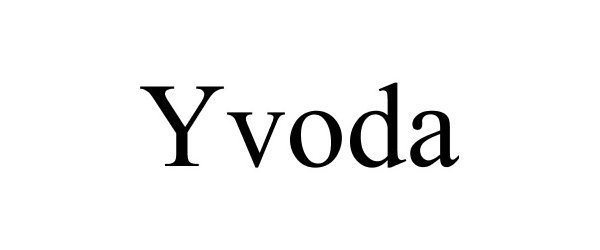
USPTO serial 88626327
YVODA
Reviewed by CopyMark Law Group
- Filing date
- Status date
- Registration date
- —
- Examiner
- PARKER, JUSTINE D
- Law office
- TMEG LAW OFFICE 101 - EXAMINING ATTORNEY ASSIGNED
What this means
These status codes mean the trademark application is abandoned and no longer pending. Common reasons include missing an Office Action response (600), filing without a valid basis (602), express abandonment by the applicant (604), or failure to respond to an examiner's inquiry (618). Revival may be possible in limited circumstances. If abandonment was unintentional, consult counsel about a petition to revive. Otherwise file a new application if protection is still needed.
Need help with YVODA?
If you own this trademark, we can monitor new filings and help with USPTO deadlines. If you do not, we can file a new U.S. application.
Owner
Englewood, NJ
Englewood, NJ
Goods and services
| Class | Description | Status | First use |
|---|---|---|---|
| 009 | Adapter plugs; Amplifiers; Angle gauges; Antennas; Athletic equipment, namely, mouth guards; Audio recorders; Audio speakers; Automatic valves; Cameras; Light conducting filaments; Light diodes; Light directors and photographic lighting tents, all for use with photographic lighting equipment for professional and high-end photography; Light emitting diode (LED) displays; Light emitting diodes (LEDs); Light pens; Light switches; Light systems comprising light sensors and switches; Light-conducting filaments; Light-dependent resistors; Lighting ballasts; Lighting control apparatus; Lighting control panels; Lighting controls; Lighting devices for taking pictures; Lighting panel control boards; Lights for use on video cameras; Plug adaptors; Scanners; Analog multimeters; Apparatus that employs light concentrating optics to concentrate sunlight and to aid in the conversion of sunlight into electric and thermal energy; Art kit for use in assembly of art installation that creates a kaleidoscope painting of moving patterns and changing colors consisting of a custom designed incandescent/LED lamp with interchangeable colored glass filtered lenses, glass crystals with custom designed sterling silver bails, plastic mounting hooks, filaments for suspending crystals, a remote control for light color and dimming preferences, micro-fiber cleaning cloths, and instructions; Automotive, industrial, construction, locomotive, aviation, navigation and marine safety-warning lights, namely, strobes, rotating lights and bar lights; Ballasts for halogen lights; Batteries for lighting; Bicycle safety lights; Collapsible light directors and diffusers for use with photographic lighting equipment for professional and high-end photography; Computer cursor control devices, namely, light pens; Counterfeit money detection light to be used in retail stores and banks; Digital multimeters; Electric light dimmers; Electric light switch plaster rings; Electric warning light systems; Electric warning lights; Electrified rails for mounting spot lights; Electronic control gears (ECGs) for LED lamps and light fixtures; Electronic regulating and control devices for the operation of light emitting diodes; Emergency warning lights; Fiber optic light and image conduits; Flashing and steady safety lights; Flashing safety light in the form of a pendant for providing visibility for people, inanimate articles, or animals; Flashing safety lights; Flashlights with light emitting diodes for use in photography; Fluorescent lamp ballast for electric lights; Helmet safety lights; Humidity sensor with integrated digital and analog output circuitry used in automotive, appliance and light industrial applications to sense both relative humidity and temperature environmental conditions; Indicator lights; Indicator lights for circuit boards; Indicator lights for telecommunication apparatus; Laboratory instruments, namely, radiation devices in the nature of ultraviolet, visible, or infra-red light boxes for the analysis of bodily fluids; LED and HID light controls; Luminous variable/dynamic signs using light emitting diodes and electronic controllers to produce real-time and programmable messages and information displays; Motion sensitive security lights; Motion sensors for security lights; OLED (Organic light emitting diode) display panels; Optical apparatus, namely, a non-lethal security device that uses a light source to detect, warn, repel, temporarily blind, disorient, nauseate, disable, confuse, debilitate, stun, subdue, stop, or incapacitate persons or animals; Organic light emitting diodes (OLED); Organic light-emitting diodes (OLED); Portable detection and identification instruments using light sources and light detectors for detecting and identifying chemical and biological substances not for medical purposes; Portable photography equipment, namely, reflectors, tripods, light stands and supports and bags specially adapted for these goods; Quantum dot light-emitting diodes (QLED); Radio receivers and transmitters for monitoring and controlling light emitting diodes in a network of street lights and for processing emergency signals transmitted to individual street lights; Retinal imaging display device, namely, a device using image projection technology that focuses light onto the retina to create afterimages for the user; Rotating lights; Safety equipment, namely, beacon lights; Security lights for outdoor use; Solid state light based emissive imagers; Starters for fluorescent lights; Strobe light apparatus for use in professional quality photography; Thin-film solar (TFS), vertical axis wind turbine (VAWT) and Hybrid TFS VAWT off-grid power and deep cycle battery storage systems composed of batteries, charge controllers and inverters with integrated LED bulbs and LED light fixtures; Traffic lights; Traffic-light apparatus | PARTIALLY PAID | Mar 29, 2019 |
Related trademarks
CopyMark links this record to cited §2(d) serials, the owner's other marks, Nice classes, similar mark names, and recently changed USPTO applications.
Prosecution history
| Date | Code | Event | What it means |
|---|---|---|---|
| Dec 9, 2020 | MAB2 | ABANDONMENT NOTICE E-MAILED - FAILURE TO RESPOND | The trademark application was abandoned because a required response or document was not filed by the deadline — usually a missed Office Action response. The application is dead unless a petition to revive is granted within a limited time. |
| Dec 8, 2020 | ABN2 | ABANDONMENT - FAILURE TO RESPOND OR LATE RESPONSE | The trademark application was abandoned because a required response or document was not filed by the deadline — usually a missed Office Action response. The application is dead unless a petition to revive is granted within a limited time. |
| May 26, 2020 | GNRN | NOTIFICATION OF NON-FINAL ACTION E-MAILED | A non-final Office Action means the USPTO examining attorney has raised at least one issue with your trademark application but has not made a final decision. You usually have three months to respond with arguments, amendments, or evidence. Missing the deadline can abandon the application. |
| May 26, 2020 | GNRT | NON-FINAL ACTION E-MAILED | A non-final Office Action means the USPTO examining attorney has raised at least one issue with your trademark application but has not made a final decision. You usually have three months to respond with arguments, amendments, or evidence. Missing the deadline can abandon the application. |
| May 26, 2020 | CNRT | NON-FINAL ACTION WRITTEN | A non-final Office Action means the USPTO examining attorney has raised at least one issue with your trademark application but has not made a final decision. You usually have three months to respond with arguments, amendments, or evidence. Missing the deadline can abandon the application. |
| May 26, 2020 | RFTP | REMOVED FROM TEAS PLUS | — |
| May 14, 2020 | JURT | JURISDICTION RESTORED TO EXAMINING ATTORNEY | — |
| May 14, 2020 | ATRQ | ATTORNEY REVIEW/DECISION ON AMENDMENT REQUIRED | — |
| Apr 6, 2020 | CRTP | REG. CANCELLED - RESTORED TO PENDENCY | — |
| Apr 1, 2020 | APET | ASSIGNED TO PETITION STAFF | — |
| Apr 1, 2020 | RCII | REQUEST TO CANCEL INADVERTENTLY ISSUED REGISTRATION RECEIVED | — |
| Mar 31, 2020 | R.PR | REGISTERED-PRINCIPAL REGISTER | Your trademark is registered on the Principal Register — the strongest form of federal trademark protection. You may use the ® symbol for the covered goods and services. Maintenance filings (Section 8 and renewals) are required to keep the registration alive. |
| Jan 14, 2020 | NPUB | OFFICIAL GAZETTE PUBLICATION CONFIRMATION E-MAILED | — |
| Jan 14, 2020 | PUBO | PUBLISHED FOR OPPOSITION | Your mark was published in the USPTO Official Gazette for a 30-day opposition window. During that period, third parties who believe they would be harmed can file an opposition. If no opposition is filed, prosecution usually continues toward registration or a Notice of Allowance. |
| Dec 25, 2019 | NONP | NOTIFICATION OF NOTICE OF PUBLICATION E-MAILED | — |
| Dec 11, 2019 | ALIE | ASSIGNED TO LIE | — |
| Dec 6, 2019 | CNSA | APPROVED FOR PUB - PRINCIPAL REGISTER | — |
| Dec 5, 2019 | TEME | TEAS/EMAIL CORRESPONDENCE ENTERED | — |
| Dec 5, 2019 | CRFA | CORRESPONDENCE RECEIVED IN LAW OFFICE | — |
| Dec 5, 2019 | TROA | TEAS RESPONSE TO OFFICE ACTION RECEIVED | This event means the applicant filed a response to a USPTO Office Action — typically arguments, amendments, or evidence addressing the examiner's objections. The USPTO will review the response and either allow the mark to proceed or issue another action. |
| Nov 22, 2019 | GNRN | NOTIFICATION OF NON-FINAL ACTION E-MAILED | A non-final Office Action means the USPTO examining attorney has raised at least one issue with your trademark application but has not made a final decision. You usually have three months to respond with arguments, amendments, or evidence. Missing the deadline can abandon the application. |
| Nov 22, 2019 | GNRT | NON-FINAL ACTION E-MAILED | A non-final Office Action means the USPTO examining attorney has raised at least one issue with your trademark application but has not made a final decision. You usually have three months to respond with arguments, amendments, or evidence. Missing the deadline can abandon the application. |
| Nov 22, 2019 | CNRT | NON-FINAL ACTION WRITTEN | A non-final Office Action means the USPTO examining attorney has raised at least one issue with your trademark application but has not made a final decision. You usually have three months to respond with arguments, amendments, or evidence. Missing the deadline can abandon the application. |
| Nov 21, 2019 | DOCK | ASSIGNED TO EXAMINER | — |
| Sep 27, 2019 | NWOS | NEW APPLICATION OFFICE SUPPLIED DATA ENTERED | — |
| Sep 25, 2019 | NWAP | NEW APPLICATION ENTERED | — |