
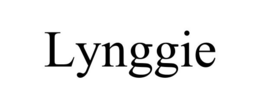
USPTO serial 88670447
LYNGGIE
Reviewed by CopyMark Law Group
- Filing date
- Status date
- Registration date
- —
- Examiner
- COLLOPY, DIANE PATRICIA
- Law office
- TMEG LAW OFFICE 107 - EXAMINING ATTORNEY ASSIGNED
What this means
These status codes mean the trademark application is abandoned and no longer pending. Common reasons include missing an Office Action response (600), filing without a valid basis (602), express abandonment by the applicant (604), or failure to respond to an examiner's inquiry (618). Revival may be possible in limited circumstances. If abandonment was unintentional, consult counsel about a petition to revive. Otherwise file a new application if protection is still needed.
Need help with LYNGGIE?
If you own this trademark, we can monitor new filings and help with USPTO deadlines. If you do not, we can file a new U.S. application.
Owner
Englewood, NJ
Goods and services
| Class | Description | Status | First use |
|---|---|---|---|
| 015 | Autoplaying electronic pianos; Bagpipes; Bass drums; Brass instruments; Bugles; Cases for musical instruments; Chin rests for violins; Concertinas; Conductor's batons; Conductors' batons; Cornets; Drum machines; Drum pedals; Drums; Drumsticks; Electronic musical instruments; Electronic musical keyboards; Flutes; Gongs; Guitar accessories, namely, guitar slides; Guitar armrests; Guitar bridges; Guitar capos; Guitar pedals; Guitar picks; Guitar playing assistance devices, namely, a sliding clamp-like structure positioned onto the guitar neck to form and sound guitar chords and notes; Guitar saddles; Guitar skins for electric guitars; Guitar straps; Guitar strings; Guitars; Handbells;Harmonicas; Harp strings; Harps; Harpsichords; Kazoos; Kettledrum frames; Kettledrums; Keyboard instruments; Lutes; Lyres; Mallets for musical instruments; Mandolins; Musical instrument stands; Musical instruments; Musical keyboard carrying cases; Oboes; Ocarinas; Organs; Pedals for musical instruments; Pegs for musical instruments; Percussion instruments; Piano keyboards; Piano strings; Pianos; Piccolos; Plectrums; Stomp boxes; String instruments; Strings for musical instruments; Tambourines; Trombones; Trumpets; Tuning forks; Tuning hammers; Violins; Wind instruments; Wind pipes for organs; Acoustic guitars; Acoustic bass guitars; Bags and cases specially adapted for holding or carrying drumsticks; Bamboo flutes; Bass drumsticks; Bass guitars; Bongo drums; Chinese flute membranes; Chinese flutes; Chinese vertical bamboo flutes (Xiao); Collapsible guitar stand and seat combination; Conga drums; Electric guitars; Electric bass guitars; Japanese flutes (yokobue); Japanese lutes; Mechanical pianos; Musical instruments, namely, lutes; Musical instruments, namely, bass guitars; Musical instruments, namely, pedal steel guitars; Oriental harps; Player pianos; Plugs for converting open hole flutes to closed hole flutes; Protectors for Chinese flute membranes; Robotic drums; Short bamboo flutes; Skins for drums; Three-stringed Japanese guitars (shamisen) | PARTIALLY PAID | Mar 19, 2019 |
Related trademarks
CopyMark links this record to cited §2(d) serials, the owner's other marks, Nice classes, similar mark names, and recently changed USPTO applications.
Prosecution history
| Date | Code | Event | What it means |
|---|---|---|---|
| Dec 9, 2020 | MAB2 | ABANDONMENT NOTICE E-MAILED - FAILURE TO RESPOND | The trademark application was abandoned because a required response or document was not filed by the deadline — usually a missed Office Action response. The application is dead unless a petition to revive is granted within a limited time. |
| Dec 9, 2020 | ABN2 | ABANDONMENT - FAILURE TO RESPOND OR LATE RESPONSE | The trademark application was abandoned because a required response or document was not filed by the deadline — usually a missed Office Action response. The application is dead unless a petition to revive is granted within a limited time. |
| May 28, 2020 | GNRN | NOTIFICATION OF NON-FINAL ACTION E-MAILED | A non-final Office Action means the USPTO examining attorney has raised at least one issue with your trademark application but has not made a final decision. You usually have three months to respond with arguments, amendments, or evidence. Missing the deadline can abandon the application. |
| May 28, 2020 | GNRT | NON-FINAL ACTION E-MAILED | A non-final Office Action means the USPTO examining attorney has raised at least one issue with your trademark application but has not made a final decision. You usually have three months to respond with arguments, amendments, or evidence. Missing the deadline can abandon the application. |
| May 28, 2020 | CNRT | NON-FINAL ACTION WRITTEN | A non-final Office Action means the USPTO examining attorney has raised at least one issue with your trademark application but has not made a final decision. You usually have three months to respond with arguments, amendments, or evidence. Missing the deadline can abandon the application. |
| May 28, 2020 | RFTP | REMOVED FROM TEAS PLUS | — |
| Apr 7, 2020 | TEME | TEAS/EMAIL CORRESPONDENCE ENTERED | — |
| Apr 6, 2020 | CRFA | CORRESPONDENCE RECEIVED IN LAW OFFICE | — |
| Apr 6, 2020 | TROA | TEAS RESPONSE TO OFFICE ACTION RECEIVED | This event means the applicant filed a response to a USPTO Office Action — typically arguments, amendments, or evidence addressing the examiner's objections. The USPTO will review the response and either allow the mark to proceed or issue another action. |
| Feb 3, 2020 | GNRN | NOTIFICATION OF NON-FINAL ACTION E-MAILED | A non-final Office Action means the USPTO examining attorney has raised at least one issue with your trademark application but has not made a final decision. You usually have three months to respond with arguments, amendments, or evidence. Missing the deadline can abandon the application. |
| Feb 3, 2020 | GNRT | NON-FINAL ACTION E-MAILED | A non-final Office Action means the USPTO examining attorney has raised at least one issue with your trademark application but has not made a final decision. You usually have three months to respond with arguments, amendments, or evidence. Missing the deadline can abandon the application. |
| Feb 3, 2020 | CNRT | NON-FINAL ACTION WRITTEN | A non-final Office Action means the USPTO examining attorney has raised at least one issue with your trademark application but has not made a final decision. You usually have three months to respond with arguments, amendments, or evidence. Missing the deadline can abandon the application. |
| Jan 31, 2020 | DOCK | ASSIGNED TO EXAMINER | — |
| Oct 31, 2019 | NWOS | NEW APPLICATION OFFICE SUPPLIED DATA ENTERED | — |
| Oct 31, 2019 | NWAP | NEW APPLICATION ENTERED | — |