
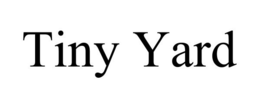
USPTO serial 88744432
TINY YARD
Reviewed by CopyMark Law Group
- Filing date
- Status date
- Registration date
- —
- Examiner
- KAJUBI, ELIZABETH N
- Law office
- TMEG LAW OFFICE 107 - EXAMINING ATTORNEY ASSIGNED
What this means
These status codes mean the trademark application is abandoned and no longer pending. Common reasons include missing an Office Action response (600), filing without a valid basis (602), express abandonment by the applicant (604), or failure to respond to an examiner's inquiry (618). Revival may be possible in limited circumstances. If abandonment was unintentional, consult counsel about a petition to revive. Otherwise file a new application if protection is still needed.
Need help with TINY YARD?
If you own this trademark, we can monitor new filings and help with USPTO deadlines. If you do not, we can file a new U.S. application.
Owner
Goods and services
| Class | Description | Status | First use |
|---|---|---|---|
| 024 | Cotton fabrics; Fabric finish or surface treatment composition sold as a component of finished treated or coated textiles and fabrics to enhance printing of designs and patterns thereon; Fabrics that may or may not have printed patterns and designs thereon for use in textile applications, namely, the manufacture of apparel, upholstery, signage, flags, banners and wallpaper; Knitted fabric; Knitted fabrics; Knitted fabrics of chemical-fiber yarn; Knitted fabrics of cotton yarn; Knitted fabrics of silk yarn; Knitted fabrics of wool yarn; Afghans; Bath gloves; Bath linen; Bath towels; Bed canopies; Bed pads; Bed sheets; Bed spreads; Blanket throws; Blankets for outdoor use; Brocade; Canvas for tapestry or embroidery; Cashmere blankets; Cashmere fabric; Chemical fiber base mixed fabrics; Chemical fiber fabrics; Cheviot fabric; Children's blankets; Children's towels; Cloth banners; Cloth labels; Cloths for removing make-up; Comforters; Contour sheets; Contoured mattress covers; Cotton base mixed fabrics; Cotton fabric; Cotton towels; Coverlets; Covers for cushions; Crepe cloth; Crib bumper pads; Crib bumpers; Crib canopies; Curtain fabric; Diaper changing cloths for babies; Dish towels for drying; Duvet covers; Duvets; Eiderdowns; Fabric bed valances; Fabric diaper stackers; Fabric drapes designed to conceal the act of breastfeeding in public; Fabric imitating animal skins; Fabric valances; Fabric window coverings and treatments, namely, curtains, draperies, sheers, swags and valances; Fireproof upholstery fabrics; Fitted toilet seat covers of textile; Fleece blankets; Gauze fabric; Gift wrap of fabric; Gift wrap of textile; Glass fiber fabrics; Hemp-cotton mixed fabrics; Japanese ceremonial wrapping cloth (Fukusa); Japanese general wrapping cloth (Furoshiki); Jeans fabric; Jersey material; Jute cloth; Kitchen towels; Laid scrim, knit, woven and non-woven reinforcement fabrics made of polyester or fiberglass for industrial applications; Lap rugs; Mattress pads; Metal fiber fabrics; Mole skin; Natural and synthetic fabrics and textiles, namely, cotton, silk, polyester and nylon fabrics; Non-paper doilies; Oil cloths; Paper bed covers; Pet blankets; Pillow cases; Pillow covers; Printed fabric signage panels; Semi-finished plastic products, namely, woven aramid fabrics for use in the manufacture of protective clothing and helmets and in hard armor; Silk fabric for printing patterns; Silk fabrics for printing patterns; Silk-cotton mixed fabrics; Sleeping bag liners; Table linen; Table linen, namely, coasters; Tapestries of textile; Textile fabrics for home and commercial interiors; Textile goods, namely, a synthetic sheet with fragrance for the purpose of inserting into pillow slip and under fitted sheet to emit fragrance; Textile printers' blankets; Textile signage panels; Textile used as lining for clothing; Textile wall hangings; Textile wall hangings, namely, cloth posters; Textiles for digital printing; Ticking fabric; Toilet tank covers made of fabric or fabric substitutes; Towel sets; Towels; Traced cloth for embroidery; Traced cloths for embroidery; Travelling rugs; Travelling rugs; Unfitted fabric covers for vehicle seats; Unfitted fabric furniture covers; Unfitted fabric slipcovers for furniture; Unfitted furniture covers not of paper; Upholstery fabric imitating animal skins; Viscose fabric; Washcloths; Wavy fiber textiles; Window curtains; Wool-cotton mixed fabrics; Woolen cloth; Woolen fabric; Woven fabrics and knitted fabrics; Zephyr fabric | ACTIVE | Feb 27, 2019 |
Related trademarks
CopyMark links this record to cited §2(d) serials, the owner's other marks, Nice classes, similar mark names, and recently changed USPTO applications.
Prosecution history
| Date | Code | Event | What it means |
|---|---|---|---|
| Oct 8, 2020 | MAB2 | ABANDONMENT NOTICE E-MAILED - FAILURE TO RESPOND | The trademark application was abandoned because a required response or document was not filed by the deadline — usually a missed Office Action response. The application is dead unless a petition to revive is granted within a limited time. |
| Oct 8, 2020 | ABN2 | ABANDONMENT - FAILURE TO RESPOND OR LATE RESPONSE | The trademark application was abandoned because a required response or document was not filed by the deadline — usually a missed Office Action response. The application is dead unless a petition to revive is granted within a limited time. |
| Mar 27, 2020 | GNRN | NOTIFICATION OF NON-FINAL ACTION E-MAILED | A non-final Office Action means the USPTO examining attorney has raised at least one issue with your trademark application but has not made a final decision. You usually have three months to respond with arguments, amendments, or evidence. Missing the deadline can abandon the application. |
| Mar 27, 2020 | GNRT | NON-FINAL ACTION E-MAILED | A non-final Office Action means the USPTO examining attorney has raised at least one issue with your trademark application but has not made a final decision. You usually have three months to respond with arguments, amendments, or evidence. Missing the deadline can abandon the application. |
| Mar 27, 2020 | CNRT | NON-FINAL ACTION WRITTEN | A non-final Office Action means the USPTO examining attorney has raised at least one issue with your trademark application but has not made a final decision. You usually have three months to respond with arguments, amendments, or evidence. Missing the deadline can abandon the application. |
| Mar 24, 2020 | DOCK | ASSIGNED TO EXAMINER | — |
| Jan 8, 2020 | NWOS | NEW APPLICATION OFFICE SUPPLIED DATA ENTERED | — |
| Jan 6, 2020 | NWAP | NEW APPLICATION ENTERED | — |