
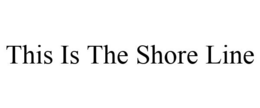
USPTO serial 90300972
THIS IS THE SHORE LINE
Reviewed by CopyMark Law Group
- Filing date
- Status date
- Registration date
- —
- Examiner
- ANKRAH, NAAKWAMA S
- Law office
- TMEG LAW OFFICE 109 - EXAMINING ATTORNEY ASSIGNED
What this means
These status codes mean the trademark application is abandoned and no longer pending. Common reasons include missing an Office Action response (600), filing without a valid basis (602), express abandonment by the applicant (604), or failure to respond to an examiner's inquiry (618). Revival may be possible in limited circumstances. If abandonment was unintentional, consult counsel about a petition to revive. Otherwise file a new application if protection is still needed.
Need help with THIS IS THE SHORE LINE?
If you own this trademark, we can monitor new filings and help with USPTO deadlines. If you do not, we can file a new U.S. application.
Owner
Attorney of record
The USPTO lists this attorney as the applicant's representative for correspondence on this application.
Joseph L. Lindsay, Esq.
Joseph L. Lindsay, Esq. LINDSAY & ALLEN, PLLC13180 LIVINGSTON ROAD, SUITE 206NAPLES, FL 34109UNITED STATESGoods and services
| Class | Description | Status | First use |
|---|---|---|---|
| 025 | Cloth bibs; Cloth bibs for adult diners; Cloth bibs for use by senior citizens or physically- or mentally-challenged persons; Clothing extenders for vests, waistbands for men, women, and children; Clothing extension used to extend the normal size range of clothing items to accommodate pregnancy size changes; Clothing for athletic use, namely, padded pants; Clothing for athletic use, namely, padded shirts; Clothing for athletic use, namely, padded shorts; Clothing for babies, toddlers and children, treated with fire and heat retardants, namely, pajamas, jackets, shirts, pants, jumpers; Clothing for wear in judo practices; Clothing for wear in wrestling games; Clothing items, namely, adhesive pockets that may be affixed directly to the body as a decorative piece of clothing with utility; Clothing items, namely, adhesive pockets that may be affixed directly to the inside of clothing for storage and safekeeping of personal items; Clothing items, namely, blindfolds worn over the eyes; Clothing items, namely, gags worn over the mouth; Clothing layettes; Clothing shields, namely, pads applied to the underarms of shirts, blouses and sweaters; Clothing straps for men, women, and children for trousers, jumpsuits, bras, dresses, halter tops; Clothing wraps; Clothing, namely, arm warmers; Clothing, namely, base layers; Clothing, namely, cowls and smoke ring scarves; Clothing, namely, crops; Clothing, namely, folk costumes; Clothing, namely, hand-warmers; Clothing, namely, khakis; Clothing, namely, knee warmers; Clothing, namely, maternity bands; Clothing, namely, neck tubes; Clothing, namely, neck warmers; Clothing, namely, thobes; Clothing, namely, wrap-arounds; Adult novelty gag clothing item, namely, socks; Belts; Belts for clothing; Belts made out of cloth; Body suits for men, women, and children; Bottoms as clothing; Bottoms as clothing for men, women, and children; Children's cloth eating bibs; Children's and infants' cloth bibs; Coats for men, women, and children; Collar guards for protecting clothing collars; Collar liners for protecting clothing collars; Collar protector pads for application to clothing collars; Collar protector strips for application to clothing collars; Combinations; Corsets being clothing; Corsets being foundation clothing; Drawers as clothing; Dresses for women; Ear warmers being clothes; Embroidered clothing, namely, shirts, dresses, outerwear, namely, coats, hats, gloves; Fingerless gloves as clothing; Foulards; Furs being clothing; Gloves as clothing; Head wraps; Headwear for men, women, and children; Hooded sweatshirts for men, women, and children; Hoodies; Hoods; Infant and toddler one piece clothing; Infant sleepers being clothing; Jackets; Jackets for men, women, and children; Jerseys; Knitwear, namely, sweaters, dresses; Korean traditional tops as clothing (Jeogori); Leather belts; Leather harnesses worn by people as clothing; Mantles; Maternity clothing, namely, dresses, shirts; Non-disposable cloth training pants; Outerwear, namely, jackets, coats; Pajamas for men, women, and children; Pants for men, women, and children; Paper hats for use as clothing items; Parts of clothing, namely, gussets for tights, gussets for stockings, gussets for bathing suits, gussets for underwear, gussets for leotards and gussets for footlets; Parts of clothing, namely, underarm gussets; Perspiration absorbent underwear clothing; Pockets for clothing; Postpartum clothing, namely, dresses, tops; Ready-made linings being parts of clothing; Shifts as clothing; Shirts for men, women, and children; Shoes for men, women, and children; Short sets; Shorts for men, women, and children; Shoulder wraps; Shoulder wraps for clothing; Swaddling clothes; Sweaters for men, women, and children; Sweatpants for men, women, and children; Sweatshirts for men, women, and children; T-shirts for men, women, and children; Ties as clothing; Tops as clothing; Tops as clothing for men, women, and children; Travel clothing contained in a package comprising reversible jackets, pants, skirts, tops and a belt or scarf; Triathlon clothing, namely, triathlon tights, triathlon shorts, triathlon singlets, triathlon shirts, triathlon suits; Trousers for men, women, and children; Trunks being clothing; Underarm clothing shields; Wearable garments and clothing, namely, shirts; Women's clothing, namely, shirts, dresses, skirts, blouses; Woven shirts for men, women, and children; Wrist bands as clothing; Wristbands as clothing | ACTIVE | Mar 22, 2022 |
Related trademarks
CopyMark links this record to cited §2(d) serials, the owner's other marks, Nice classes, similar mark names, and recently changed USPTO applications.
Prosecution history
| Date | Code | Event | What it means |
|---|---|---|---|
| Dec 2, 2022 | MAB2 | ABANDONMENT NOTICE E-MAILED - FAILURE TO RESPOND | The trademark application was abandoned because a required response or document was not filed by the deadline — usually a missed Office Action response. The application is dead unless a petition to revive is granted within a limited time. |
| Dec 2, 2022 | MAB2 | ABANDONMENT NOTICE MAILED - FAILURE TO RESPOND | The trademark application was abandoned because a required response or document was not filed by the deadline — usually a missed Office Action response. The application is dead unless a petition to revive is granted within a limited time. |
| Dec 2, 2022 | ABN2 | ABANDONMENT - FAILURE TO RESPOND OR LATE RESPONSE | The trademark application was abandoned because a required response or document was not filed by the deadline — usually a missed Office Action response. The application is dead unless a petition to revive is granted within a limited time. |
| May 20, 2022 | GNRN | NOTIFICATION OF NON-FINAL ACTION E-MAILED | A non-final Office Action means the USPTO examining attorney has raised at least one issue with your trademark application but has not made a final decision. You usually have three months to respond with arguments, amendments, or evidence. Missing the deadline can abandon the application. |
| May 20, 2022 | GNRT | NON-FINAL ACTION E-MAILED | A non-final Office Action means the USPTO examining attorney has raised at least one issue with your trademark application but has not made a final decision. You usually have three months to respond with arguments, amendments, or evidence. Missing the deadline can abandon the application. |
| May 20, 2022 | CNRT | SU - NON-FINAL ACTION - WRITTEN | A non-final Office Action means the USPTO examining attorney has raised at least one issue with your trademark application but has not made a final decision. You usually have three months to respond with arguments, amendments, or evidence. Missing the deadline can abandon the application. |
| Apr 1, 2022 | EXRA | NOTICE OF APPROVAL OF EXTENSION REQUEST E-MAILED | — |
| Mar 31, 2022 | SUPC | STATEMENT OF USE PROCESSING COMPLETE | — |
| Mar 31, 2022 | EX1G | SOU EXTENSION 1 GRANTED | — |
| Mar 31, 2022 | AITU | CASE ASSIGNED TO INTENT TO USE PARALEGAL | — |
| Mar 24, 2022 | IUAF | USE AMENDMENT FILED | — |
| Mar 24, 2022 | EXT1 | SOU EXTENSION 1 FILED | — |
| Mar 24, 2022 | EEXT | SOU TEAS EXTENSION RECEIVED | The applicant requested more time to file a Statement of Use before the Notice of Allowance deadline. Each extension typically adds six months. A limited number of extensions are available for intent-to-use applications not yet in use. |
| Mar 24, 2022 | EISU | TEAS STATEMENT OF USE RECEIVED | The applicant filed a Statement of Use with specimens showing the mark in actual commerce. The USPTO will review the filing for compliance. If accepted, the mark can proceed to registration; if deficient, the USPTO may issue a requirement or office action. |
| Sep 28, 2021 | NOAM | NOA E-MAILED - SOU REQUIRED FROM APPLICANT | A Notice of Allowance means your intent-to-use application cleared examination and opposition but is not registered yet. You must file a Statement of Use showing the mark in commerce, or request an extension, before the deadline — usually six months from the notice date. |
| Aug 3, 2021 | NPUB | OFFICIAL GAZETTE PUBLICATION CONFIRMATION E-MAILED | — |
| Aug 3, 2021 | PUBO | PUBLISHED FOR OPPOSITION | Your mark was published in the USPTO Official Gazette for a 30-day opposition window. During that period, third parties who believe they would be harmed can file an opposition. If no opposition is filed, prosecution usually continues toward registration or a Notice of Allowance. |
| Jul 14, 2021 | NONP | NOTIFICATION OF NOTICE OF PUBLICATION E-MAILED | — |
| Jun 29, 2021 | CNSA | APPROVED FOR PUB - PRINCIPAL REGISTER | — |
| Jun 28, 2021 | TEME | TEAS/EMAIL CORRESPONDENCE ENTERED | — |
| Jun 28, 2021 | CRFA | CORRESPONDENCE RECEIVED IN LAW OFFICE | — |
| Jun 28, 2021 | TROA | TEAS RESPONSE TO OFFICE ACTION RECEIVED | This event means the applicant filed a response to a USPTO Office Action — typically arguments, amendments, or evidence addressing the examiner's objections. The USPTO will review the response and either allow the mark to proceed or issue another action. |
| Jun 25, 2021 | GNRN | NOTIFICATION OF NON-FINAL ACTION E-MAILED | A non-final Office Action means the USPTO examining attorney has raised at least one issue with your trademark application but has not made a final decision. You usually have three months to respond with arguments, amendments, or evidence. Missing the deadline can abandon the application. |
| Jun 25, 2021 | GNRT | NON-FINAL ACTION E-MAILED | A non-final Office Action means the USPTO examining attorney has raised at least one issue with your trademark application but has not made a final decision. You usually have three months to respond with arguments, amendments, or evidence. Missing the deadline can abandon the application. |
| Jun 25, 2021 | CNRT | NON-FINAL ACTION WRITTEN | A non-final Office Action means the USPTO examining attorney has raised at least one issue with your trademark application but has not made a final decision. You usually have three months to respond with arguments, amendments, or evidence. Missing the deadline can abandon the application. |
| Jun 1, 2021 | ZZZX | PREVIOUS ALLOWANCE COUNT WITHDRAWN | — |
| May 4, 2021 | PBCR | WITHDRAWN FROM PUB - OG REVIEW QUERY | — |
| Apr 20, 2021 | CNSA | APPROVED FOR PUB - PRINCIPAL REGISTER | — |
| Apr 20, 2021 | XAEC | EXAMINER'S AMENDMENT ENTERED | — |
| Apr 20, 2021 | GNEN | NOTIFICATION OF EXAMINERS AMENDMENT E-MAILED | — |
| Apr 20, 2021 | GNEA | EXAMINERS AMENDMENT E-MAILED | — |
| Apr 20, 2021 | CNEA | EXAMINERS AMENDMENT -WRITTEN | — |
| Apr 12, 2021 | DOCK | ASSIGNED TO EXAMINER | — |
| Jan 6, 2021 | NWOS | NEW APPLICATION OFFICE SUPPLIED DATA ENTERED | — |
| Nov 9, 2020 | NWAP | NEW APPLICATION ENTERED | — |