
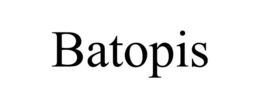
USPTO serial 90443664
BATOPIS
Reviewed by CopyMark Law Group
- Filing date
- Status date
- Registration date
- —
- Examiner
- DUBOIS, MICHELLE
- Law office
- TMEG LAW OFFICE 107 - EXAMINING ATTORNEY ASSIGNED
What this means
These status codes mean the trademark application is abandoned and no longer pending. Common reasons include missing an Office Action response (600), filing without a valid basis (602), express abandonment by the applicant (604), or failure to respond to an examiner's inquiry (618). Revival may be possible in limited circumstances. If abandonment was unintentional, consult counsel about a petition to revive. Otherwise file a new application if protection is still needed.
Need help with BATOPIS?
If you own this trademark, we can monitor new filings and help with USPTO deadlines. If you do not, we can file a new U.S. application.
Owner
Guizhou Province, CN
Attorney of record
The USPTO lists this attorney as the applicant's representative for correspondence on this application.
Steven W. Weinrieb
8717 COLD SPRING ROADPOTOMAC, MD 20854UNITED STATESGoods and services
| Class | Description | Status | First use |
|---|---|---|---|
| 028 | Paragliders; Sailboards; Targets; Archery implements; Ball pitching machines; Baseball bats; Bats for games; Batting gloves; Bows for archery; Chess games; Climbers' harness; Face masks being playthings; Fishing tackle; Infant toys; Ornaments for Christmas trees, except lights, candles and confectionery; Toy for pets | ACTIVE | Nov 29, 2020 |
Related trademarks
CopyMark links this record to cited §2(d) serials, the owner's other marks, Nice classes, similar mark names, and recently changed USPTO applications.
Prosecution history
| Date | Code | Event | What it means |
|---|---|---|---|
| Sep 23, 2022 | MAB2 | ABANDONMENT NOTICE E-MAILED - FAILURE TO RESPOND | The trademark application was abandoned because a required response or document was not filed by the deadline — usually a missed Office Action response. The application is dead unless a petition to revive is granted within a limited time. |
| Sep 23, 2022 | MAB2 | ABANDONMENT NOTICE MAILED - FAILURE TO RESPOND | The trademark application was abandoned because a required response or document was not filed by the deadline — usually a missed Office Action response. The application is dead unless a petition to revive is granted within a limited time. |
| Sep 23, 2022 | ABN2 | ABANDONMENT - FAILURE TO RESPOND OR LATE RESPONSE | The trademark application was abandoned because a required response or document was not filed by the deadline — usually a missed Office Action response. The application is dead unless a petition to revive is granted within a limited time. |
| Feb 24, 2022 | GNRN | NOTIFICATION OF NON-FINAL ACTION E-MAILED | A non-final Office Action means the USPTO examining attorney has raised at least one issue with your trademark application but has not made a final decision. You usually have three months to respond with arguments, amendments, or evidence. Missing the deadline can abandon the application. |
| Feb 24, 2022 | GNRT | NON-FINAL ACTION E-MAILED | A non-final Office Action means the USPTO examining attorney has raised at least one issue with your trademark application but has not made a final decision. You usually have three months to respond with arguments, amendments, or evidence. Missing the deadline can abandon the application. |
| Feb 24, 2022 | CNRT | NON-FINAL ACTION WRITTEN | A non-final Office Action means the USPTO examining attorney has raised at least one issue with your trademark application but has not made a final decision. You usually have three months to respond with arguments, amendments, or evidence. Missing the deadline can abandon the application. |
| Jan 14, 2022 | TEME | TEAS/EMAIL CORRESPONDENCE ENTERED | — |
| Jan 14, 2022 | CRFA | CORRESPONDENCE RECEIVED IN LAW OFFICE | — |
| Jan 14, 2022 | CHAN | APPLICANT/CORRESPONDENCE CHANGES (NON-RESPONSIVE) ENTERED | — |
| Jan 13, 2022 | ALIE | ASSIGNED TO LIE | — |
| Jan 11, 2022 | TROA | TEAS RESPONSE TO OFFICE ACTION RECEIVED | This event means the applicant filed a response to a USPTO Office Action — typically arguments, amendments, or evidence addressing the examiner's objections. The USPTO will review the response and either allow the mark to proceed or issue another action. |
| Jan 7, 2022 | TCCA | TEAS CHANGE OF CORRESPONDENCE RECEIVED | — |
| Jul 15, 2021 | GNRN | NOTIFICATION OF NON-FINAL ACTION E-MAILED | A non-final Office Action means the USPTO examining attorney has raised at least one issue with your trademark application but has not made a final decision. You usually have three months to respond with arguments, amendments, or evidence. Missing the deadline can abandon the application. |
| Jul 15, 2021 | GNRT | NON-FINAL ACTION E-MAILED | A non-final Office Action means the USPTO examining attorney has raised at least one issue with your trademark application but has not made a final decision. You usually have three months to respond with arguments, amendments, or evidence. Missing the deadline can abandon the application. |
| Jul 15, 2021 | CNRT | NON-FINAL ACTION WRITTEN | A non-final Office Action means the USPTO examining attorney has raised at least one issue with your trademark application but has not made a final decision. You usually have three months to respond with arguments, amendments, or evidence. Missing the deadline can abandon the application. |
| Jul 12, 2021 | DOCK | ASSIGNED TO EXAMINER | — |
| Mar 31, 2021 | NWOS | NEW APPLICATION OFFICE SUPPLIED DATA ENTERED | — |
| Jan 5, 2021 | NWAP | NEW APPLICATION ENTERED | — |