
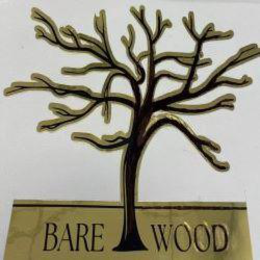
USPTO serial 90860963
BARE WOOD
Reviewed by CopyMark Law Group
- Filing date
- Status date
- Registration date
- Oct 8, 2024
- Examiner
- NKOJO, RHODA K
- Law office
- PUBLICATION AND ISSUE SECTION
What this means
Status 700 means the trademark is registered and active on the Principal Register. You have nationwide rights for the listed goods and services and may use ®. Section 8 maintenance is due between years five and six. Calendar Section 8 between years five and six, and consider trademark monitoring.
Need help with BARE WOOD?
If you own this trademark, we can monitor new filings and help with USPTO deadlines. If you do not, we can file a new U.S. application.
Current trademark owner
Monitor this mark, or talk with CopyMark about this registration.
Not the owner?
File a new U.S. trademark application, or speak with our attorneys.
Owner
Foristell, MO
Foristell, MO
Lake Saint Louis, MO
Goods and services
| Class | Description | Status | First use |
|---|---|---|---|
| 033 | Acanthopanax wine (Ogapiju); Aguardiente; Alcoholic beverages containing fruit; Alcoholic beverages except beers; Alcoholic beverages, except beer; Alcoholic beverages, namely, digestifs; Alcoholic beverages, namely, flavor-infused whiskey; Alcoholic carbonated beverages, except beer; Alcoholic cocktail mixes; Alcoholic cocktails containing milk; Alcoholic cocktails in the form of chilled gelatins; Alcoholic cocktails in the form of frozen pops; Alcoholic cocktails in the form of non-chilled gelatins; Alcoholic coffee-based beverage; Alcoholic cordials; Alcoholic egg nog; Alcoholic energy drinks; Alcoholic extracts; Alcoholic flavored brewed malt beverages, except beers; Alcoholic fruit beverages; Alcoholic fruit cocktail drinks; Alcoholic fruit extracts; Alcoholic malt beverages, except beers; Alcoholic malt coolers; Alcoholic mixed beverages except beers; Alcoholic punch; Alcoholic punches; Alcoholic tea-based beverage; Alcoholic wines; Alcopops; Amontillado; Anise; Aperitif wines; Aperitifs with a distilled alcoholic liquor base; Aperitifs with a wine base; Aquavit; Arak; Arrack; Baijiu; Black raspberry wine (Bokbunjaju); Blackcurrant liqueur; Blended spirits; Blended whisky; Bourbon; Bourbon whisky; Brandy; Brandy spirits; Cachaca; Calvados; Cava; Champagne; Cherry brandy; Cooking wine; Corn whiskey; Cream liqueurs; Curacao; Dessert wines; Distilled agave liquor; Distilled blue agave liquor; Distilled spirits; Distilled spirits of rice (awamori); Dry cider; Extracts of spiritous liquors; Extracts of spirituous liquors; Flavored malt-based alcoholic beverages, excluding beers; Flavored tonic liquors; Fortified wines; Fruit extracts, alcoholic; Fruit wine; Gin; Grain-based distilled alcoholic beverages; Grape wine; Grappa; Hard cider; Hard lemonade; Hard seltzer; Herb liqueurs; Honey wine; Hydromel; Irish whiskey; Limoncello (lemon liqueur); Liqueurs; Liqueurs containing cream; Liquor; Liquor in ice cream form; Malt whisky; Marc being brandy; Mead; Mescal; Mezcal; Mulled wine; Natural sparkling wines; Neera; Peppermint liqueurs; Perry; Piquette; Pommeau; Port; Port wines; Potable spirits; Prepared alcoholic cocktail; Prepared cocktails consisting primarily of distilled spirits and also including beer; Prepared wine cocktails; Ready-to-drink alcoholic beverages, other than beer-based; Red wine; Red wines; Rice alcohol; Rose wine; Rose wines; Rum; Rum infused with vitamins; Rum punch; Rum-based beverages; Sake; whisky produced in Missouri; Sherry; Shochu (spirits); Sloe gin; Sparkling fruit wine; Sparkling grape wine; Sparkling mead; Sparkling red wines; Sparkling white wines; Sparkling wines; Spirits; Spirits and liqueurs; Still wines; Strawberry wine; Sugar cane juice rum; Sugarcane-based alcoholic beverages; Sweet wines; Table wines; Tonic liquor containing mamushi-snake extracts (mamushi-zake); Tonic liquor flavored with Japanese plum extracts (umeshu); Tonic liquor flavored with pine needle extracts (matsuba-zake); Tonic sweet grape wine containing extracts from ginseng and conchona bark (ninjin-kinatetsu wine); Vermouth; Vodka; Whiskey; Whisky; White wine; White wines; Wine; Wine coolers being drinks; Wine punch; Wine punches; Wine spritzers; Wine-based aperitifs; Wine-based beverage, namely, piquette; Wine-based drinks; Wines; Wines and fortified wines; Wines and liqueurs; Wines and sparkling wines | ACTIVE | Jan 9, 2024 |
Related trademarks
CopyMark links this record to cited §2(d) serials, the owner's other marks, Nice classes, similar mark names, and recently changed USPTO applications.
Prosecution history
| Date | Code | Event | What it means |
|---|---|---|---|
| Oct 8, 2024 | NRCC | NOTICE OF REGISTRATION CONFIRMATION EMAILED | — |
| Oct 8, 2024 | R.PR | REGISTERED-PRINCIPAL REGISTER | Your trademark is registered on the Principal Register — the strongest form of federal trademark protection. You may use the ® symbol for the covered goods and services. Maintenance filings (Section 8 and renewals) are required to keep the registration alive. |
| Sep 4, 2024 | SUNA | NOTICE OF ACCEPTANCE OF STATEMENT OF USE E-MAILED | — |
| Sep 4, 2024 | CNPR | ALLOWED PRINCIPAL REGISTER - SOU ACCEPTED | — |
| Sep 4, 2024 | XAEC | EXAMINER'S AMENDMENT ENTERED | — |
| Sep 4, 2024 | GNEN | NOTIFICATION OF EXAMINERS AMENDMENT E-MAILED | — |
| Sep 4, 2024 | GNEA | EXAMINERS AMENDMENT E-MAILED | — |
| Sep 4, 2024 | SNEA | SU-EXAMINER'S AMENDMENT WRITTEN | — |
| Sep 2, 2024 | XAEC | EXAMINER'S AMENDMENT ENTERED | — |
| Sep 2, 2024 | GNEN | NOTIFICATION OF EXAMINERS AMENDMENT E-MAILED | — |
| Sep 2, 2024 | GNEA | EXAMINERS AMENDMENT E-MAILED | — |
| Sep 2, 2024 | SNEA | SU-EXAMINER'S AMENDMENT WRITTEN | — |
| Aug 1, 2024 | TEME | TEAS/EMAIL CORRESPONDENCE ENTERED | — |
| Aug 1, 2024 | CRFA | CORRESPONDENCE RECEIVED IN LAW OFFICE | — |
| Aug 1, 2024 | ALIE | ASSIGNED TO LIE | — |
| Feb 14, 2024 | TROA | TEAS RESPONSE TO OFFICE ACTION RECEIVED | This event means the applicant filed a response to a USPTO Office Action — typically arguments, amendments, or evidence addressing the examiner's objections. The USPTO will review the response and either allow the mark to proceed or issue another action. |
| Feb 6, 2024 | GNRN | NOTIFICATION OF NON-FINAL ACTION E-MAILED | A non-final Office Action means the USPTO examining attorney has raised at least one issue with your trademark application but has not made a final decision. You usually have three months to respond with arguments, amendments, or evidence. Missing the deadline can abandon the application. |
| Feb 6, 2024 | GNRT | NON-FINAL ACTION E-MAILED | A non-final Office Action means the USPTO examining attorney has raised at least one issue with your trademark application but has not made a final decision. You usually have three months to respond with arguments, amendments, or evidence. Missing the deadline can abandon the application. |
| Feb 6, 2024 | CNRT | SU - NON-FINAL ACTION - WRITTEN | A non-final Office Action means the USPTO examining attorney has raised at least one issue with your trademark application but has not made a final decision. You usually have three months to respond with arguments, amendments, or evidence. Missing the deadline can abandon the application. |
| Jan 16, 2024 | SUPC | STATEMENT OF USE PROCESSING COMPLETE | — |
| Jan 12, 2024 | IUAF | USE AMENDMENT FILED | — |
| Jan 12, 2024 | EISU | TEAS STATEMENT OF USE RECEIVED | The applicant filed a Statement of Use with specimens showing the mark in actual commerce. The USPTO will review the filing for compliance. If accepted, the mark can proceed to registration; if deficient, the USPTO may issue a requirement or office action. |
| Oct 13, 2023 | EXRA | NOTICE OF APPROVAL OF EXTENSION REQUEST E-MAILED | — |
| Oct 12, 2023 | EX2G | SOU EXTENSION 2 GRANTED | — |
| Oct 10, 2023 | AITU | CASE ASSIGNED TO INTENT TO USE PARALEGAL | — |
| Sep 15, 2023 | NREV | NOTICE OF REVIVAL - E-MAILED | — |
| Sep 15, 2023 | TPEX | SOU EXTENSION RECEIVED WITH TEAS PETITION | — |
| Sep 15, 2023 | NREV | NOTICE OF REVIVAL - E-MAILED | — |
| Sep 15, 2023 | PETG | PETITION TO REVIVE-GRANTED | — |
| Sep 15, 2023 | PROA | TEAS PETITION TO REVIVE RECEIVED | — |
| Sep 5, 2023 | MAB6 | ABANDONMENT NOTICE E-MAILED - NO USE STATEMENT FILED | The intent-to-use application was abandoned because no acceptable Statement of Use (or valid extension) was filed before the Notice of Allowance deadline expired. The application is dead unless revived within a limited window. |
| Sep 4, 2023 | ABN6 | ABANDONMENT - NO USE STATEMENT FILED | The intent-to-use application was abandoned because no acceptable Statement of Use (or valid extension) was filed before the Notice of Allowance deadline expired. The application is dead unless revived within a limited window. |
| Aug 2, 2023 | EXT2 | SOU EXTENSION 2 FILED | — |
| Jan 24, 2023 | EXRA | NOTICE OF APPROVAL OF EXTENSION REQUEST E-MAILED | — |
| Jan 20, 2023 | EX1G | SOU EXTENSION 1 GRANTED | — |
| Jan 20, 2023 | EXT1 | SOU EXTENSION 1 FILED | — |
| Jan 20, 2023 | EEXT | SOU TEAS EXTENSION RECEIVED | The applicant requested more time to file a Statement of Use before the Notice of Allowance deadline. Each extension typically adds six months. A limited number of extensions are available for intent-to-use applications not yet in use. |
| Aug 2, 2022 | NOAM | NOA E-MAILED - SOU REQUIRED FROM APPLICANT | A Notice of Allowance means your intent-to-use application cleared examination and opposition but is not registered yet. You must file a Statement of Use showing the mark in commerce, or request an extension, before the deadline — usually six months from the notice date. |
| Jun 7, 2022 | NPUB | OFFICIAL GAZETTE PUBLICATION CONFIRMATION E-MAILED | — |
| Jun 7, 2022 | PUBO | PUBLISHED FOR OPPOSITION | Your mark was published in the USPTO Official Gazette for a 30-day opposition window. During that period, third parties who believe they would be harmed can file an opposition. If no opposition is filed, prosecution usually continues toward registration or a Notice of Allowance. |
| May 25, 2022 | DOCK | ASSIGNED TO EXAMINER | — |
| May 18, 2022 | NONP | NOTIFICATION OF NOTICE OF PUBLICATION E-MAILED | — |
| Apr 30, 2022 | CNSA | APPROVED FOR PUB - PRINCIPAL REGISTER | — |
| Apr 30, 2022 | XAEC | EXAMINER'S AMENDMENT ENTERED | — |
| Apr 30, 2022 | GNEN | NOTIFICATION OF EXAMINERS AMENDMENT E-MAILED | — |
| Apr 30, 2022 | GNEA | EXAMINERS AMENDMENT E-MAILED | — |
| Apr 30, 2022 | CNEA | EXAMINERS AMENDMENT -WRITTEN | — |
| Apr 29, 2022 | DOCK | ASSIGNED TO EXAMINER | — |
| Sep 29, 2021 | MDSC | NOTICE OF DESIGN SEARCH CODE E-MAILED | — |
| Sep 28, 2021 | NWOS | NEW APPLICATION OFFICE SUPPLIED DATA ENTERED | — |
| Aug 5, 2021 | NWAP | NEW APPLICATION ENTERED | — |