
USPTO serial 98847133
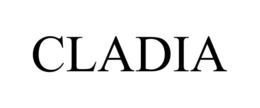
CLADIA
Reviewed by CopyMark Law Group
- Filing date
- Status date
- Registration date
- —
- Examiner
- MCCARTHY, JOSEPH PATRICK
- Law office
- PUBLICATION AND ISSUE SECTION
What this means
Status 686 means your mark is published in the USPTO Official Gazette and in the 30-day opposition period. If no opposition is filed, prosecution typically continues toward registration or a Notice of Allowance. Monitor the opposition window. After it closes, watch for Notice of Allowance (intent-to-use) or registration (use-based).
Need help with CLADIA?
If you own this trademark, we can monitor new filings and help with USPTO deadlines. If you do not, we can file a new U.S. application.
Owner
FONTANAFREDDA (PN), IT
FONTANAFREDDA (PN), IT
Attorney of record
The USPTO lists this attorney as the applicant's representative for correspondence on this application.
Alexander Lazouski
Alexander Lazouski Lazouski IP LLCSuite 1, 14726 Bowfin Ter.Lakewood Ranch, FL 34202United StatesGoods and services
| Class | Description | Status | First use |
|---|---|---|---|
| 019 | Platforms, prefabricated, not of metal; Crash barriers, not of metal, for roads; Cabanas, not of metal; Lime building materials; Concrete; Prefabricated houses, not of metal; Shuttering, not of metal, for concrete; Cement; Prefabricated Buildings, not of metal; Concrete building elements in the nature of blocks, bricks, slabs, and panels; asphalt based Coatings for use on building materials; Cement slabs; Paving slabs, not of metal; Slabs, not of metal, for building; Paving blocks, not of metal; Mortar for building; Building materials, not of metal consisting of lime, gypsum, serpentine, tuff, concrete; Building panels, not of metal; Floor tiles, not of metal; Floors, not of metal; Cladding, not of metal, for building; Non-metal wainscotting; Wall claddings, not of metal, for building; Sills, not of metal, namely, window sills | ACTIVE | — |
Related trademarks
CopyMark links this record to cited §2(d) serials, the owner's other marks, Nice classes, similar mark names, and recently changed USPTO applications.
Prosecution history
| Date | Code | Event | What it means |
|---|---|---|---|
| Nov 3, 2026 | NPUB | OFFICIAL GAZETTE PUBLICATION CONFIRMATION E-MAILED | — |
| Nov 3, 2026 | PUBO | PUBLISHED FOR OPPOSITION | Your mark was published in the USPTO Official Gazette for a 30-day opposition window. During that period, third parties who believe they would be harmed can file an opposition. If no opposition is filed, prosecution usually continues toward registration or a Notice of Allowance. |
| Oct 28, 2026 | NONP | NOTIFICATION OF NOTICE OF PUBLICATION E-MAILED | — |
| Oct 1, 2026 | CNSA | APPROVED FOR PUB - PRINCIPAL REGISTER | — |
| Sep 9, 2026 | TEME | TEAS/EMAIL CORRESPONDENCE ENTERED | — |
| Sep 9, 2026 | CRFA | CORRESPONDENCE RECEIVED IN LAW OFFICE | — |
| Sep 9, 2026 | TROA | TEAS RESPONSE TO OFFICE ACTION RECEIVED | This event means the applicant filed a response to a USPTO Office Action — typically arguments, amendments, or evidence addressing the examiner's objections. The USPTO will review the response and either allow the mark to proceed or issue another action. |
| Aug 11, 2026 | GNRN | NOTIFICATION OF NON-FINAL ACTION E-MAILED | A non-final Office Action means the USPTO examining attorney has raised at least one issue with your trademark application but has not made a final decision. You usually have three months to respond with arguments, amendments, or evidence. Missing the deadline can abandon the application. |
| Aug 11, 2026 | GNRT | NON-FINAL ACTION E-MAILED | A non-final Office Action means the USPTO examining attorney has raised at least one issue with your trademark application but has not made a final decision. You usually have three months to respond with arguments, amendments, or evidence. Missing the deadline can abandon the application. |
| Aug 11, 2026 | CNRT | NON-FINAL ACTION WRITTEN | A non-final Office Action means the USPTO examining attorney has raised at least one issue with your trademark application but has not made a final decision. You usually have three months to respond with arguments, amendments, or evidence. Missing the deadline can abandon the application. |
| Aug 11, 2026 | ZZZX | PREVIOUS ALLOWANCE COUNT WITHDRAWN | — |
| Jun 27, 2025 | ERRR | ON HOLD - ELECTRONIC RECORD REVIEW REQUIRED | — |
| Jun 13, 2025 | CNSA | APPROVED FOR PUB - PRINCIPAL REGISTER | — |
| Jun 12, 2025 | TEME | TEAS/EMAIL CORRESPONDENCE ENTERED | — |
| Jun 12, 2025 | CRFA | CORRESPONDENCE RECEIVED IN LAW OFFICE | — |
| Jun 12, 2025 | TROA | TEAS RESPONSE TO OFFICE ACTION RECEIVED | This event means the applicant filed a response to a USPTO Office Action — typically arguments, amendments, or evidence addressing the examiner's objections. The USPTO will review the response and either allow the mark to proceed or issue another action. |
| May 13, 2025 | GNRN | NOTIFICATION OF NON-FINAL ACTION E-MAILED | A non-final Office Action means the USPTO examining attorney has raised at least one issue with your trademark application but has not made a final decision. You usually have three months to respond with arguments, amendments, or evidence. Missing the deadline can abandon the application. |
| May 13, 2025 | GNRT | NON-FINAL ACTION E-MAILED | A non-final Office Action means the USPTO examining attorney has raised at least one issue with your trademark application but has not made a final decision. You usually have three months to respond with arguments, amendments, or evidence. Missing the deadline can abandon the application. |
| May 13, 2025 | CNRT | NON-FINAL ACTION WRITTEN | A non-final Office Action means the USPTO examining attorney has raised at least one issue with your trademark application but has not made a final decision. You usually have three months to respond with arguments, amendments, or evidence. Missing the deadline can abandon the application. |
| May 7, 2025 | DOCK | ASSIGNED TO EXAMINER | — |
| Apr 26, 2025 | NWOS | NEW APPLICATION OFFICE SUPPLIED DATA ENTERED | — |
| Nov 11, 2024 | NWAP | NEW APPLICATION ENTERED | — |