
USPTO serial 99231970
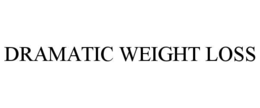
DRAMATIC WEIGHT LOSS
Reviewed by CopyMark Law Group
Status 645Office Action
- Filing date
- Status date
- Registration date
- —
- Examiner
- IN, SUNG HYUN
- Law office
- TMEG LAW OFFICE 103
What this means
The USPTO has issued an Office Action on this application. A response is typically required before the deadline, or the application can be abandoned.
Need help with DRAMATIC WEIGHT LOSS?
If you own this trademark, we can monitor new filings and help with USPTO deadlines. If you do not, we can file a new U.S. application.
Current trademark owner
Get help with this Office Action, set up monitoring, or talk with CopyMark.
Not the owner?
File a new U.S. trademark application, or speak with our attorneys.
Owner
Attorney of record
The USPTO lists this attorney as the applicant's representative for correspondence on this application.
Robert A. Madayag
Robert A. Madayag Lee & Hayes PC601 W Riverside Ave. Suite 1400SPOKANE, WA 99201United StatesGoods and services
| Class | Description | Status | First use |
|---|---|---|---|
| 044 | Providing weight loss program services | ACTIVE | — |
Related trademarks
CopyMark links this record to cited §2(d) serials, the owner's other marks, Nice classes, similar mark names, and recently changed USPTO applications.
Prosecution history
| Date | Code | Event | What it means |
|---|---|---|---|
| Aug 21, 2026 | TEME | TEAS/EMAIL CORRESPONDENCE ENTERED | — |
| Aug 21, 2026 | CRFA | CORRESPONDENCE RECEIVED IN LAW OFFICE | — |
| Aug 21, 2026 | ERFR | TEAS REQUEST FOR RECONSIDERATION RECEIVED | — |
| Jun 3, 2026 | XELG | APPLICATION EXTENSION GRANTED/RECEIPT PROVIDED | — |
| Jun 3, 2026 | XELR | APPLICATION EXTENSION TO RESPONSE PERIOD - RECEIVED | — |
| Mar 3, 2026 | GNFN | NOTIFICATION OF FINAL REFUSAL EMAILED | — |
| Mar 3, 2026 | GNFR | FINAL REFUSAL E-MAILED | A final Office Action (final refusal) means the examining attorney is maintaining at least one refusal and your options are narrower. You can file a response addressing the refusal, appeal to the Trademark Trial and Appeal Board, or let the application abandon. |
| Mar 3, 2026 | CNFR | FINAL REFUSAL WRITTEN | A final Office Action (final refusal) means the examining attorney is maintaining at least one refusal and your options are narrower. You can file a response addressing the refusal, appeal to the Trademark Trial and Appeal Board, or let the application abandon. |
| Jan 31, 2026 | TEME | TEAS/EMAIL CORRESPONDENCE ENTERED | — |
| Jan 31, 2026 | CRFA | CORRESPONDENCE RECEIVED IN LAW OFFICE | — |
| Jan 31, 2026 | TROA | TEAS RESPONSE TO OFFICE ACTION RECEIVED | This event means the applicant filed a response to a USPTO Office Action — typically arguments, amendments, or evidence addressing the examiner's objections. The USPTO will review the response and either allow the mark to proceed or issue another action. |
| Nov 11, 2025 | GNRN | NOTIFICATION OF NON-FINAL ACTION E-MAILED | A non-final Office Action means the USPTO examining attorney has raised at least one issue with your trademark application but has not made a final decision. You usually have three months to respond with arguments, amendments, or evidence. Missing the deadline can abandon the application. |
| Nov 11, 2025 | GNRT | NON-FINAL ACTION E-MAILED | A non-final Office Action means the USPTO examining attorney has raised at least one issue with your trademark application but has not made a final decision. You usually have three months to respond with arguments, amendments, or evidence. Missing the deadline can abandon the application. |
| Nov 11, 2025 | CNRT | NON-FINAL ACTION WRITTEN | A non-final Office Action means the USPTO examining attorney has raised at least one issue with your trademark application but has not made a final decision. You usually have three months to respond with arguments, amendments, or evidence. Missing the deadline can abandon the application. |
| Nov 1, 2025 | DOCK | ASSIGNED TO EXAMINER | — |
| Jun 12, 2025 | MAFR | APPLICATION FILING RECEIPT MAILED | — |
| Jun 12, 2025 | NWOS | NEW APPLICATION OFFICE SUPPLIED DATA ENTERED | — |
| Jun 12, 2025 | NWAP | NEW APPLICATION ENTERED | — |