
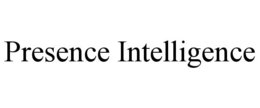
USPTO serial 99339535
PRESENCE INTELLIGENCE
Reviewed by CopyMark Law Group
- Filing date
- Status date
- Registration date
- —
- Examiner
- BROOKSHIRE, DAVID AARON
- Law office
- TMO LAW OFFICE 137
What this means
These status codes mean the trademark application is abandoned and no longer pending. Common reasons include missing an Office Action response (600), filing without a valid basis (602), express abandonment by the applicant (604), or failure to respond to an examiner's inquiry (618). Revival may be possible in limited circumstances. If abandonment was unintentional, consult counsel about a petition to revive. Otherwise file a new application if protection is still needed.
Need help with PRESENCE INTELLIGENCE?
If you own this trademark, we can monitor new filings and help with USPTO deadlines. If you do not, we can file a new U.S. application.
Owner
Attorney of record
The USPTO lists this attorney as the applicant's representative for correspondence on this application.
Jeremy Peter Green Eche
Jeremy Peter Green Eche JPG Legal254 36th StSuite B541Brooklyn, NY 11232Goods and services
| Class | Description | Status | First use |
|---|---|---|---|
| 009 | Acceleration sensors; Alarm sensors; Day and night vision systems primarily comprised of day and night sensors, day and night cameras, and monitors; Electric sensors; Electric or electronic sensors for crime detection; Electric, electronic, or electrochemical oxygen monitors and sensors for environmental use; Electrical sensor apparatus for sensing the presence or absence of individuals or objects by contact or pressure; Electronic proximity sensors and switches; Environmental monitoring system comprised of meters and sensors that measure pressure, humidity, temperature and includes alarm and reporting functions; Computer hardware and recorded software system for remotely monitoring environmental conditions and controlling devices within a building, facility, grounds, or designated spatial area; Gas sensors for measuring gas concentration; Hand-held device comprised of chemical and heat sensors for the detection of explosives; Humidity sensor with integrated digital and analog output circuitry used in automotive, appliance and light industrial applications to sense both relative humidity and temperature environmental conditions; Infrared sensors; LED position sensors; Light systems comprising light sensors and switches; Motion sensors for security lights; Optical sensors; Parts for anti-theft automotive alarms, namely, electronic sensors, remote control transmitters and receivers for remotely operating land vehicles; Photoelectric sensors; Pollutant sensors; Pressure sensors; Proximity sensors; Remote sensors for use in measuring thermal and infrared radiation energy waves; Sensors for determining position, velocity, acceleration and temperature; Sensors for the determination of temperatures, positions and distances; Temperature sensors; Timing sensors; Touchscreen sensors; Ultrasonic sensors; Vibration sensors; Computer software platforms, downloadable, for detecting, sensing, analyzing, and reporting the presence of individuals, controlling access to physical premises, recording video and audio of physical locations, deterring trespassers by sounding alarms, and contacting and coordinating with authorities; Computer hardware and recorded software systems for detecting, sensing, analyzing, and reporting the presence of individuals, controlling access to physical premises, recording video and audio of physical locations, deterring trespassers by sounding alarms, and contacting and coordinating with authorities | ACTIVE | — |
Related trademarks
CopyMark links this record to cited §2(d) serials, the owner's other marks, Nice classes, similar mark names, and recently changed USPTO applications.
Prosecution history
| Date | Code | Event | What it means |
|---|---|---|---|
| Sep 9, 2026 | MAB2 | ABANDONMENT NOTICE E-MAILED - FAILURE TO RESPOND | The trademark application was abandoned because a required response or document was not filed by the deadline — usually a missed Office Action response. The application is dead unless a petition to revive is granted within a limited time. |
| Sep 9, 2026 | ABN2 | ABANDONMENT - FAILURE TO RESPOND OR LATE RESPONSE | The trademark application was abandoned because a required response or document was not filed by the deadline — usually a missed Office Action response. The application is dead unless a petition to revive is granted within a limited time. |
| May 7, 2026 | GNFN | NOTIFICATION OF FINAL REFUSAL EMAILED | — |
| May 7, 2026 | GNFR | FINAL REFUSAL E-MAILED | A final Office Action (final refusal) means the examining attorney is maintaining at least one refusal and your options are narrower. You can file a response addressing the refusal, appeal to the Trademark Trial and Appeal Board, or let the application abandon. |
| May 7, 2026 | CNFR | FINAL REFUSAL WRITTEN | A final Office Action (final refusal) means the examining attorney is maintaining at least one refusal and your options are narrower. You can file a response addressing the refusal, appeal to the Trademark Trial and Appeal Board, or let the application abandon. |
| Apr 7, 2026 | TEME | TEAS/EMAIL CORRESPONDENCE ENTERED | — |
| Apr 7, 2026 | CRFA | CORRESPONDENCE RECEIVED IN LAW OFFICE | — |
| Apr 7, 2026 | TROA | TEAS RESPONSE TO OFFICE ACTION RECEIVED | This event means the applicant filed a response to a USPTO Office Action — typically arguments, amendments, or evidence addressing the examiner's objections. The USPTO will review the response and either allow the mark to proceed or issue another action. |
| Jan 8, 2026 | GNRN | NOTIFICATION OF NON-FINAL ACTION E-MAILED | A non-final Office Action means the USPTO examining attorney has raised at least one issue with your trademark application but has not made a final decision. You usually have three months to respond with arguments, amendments, or evidence. Missing the deadline can abandon the application. |
| Jan 8, 2026 | GNRT | NON-FINAL ACTION E-MAILED | A non-final Office Action means the USPTO examining attorney has raised at least one issue with your trademark application but has not made a final decision. You usually have three months to respond with arguments, amendments, or evidence. Missing the deadline can abandon the application. |
| Jan 8, 2026 | CNRT | NON-FINAL ACTION WRITTEN | A non-final Office Action means the USPTO examining attorney has raised at least one issue with your trademark application but has not made a final decision. You usually have three months to respond with arguments, amendments, or evidence. Missing the deadline can abandon the application. |
| Dec 30, 2025 | DOCK | ASSIGNED TO EXAMINER | — |
| Aug 15, 2025 | MAFR | APPLICATION FILING RECEIPT MAILED | — |
| Aug 15, 2025 | NWOS | NEW APPLICATION OFFICE SUPPLIED DATA ENTERED | — |
| Aug 15, 2025 | NWAP | NEW APPLICATION ENTERED | — |