
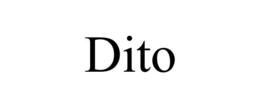
USPTO serial 99537171
DITO
Reviewed by CopyMark Law Group
- Filing date
- Status date
- Registration date
- —
- Examiner
- MEROLLA,MATTHEW A
- Law office
- TMO LAW OFFICE 130
What this means
These status codes mean the trademark application is abandoned and no longer pending. Common reasons include missing an Office Action response (600), filing without a valid basis (602), express abandonment by the applicant (604), or failure to respond to an examiner's inquiry (618). Revival may be possible in limited circumstances. If abandonment was unintentional, consult counsel about a petition to revive. Otherwise file a new application if protection is still needed.
Need help with DITO?
If you own this trademark, we can monitor new filings and help with USPTO deadlines. If you do not, we can file a new U.S. application.
Owner
Attorney of record
The USPTO lists this attorney as the applicant's representative for correspondence on this application.
Bryan H. Opalko
Bryan H. Opalko Buchanan Ingersoll & Rooney PC501 Grant StreetSuite 200Pittsburgh, PA 15219Goods and services
| Class | Description | Status | First use |
|---|---|---|---|
| 029 | Meat; Meat-based snack foods; Fish, not live; Fish burger patties; Fish balls; Fish sausages; Fish-based snack food; Preserved fish; Canned fish; Vegetables, tinned; Fruits, tinned; Meat, tinned; Fruit-based snack food; Vegetable-based snack food; Vegetables, preserved; Vegetable-based meat substitutes; Eggs; Milk; Lactic acid drinks; Oils for food; Jellies for food, other than confectionery; Prepared nuts; Dried edible mushrooms; Tofu | ACTIVE | — |
| 030 | Coffee; Tea; Tea-based beverages; Sugar; Candies; Honey; Confectionery made of sugar; Nut confectionery; Peanut confectionery; Almond confectionery; Bread; Pastries; Baozi; Jiaozi; Burritos; Freeze-dried dishes with the main ingredient being rice; Flatbread; Pancakes; Pies; Boxed lunches consisting primarily of rice; Boxed lunches consisting primarily of pasta; Cereal cookies; Processed cereals; Cereal bars; Noodles; Cereal-based snack food; Starch for food; Ice cream; Cooking salt; Soya sauce; Vinegar; Seasonings; Bicarbonate of soda for cooking purposes; White pepper; Black pepper; Cinnamon; Bay leaf powder; Edible spices; Food flavorings being non-essential oils | ACTIVE | — |
| 031 | Living trees; Raw oats; Unprocessed oats; Fresh oats; Flowers, natural; Live animals; Fruit, fresh; Nuts, unprocessed; Copra; Arrangements of fresh fruit; Peanuts, fresh; Vegetables, fresh; Plant seeds; Animal foodstuffs | ACTIVE | — |
| 032 | Beer; Beer wort; Non-alcoholic fruit extracts used in the preparation of beverages; Fruit juices; Vegetable juices; Water beverages; Non-alcoholic water-based beverages; Soft drinks; Energy drinks; Syrups for making whey-based beverages; Syrups for making non-alcoholic fruit-flavored beverages; Preparations for making non-alcoholic carbonated beverages; Preparations for making non-alcoholic fruit-flavored beverages; Preparations for making non-alcoholic fruit juice beverages; Syrups for making non-alcoholic fruit juice beverages | ACTIVE | — |
| 033 | Alcoholic extracts; Alcoholic beverages, except beer; Rice alcohol; Distilled alcoholic beverages; Distilled alcoholic fruit beverages; Baijiu; Aperitifs; Alcoholic cordials; Alcoholic cocktails; Spirits; Alcoholic essences; Wine; Alcoholic beverages containing fruit; Fruit extracts, alcoholic | ACTIVE | — |
Related trademarks
CopyMark links this record to cited §2(d) serials, the owner's other marks, Nice classes, similar mark names, and recently changed USPTO applications.
- Other trademarks owned by BIG SAILING INTERNATIONAL PTE. LTD.
- Other trademarks in Class 029
- Other trademarks in Class 030
- Other trademarks in Class 031
- Other trademarks in Class 032
- Other trademarks in Class 033
- Similar marks named DITO
- Prosecution event MAB2 explained
- Recently changed USPTO trademarks
- Recently filed trademarks
- Browse all trademark records
Prosecution history
| Date | Code | Event | What it means |
|---|---|---|---|
| Jul 28, 2026 | MAB2 | ABANDONMENT NOTICE E-MAILED - FAILURE TO RESPOND | The trademark application was abandoned because a required response or document was not filed by the deadline — usually a missed Office Action response. The application is dead unless a petition to revive is granted within a limited time. |
| Jul 28, 2026 | ABN2 | ABANDONMENT - FAILURE TO RESPOND OR LATE RESPONSE | The trademark application was abandoned because a required response or document was not filed by the deadline — usually a missed Office Action response. The application is dead unless a petition to revive is granted within a limited time. |
| Apr 13, 2026 | GNRN | NOTIFICATION OF NON-FINAL ACTION E-MAILED | A non-final Office Action means the USPTO examining attorney has raised at least one issue with your trademark application but has not made a final decision. You usually have three months to respond with arguments, amendments, or evidence. Missing the deadline can abandon the application. |
| Apr 13, 2026 | GNRT | NON-FINAL ACTION E-MAILED | A non-final Office Action means the USPTO examining attorney has raised at least one issue with your trademark application but has not made a final decision. You usually have three months to respond with arguments, amendments, or evidence. Missing the deadline can abandon the application. |
| Apr 13, 2026 | CNRT | NON-FINAL ACTION WRITTEN | A non-final Office Action means the USPTO examining attorney has raised at least one issue with your trademark application but has not made a final decision. You usually have three months to respond with arguments, amendments, or evidence. Missing the deadline can abandon the application. |
| Apr 13, 2026 | DOCK | ASSIGNED TO EXAMINER | — |
| Feb 12, 2026 | NWOS | NEW APPLICATION OFFICE SUPPLIED DATA ENTERED | — |
| Dec 9, 2025 | MAFR | APPLICATION FILING RECEIPT MAILED | — |
| Dec 9, 2025 | NWAP | NEW APPLICATION ENTERED | — |