
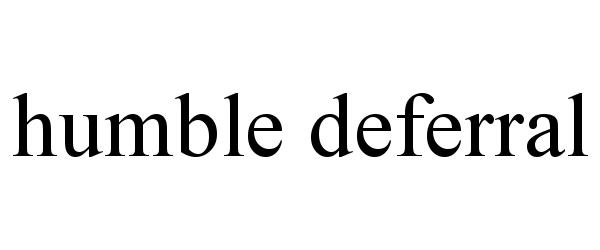
USPTO serial 99547955
HUMBLE DEFERRAL
Reviewed by CopyMark Law Group
- Filing date
- Status date
- Registration date
- —
- Examiner
- KON, ELISSA GARBER
- Law office
- PUBLICATION AND ISSUE SECTION
What this means
Status 686 means your mark is published in the USPTO Official Gazette and in the 30-day opposition period. If no opposition is filed, prosecution typically continues toward registration or a Notice of Allowance. Monitor the opposition window. After it closes, watch for Notice of Allowance (intent-to-use) or registration (use-based).
Need help with HUMBLE DEFERRAL?
If you own this trademark, we can monitor new filings and help with USPTO deadlines. If you do not, we can file a new U.S. application.
Owner
Fort Collins, CO, US
Fort Collins, CO, US
Attorney of record
The USPTO lists this attorney as the applicant's representative for correspondence on this application.
Joseph Diorio
Joseph Diorio Diorio IP Law Group, PLLC138 E 12300 SSte C #550Draper, UT 84020Goods and services
| Class | Description | Status | First use |
|---|---|---|---|
| 041 | Educational services, namely, conducting classes, seminars, conferences, workshops in the field of dementia care education, caregiver training, and respectful communication approaches for persons with dementia and distribution of course material in connection therewith; Educational services, namely, conducting classes, seminars, conferences, workshops for caregivers and care partners of persons with dementia in the field of dementia care education and respectful communication approaches for persons with dementia; Educational services, namely, conducting classes, seminars, conferences, workshops in the field of dementia care education, caregiver training, and respectful communication approaches for persons with dementia and distribution of training material in connection therewith; Training services in the field of dementia care and respectful communication techniques for caregivers and care partners of persons with dementia; Providing on-line digital publications in the nature of instructional guides, training manuals, and course handouts in the field of dementia care education and respectful communication techniques for caregivers and care partners of persons with dementia via the Internet; Providing online non-downloadable journals in the field of dementia care education and respectful communication techniques for caregivers and care partners of persons with dementia; Developing educational lesson plans for others in the field of dementia care education and respectful communication approaches for persons with dementia | ACTIVE | May 1, 2023 |
Related trademarks
CopyMark links this record to cited §2(d) serials, the owner's other marks, Nice classes, similar mark names, and recently changed USPTO applications.
Prosecution history
| Date | Code | Event | What it means |
|---|---|---|---|
| Sep 15, 2026 | NPUB | OFFICIAL GAZETTE PUBLICATION CONFIRMATION E-MAILED | — |
| Sep 15, 2026 | PUBO | PUBLISHED FOR OPPOSITION | Your mark was published in the USPTO Official Gazette for a 30-day opposition window. During that period, third parties who believe they would be harmed can file an opposition. If no opposition is filed, prosecution usually continues toward registration or a Notice of Allowance. |
| Sep 9, 2026 | NONP | NOTIFICATION OF NOTICE OF PUBLICATION E-MAILED | — |
| Aug 15, 2026 | CNSA | APPROVED FOR PUB - PRINCIPAL REGISTER | — |
| Aug 14, 2026 | TEME | TEAS/EMAIL CORRESPONDENCE ENTERED | — |
| Aug 14, 2026 | CRFA | CORRESPONDENCE RECEIVED IN LAW OFFICE | — |
| Aug 14, 2026 | ERFR | TEAS REQUEST FOR RECONSIDERATION RECEIVED | — |
| Jun 30, 2026 | GNFN | NOTIFICATION OF FINAL REFUSAL EMAILED | — |
| Jun 30, 2026 | GNFR | FINAL REFUSAL E-MAILED | A final Office Action (final refusal) means the examining attorney is maintaining at least one refusal and your options are narrower. You can file a response addressing the refusal, appeal to the Trademark Trial and Appeal Board, or let the application abandon. |
| Jun 30, 2026 | CNFR | FINAL REFUSAL WRITTEN | A final Office Action (final refusal) means the examining attorney is maintaining at least one refusal and your options are narrower. You can file a response addressing the refusal, appeal to the Trademark Trial and Appeal Board, or let the application abandon. |
| Jun 19, 2026 | TEME | TEAS/EMAIL CORRESPONDENCE ENTERED | — |
| Jun 19, 2026 | CRFA | CORRESPONDENCE RECEIVED IN LAW OFFICE | — |
| Jun 19, 2026 | TROA | TEAS RESPONSE TO OFFICE ACTION RECEIVED | This event means the applicant filed a response to a USPTO Office Action — typically arguments, amendments, or evidence addressing the examiner's objections. The USPTO will review the response and either allow the mark to proceed or issue another action. |
| Apr 20, 2026 | GNRN | NOTIFICATION OF NON-FINAL ACTION E-MAILED | A non-final Office Action means the USPTO examining attorney has raised at least one issue with your trademark application but has not made a final decision. You usually have three months to respond with arguments, amendments, or evidence. Missing the deadline can abandon the application. |
| Apr 20, 2026 | GNRT | NON-FINAL ACTION E-MAILED | A non-final Office Action means the USPTO examining attorney has raised at least one issue with your trademark application but has not made a final decision. You usually have three months to respond with arguments, amendments, or evidence. Missing the deadline can abandon the application. |
| Apr 20, 2026 | CNRT | NON-FINAL ACTION WRITTEN | A non-final Office Action means the USPTO examining attorney has raised at least one issue with your trademark application but has not made a final decision. You usually have three months to respond with arguments, amendments, or evidence. Missing the deadline can abandon the application. |
| Apr 17, 2026 | DOCK | ASSIGNED TO EXAMINER | — |
| Dec 15, 2025 | MAFR | APPLICATION FILING RECEIPT MAILED | — |
| Dec 15, 2025 | NWOS | NEW APPLICATION OFFICE SUPPLIED DATA ENTERED | — |
| Dec 15, 2025 | NWAP | NEW APPLICATION ENTERED | — |