
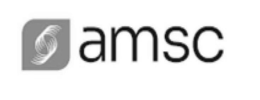
USPTO serial 99728352
AMSC
Reviewed by CopyMark Law Group
Status 645Office Action
- Filing date
- Status date
- Registration date
- —
- Examiner
- CASE, LEIGH CAROLINE
- Law office
- TMO LAW OFFICE 112
What this means
The USPTO has issued an Office Action on this application. A response is typically required before the deadline, or the application can be abandoned.
Need help with AMSC?
If you own this trademark, we can monitor new filings and help with USPTO deadlines. If you do not, we can file a new U.S. application.
Current trademark owner
Get help with this Office Action, set up monitoring, or talk with CopyMark.
Not the owner?
File a new U.S. trademark application, or speak with our attorneys.
Owner
Attorney of record
The USPTO lists this attorney as the applicant's representative for correspondence on this application.
Francelina M. Perdomo Klukosky
Francelina M. Perdomo Klukosky SAUL EWING LLP1270 Avenue of the Americas, Suite 2800New York, NY 10020United StatesGoods and services
| Class | Description | Status | First use |
|---|---|---|---|
| 007 | Custom power factor correction equipment, namely, electric motors, not for land vehicles. | ACTIVE | — |
| 009 | Superconductor electric and electrical wires; electrical power converters; high temperature superconductor power cables; superconductor electrical current conductors; electrical power storage and power quality equipment and systems, namely, voltage restorers used for utility voltage regulation; voltage restorers primarily used for voltage sag protection for commercial and industrial facilities or critical loads or both; electrical power quality equipment and systems, namely, electrical surge arresters, electric sensors, electric capacitors for use in transmission and distribution power grid applications; power conversion system comprised of power electronic converters, photovoltaic inverters, micro-computer hardware, electronic controllers for use with power converters, and embedded computers operating firmware and software for use therewith, all for use in solar and wind power plants; apparatus and instruments for conducting, switching, transforming, accumulating, regulating and controlling electricity, namely, electrical cables and electric capacitors; electric and electronic controls for wind turbines and components thereof; electrical power storage and power quality equipment and systems, namely, voltage restorers, primarily used for utility voltage regulation; electrical power equipment, namely, capacitor banks, harmonic filters, harmonic filter banks, surge suppressors, snubbers, and other custom power factor correction equipment, namely, electric circuits for providing volt-ampere reactive support, improving power factor, mitigating harmonic resonance, and protecting equipment from electrical disturbances; electrical power equipment, namely, power supply units for electrostatic precipitators; electrical reactors; electrical transformer and rectifier sets; electrical rectifiers, namely, silicon-controlled rectifier circuits; graphic rapper controls for controlling the sequencing and intensity of electrostatic precipitator cleaning devices; graphic voltage controllers for electrostatic precipitators transformer and rectifier controls for electrostatic precipitators; precipitator control and management systems; electrical components, namely, transformers, power supplies, and pollution control precipitator power supplies, rectifiers and reactors, microprocessor controls, and rapper controls to remove emissions; electronic components in the nature of transformers, transformer rectifiers, rectifiers, direct current rectifiers, power rectifiers, reactors, inductors, interphases; apparatus and instruments for conveying, distributing, transforming, storing, regulating or controlling electric current, namely, power transformers, distribution transformers, solar transformers, inductors, electrical inverters, electrical switches, electrical control panels, and electrical distribution panels. | ACTIVE | — |
Related trademarks
CopyMark links this record to cited §2(d) serials, the owner's other marks, Nice classes, similar mark names, and recently changed USPTO applications.
Prosecution history
| Date | Code | Event | What it means |
|---|---|---|---|
| Nov 7, 2026 | GNFN | NOTIFICATION OF FINAL REFUSAL EMAILED | — |
| Nov 7, 2026 | GNFR | FINAL REFUSAL E-MAILED | A final Office Action (final refusal) means the examining attorney is maintaining at least one refusal and your options are narrower. You can file a response addressing the refusal, appeal to the Trademark Trial and Appeal Board, or let the application abandon. |
| Nov 7, 2026 | CNFR | FINAL REFUSAL WRITTEN | A final Office Action (final refusal) means the examining attorney is maintaining at least one refusal and your options are narrower. You can file a response addressing the refusal, appeal to the Trademark Trial and Appeal Board, or let the application abandon. |
| Oct 7, 2026 | TEME | TEAS/EMAIL CORRESPONDENCE ENTERED | — |
| Oct 7, 2026 | CRFA | CORRESPONDENCE RECEIVED IN LAW OFFICE | — |
| Oct 7, 2026 | TROA | TEAS RESPONSE TO OFFICE ACTION RECEIVED | This event means the applicant filed a response to a USPTO Office Action — typically arguments, amendments, or evidence addressing the examiner's objections. The USPTO will review the response and either allow the mark to proceed or issue another action. |
| Jul 7, 2026 | GNRN | NOTIFICATION OF NON-FINAL ACTION E-MAILED | A non-final Office Action means the USPTO examining attorney has raised at least one issue with your trademark application but has not made a final decision. You usually have three months to respond with arguments, amendments, or evidence. Missing the deadline can abandon the application. |
| Jul 7, 2026 | GNRT | NON-FINAL ACTION E-MAILED | A non-final Office Action means the USPTO examining attorney has raised at least one issue with your trademark application but has not made a final decision. You usually have three months to respond with arguments, amendments, or evidence. Missing the deadline can abandon the application. |
| Jul 7, 2026 | CNRT | NON-FINAL ACTION WRITTEN | A non-final Office Action means the USPTO examining attorney has raised at least one issue with your trademark application but has not made a final decision. You usually have three months to respond with arguments, amendments, or evidence. Missing the deadline can abandon the application. |
| Jul 1, 2026 | DOCK | ASSIGNED TO EXAMINER | — |
| Jul 1, 2026 | MDSC | NOTICE OF DESIGN SEARCH CODE E-MAILED | — |
| Jul 1, 2026 | NWOS | NEW APPLICATION OFFICE SUPPLIED DATA ENTERED | — |
| Mar 27, 2026 | MAFR | APPLICATION FILING RECEIPT MAILED | — |
| Mar 27, 2026 | NWAP | NEW APPLICATION ENTERED | — |